THE ADVENTURE COLLECTIVE® · Independent discovery and booking for outdoor travel

Spend a day moving from the stairways and frescoes of Sigiriya to a Habarana village kitchen, then into the plains where elephants gather at Minneriya. This private car tour packs history, geology, and rural culture into a single, well-paced day.
Spend a day moving from the stairways and frescoes of Sigiriya to a Habarana village kitchen, then into the plains where elephants gather at Minneriya. This private car tour packs history, geology, and rural culture into a single, well-paced day.
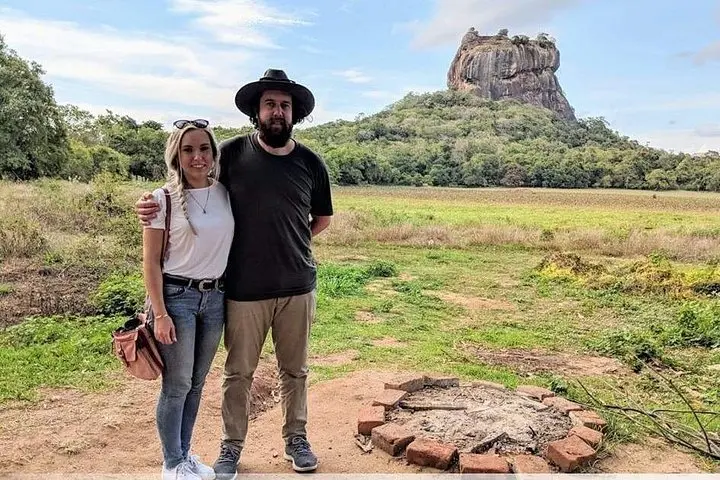
You arrive before the heat, the highway unspooling rice paddies and coconut palms until a lone, cantilevered column of rock appears—Sigiriya—rising from flat plains like a deliberate island of stone. The private car eases into Habarana; your guide opens the door and for a moment the morning is all humidity and birdsong, the kind that seems to make the rock itself stand taller.
Verified experiences and guided adventures in the surrounding area.
Operated by Travel with Lenin · Habarana, Central Province
You arrive before the heat, the highway unspooling rice paddies and coconut palms until a lone, cantilevered column of rock appears—Sigiriya—rising from flat plains like a deliberate island of stone. The private car eases into Habarana; your guide opens the door and for a moment the morning is all humidity and birdsong, the kind that seems to make the rock itself stand taller.
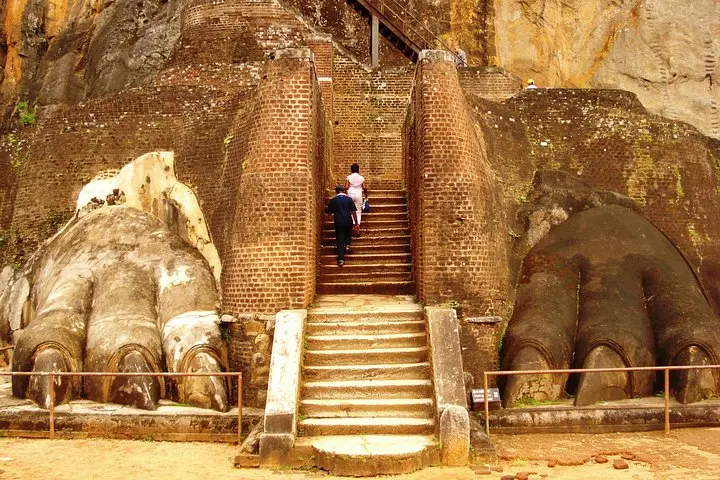
Climbing Sigiriya is both a physical and temporal shift. The first staircases thread through ruins and painted galleries, then whip you onto an iron walkway where the wind speaks and the horizon yawns. At the summit, the palace foundations lay out like a geometric plan of power, water gardens etched against the plain. The frescoes, preserved in sheltered pockets of the cliff, keep their composure: colors dulled but precise, figures frozen mid-gesture.
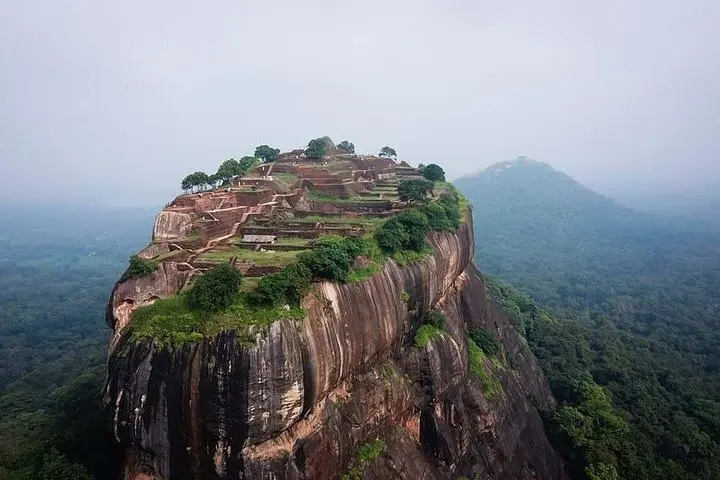
Sigiriya’s story is human-sized and theatrical. In the late 5th century AD King Kasyapa built his fortress-palace atop this 200-meter volcanic plug to assert rule and shelter against rivals. Geologically, the rock is the remnant of an ancient magma intrusion—hard, erosion-resistant, and stubborn—so it outlasted the sediment that once surrounded it.
Midday the tour slips into village life around Habarana. A short village walk and a cooking demonstration show rice, coconut, and spice working together—food as practical heritage. The nearby Minneriya National Park, in late afternoon, asserts a different mood: the reservoir calls, and with it comes the slow parade of Asian elephants that have made this dry-season congregation famous.
Practical edge: this is a long day but private transport means you control the tempo. The tour includes bottled water, a king coconut refreshment, and an air-conditioned vehicle, but wear solid shoes and carry sun protection. Climbing Sigiriya involves metal steps and narrow corridors; be prepared for short steep sections and crowds during peak hours.
Timing matters. Early starts cut the heat and the queues at Sigiriya. Late afternoons in Minneriya are when the elephants move toward the reservoir, and the light softens the plains. Respect local customs at religious sites: cover shoulders and knees when required, and follow signage around archaeological areas.
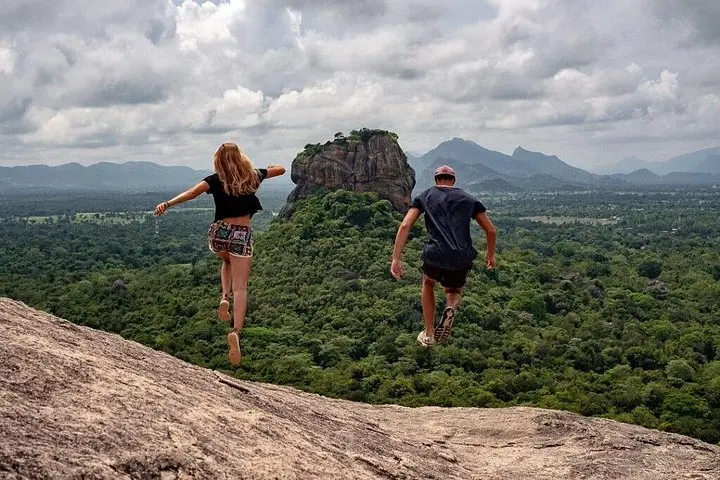
If you want a quieter photograph, ask the guide to swing by Pidurangala Rock for sunrise views of Sigiriya across the valley. And remember: wildlife is not a guarantee. Minneriya’s spectacle depends on season and water levels, so take it as part of the landscape’s rhythm rather than a promise.
This private day tour compresses history, rural culture, and wildlife into a single, deliberate circuit—efficient, informative, and built around a striking piece of Sri Lanka’s high plain.
This is a full-day private tour of about 12 hours by car or van; it typically includes transport, bottled water, a king coconut refreshment, and a local guide—entrance fees are usually not included unless stated.
The climb is moderately strenuous: expect steep steps, confined passages, and metal stairways; most visitors in average health can complete it in 45–90 minutes round-trip.
Elephants often gather around the reservoir during the dry season, but sightings depend on water levels and timing; late afternoon offers the best chance.
Basic restroom facilities and snack stalls are available near major sites; the village stop usually includes a cooking demonstration or light meal.
Yes, the tour offers pickup from Colombo, Negombo, and many hotels along the way—confirm your pickup point when booking.
The tour is private and generally suitable for families, but the Sigiriya ascent is not recommended for those with serious mobility or heart issues; check medical advisories before booking.
Travel with Lenin operates guided outdoor trips and adventures with an emphasis on safety, stewardship, and memorable experiences.
You arrive before the heat, the highway unspooling rice paddies and coconut palms until a lone, cantilevered column of rock appears—Sigiriya—rising from flat plains like a deliberate island of stone. The private car eases into Habarana; your guide opens the door and for a moment the morning is all humidity and birdsong, the kind that seems to make the rock itself stand taller.
You arrive before the heat, the highway unspooling rice paddies and coconut palms until a lone, cantilevered column of rock appears—Sigiriya—rising from flat plains like a deliberate island of stone. The private car eases into Habarana; your guide opens the door and for a moment the morning is all humidity and birdsong, the kind that seems to make the rock itself stand taller.
Climbing Sigiriya is both a physical and temporal shift. The first staircases thread through ruins and painted galleries, then whip you onto an iron walkway where the wind speaks and the horizon yawns. At the summit, the palace foundations lay out like a geometric plan of power, water gardens etched against the plain. The frescoes, preserved in sheltered pockets of the cliff, keep their composure: colors dulled but precise, figures frozen mid-gesture.
Sigiriya’s story is human-sized and theatrical. In the late 5th century AD King Kasyapa built his fortress-palace atop this 200-meter volcanic plug to assert rule and shelter against rivals. Geologically, the rock is the remnant of an ancient magma intrusion—hard, erosion-resistant, and stubborn—so it outlasted the sediment that once surrounded it.
Midday the tour slips into village life around Habarana. A short village walk and a cooking demonstration show rice, coconut, and spice working together—food as practical heritage. The nearby Minneriya National Park, in late afternoon, asserts a different mood: the reservoir calls, and with it comes the slow parade of Asian elephants that have made this dry-season congregation famous.
Practical edge: this is a long day but private transport means you control the tempo. The tour includes bottled water, a king coconut refreshment, and an air-conditioned vehicle, but wear solid shoes and carry sun protection. Climbing Sigiriya involves metal steps and narrow corridors; be prepared for short steep sections and crowds during peak hours.
Timing matters. Early starts cut the heat and the queues at Sigiriya. Late afternoons in Minneriya are when the elephants move toward the reservoir, and the light softens the plains. Respect local customs at religious sites: cover shoulders and knees when required, and follow signage around archaeological areas.
If you want a quieter photograph, ask the guide to swing by Pidurangala Rock for sunrise views of Sigiriya across the valley. And remember: wildlife is not a guarantee. Minneriya’s spectacle depends on season and water levels, so take it as part of the landscape’s rhythm rather than a promise.
This private day tour compresses history, rural culture, and wildlife into a single, deliberate circuit—efficient, informative, and built around a striking piece of Sri Lanka’s high plain.