THE ADVENTURE COLLECTIVE® · Independent discovery and booking for outdoor travel

Climb the 5th-century rock fortress of Sigiriya, trace frescoed walls and royal water gardens, then trade sandstone for savanna on a Kaudulla jeep safari where elephant herds gather at the reservoir. This one route pairs Sri Lanka’s grand history with close-up wildlife encounters and a hands-on village visit.
Climb the 5th-century rock fortress of Sigiriya, trace frescoed walls and royal water gardens, then trade sandstone for savanna on a Kaudulla jeep safari where elephant herds gather at the reservoir. This one route pairs Sri Lanka’s grand history with close-up wildlife encounters and a hands-on village visit.
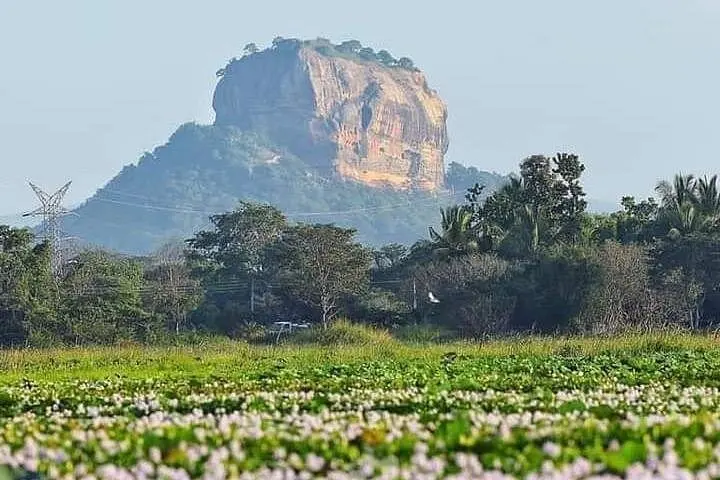
You step out of the van while dawn is still lifting off the plains and Sigiriya rises ahead—a raw, vertical crown of stone that seems to have pushed itself up through the flatlands and refused to be ignored. The path begins under a fringe of tamarind and jackfruit, then folds into a series of iron stairways and carved passageways that cling to the rock face. With each switchback the frescoes peer back through painted cheeks and time-worn pigments; the Mirror Wall still remembers the passersby of a thousand years.
Verified experiences and guided adventures in the surrounding area.
Operated by Harasara Tours · Sigiriya, Central Province
You step out of the van while dawn is still lifting off the plains and Sigiriya rises ahead—a raw, vertical crown of stone that seems to have pushed itself up through the flatlands and refused to be ignored. The path begins under a fringe of tamarind and jackfruit, then folds into a series of iron stairways and carved passageways that cling to the rock face. With each switchback the frescoes peer back through painted cheeks and time-worn pigments; the Mirror Wall still remembers the passersby of a thousand years.
Sigiriya is less a hill than a geological argument: a weathered column of Precambrian basement rock that became a strategic stronghold in the 5th century CE when King Kassapa turned this spire into a palace-fortress. The site combines practical hydraulics—water gardens and cisterns that irrigate and reflect—with ambitions of power. On clear days the summit throws open a panorama of paddy and scrub forest, small villages silvered by irrigation tanks, and the distant line of the Knuckles Range.
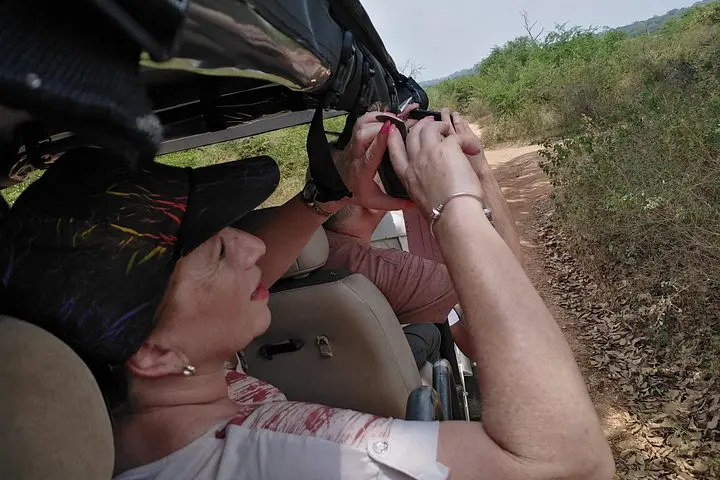
The itinerary pivots from culture to wild. At Kaudulla National Park the plains give way to scrub and a broad reservoir where elephants gather like weather returning—slow, deliberate, and unstoppable. The park’s dry-season draw is famous: matriarchs guide herds to shallow shoreline, while spotted deer and langurs keep to the fringes and birds punctuate the canopy.
Between rock and reserve, you get a measured immersion in village life: a bullock cart trundles along mud tracks, a reed boat glides across a still tank, and a shared village-style lunch—rice, curry, sambol—arrives with a kindness that feels like instruction in local tempo.
Practical edge: the Sigiriya climb gains roughly 200 meters of elevation and can take 45–90 minutes depending on fitness and crowds; there are narrow steel staircases and exposed sections where a steady head and sturdy shoes matter. Plan the rock for early morning to avoid heat and crowds. Safari windows—early morning and late afternoon—are when elephants are most active and the light is best for photography. Bring water, sun protection, and binoculars; on the jeep, listen to your guide and stay seated when the animals are nearby.
Logistics note: many operators include hotel pickup in the Western Province (4:00 a.m. starts are common for day trips), and lunches are typically local-style buffets. If you want quieter photo frames, ask about starting before sunrise or booking a private jeep for Kaudulla.
This route stitches together Sri Lanka’s layered history—royal aspiration, ancient engineering, living ecosystems—and serves it all with a practical itinerary that rewards anyone who arrives curious, prepared, and patient.
Yes—Sigiriya has a government entrance fee paid at the site; guides often advise carrying cash or card depending on the ticket office facilities.
Plan 45–90 minutes round-trip for the ascent and descent depending on fitness and how long you linger at the summit.
Dry months (roughly June–September) concentrate herds at water tanks; early morning and late afternoon drives are most productive.
Yes—families are welcome, but note narrow stair sections on Sigiriya and that infants should ride on laps in vehicles per operator policy.
Light, modest clothing suited to rural settings—covering shoulders and knees is respectful while keeping materials breathable for heat.
Yes—this product is offered as a private tour option, and private jeeps can improve flexibility for photography and wildlife viewing.
Harasara Tours operates guided outdoor trips and adventures with an emphasis on safety, stewardship, and memorable experiences.
You step out of the van while dawn is still lifting off the plains and Sigiriya rises ahead—a raw, vertical crown of stone that seems to have pushed itself up through the flatlands and refused to be ignored. The path begins under a fringe of tamarind and jackfruit, then folds into a series of iron stairways and carved passageways that cling to the rock face. With each switchback the frescoes peer back through painted cheeks and time-worn pigments; the Mirror Wall still remembers the passersby of a thousand years.
You step out of the van while dawn is still lifting off the plains and Sigiriya rises ahead—a raw, vertical crown of stone that seems to have pushed itself up through the flatlands and refused to be ignored. The path begins under a fringe of tamarind and jackfruit, then folds into a series of iron stairways and carved passageways that cling to the rock face. With each switchback the frescoes peer back through painted cheeks and time-worn pigments; the Mirror Wall still remembers the passersby of a thousand years.
Sigiriya is less a hill than a geological argument: a weathered column of Precambrian basement rock that became a strategic stronghold in the 5th century CE when King Kassapa turned this spire into a palace-fortress. The site combines practical hydraulics—water gardens and cisterns that irrigate and reflect—with ambitions of power. On clear days the summit throws open a panorama of paddy and scrub forest, small villages silvered by irrigation tanks, and the distant line of the Knuckles Range.
The itinerary pivots from culture to wild. At Kaudulla National Park the plains give way to scrub and a broad reservoir where elephants gather like weather returning—slow, deliberate, and unstoppable. The park’s dry-season draw is famous: matriarchs guide herds to shallow shoreline, while spotted deer and langurs keep to the fringes and birds punctuate the canopy.
Between rock and reserve, you get a measured immersion in village life: a bullock cart trundles along mud tracks, a reed boat glides across a still tank, and a shared village-style lunch—rice, curry, sambol—arrives with a kindness that feels like instruction in local tempo.
Practical edge: the Sigiriya climb gains roughly 200 meters of elevation and can take 45–90 minutes depending on fitness and crowds; there are narrow steel staircases and exposed sections where a steady head and sturdy shoes matter. Plan the rock for early morning to avoid heat and crowds. Safari windows—early morning and late afternoon—are when elephants are most active and the light is best for photography. Bring water, sun protection, and binoculars; on the jeep, listen to your guide and stay seated when the animals are nearby.
Logistics note: many operators include hotel pickup in the Western Province (4:00 a.m. starts are common for day trips), and lunches are typically local-style buffets. If you want quieter photo frames, ask about starting before sunrise or booking a private jeep for Kaudulla.
This route stitches together Sri Lanka’s layered history—royal aspiration, ancient engineering, living ecosystems—and serves it all with a practical itinerary that rewards anyone who arrives curious, prepared, and patient.