THE ADVENTURE COLLECTIVE® · Independent discovery and booking for outdoor travel

Catch sunrise atop the ancient Sigiriya rock and wander the painted halls of Dambulla’s cave temple on this private day trip from Bentota. The tour pairs a dramatic climb with intimate cultural sites and local cuisine—ideal for travelers who want history, views, and a paced, private experience.
Catch sunrise atop the ancient Sigiriya rock and wander the painted halls of Dambulla’s cave temple on this private day trip from Bentota. The tour pairs a dramatic climb with intimate cultural sites and local cuisine—ideal for travelers who want history, views, and a paced, private experience.
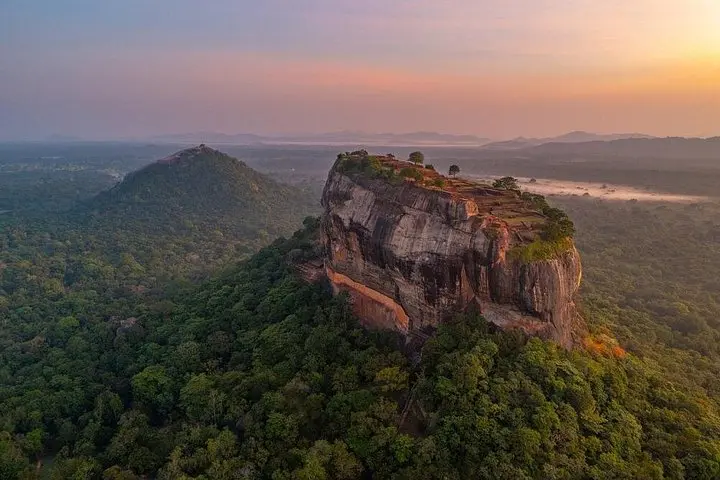
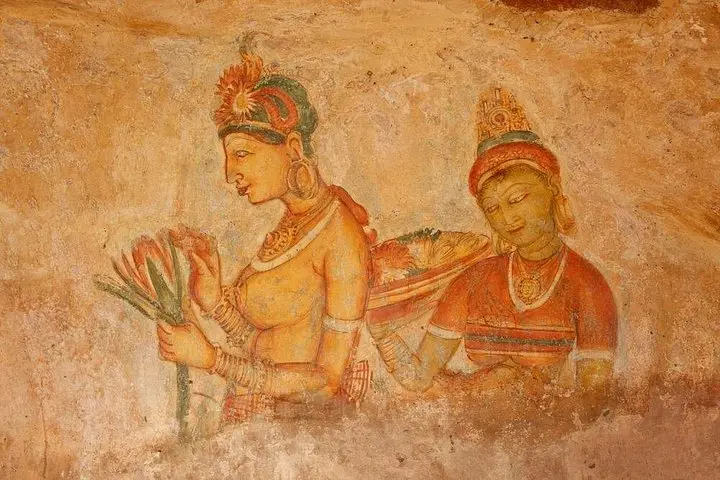
You begin before dawn, slipping through Sri Lanka's central plains as the highway unwinds toward a solitary, brutish outcrop that rises like a deliberate punctuation in the humid air. By the time the van pulls up to Sigiriya’s base the sky is thinning from black to steel; the jungle around you exhales and the rock seems to wake with you. The climb is part choreography, part archaeology—an iron stairway hugs the face, painted frescoes peer through niches, and the Mirror Wall still carries the scratched names of ancient visitors.
Verified experiences and guided adventures in the surrounding area.
Operated by Ayuboway Tours · Sigiriya, Central Province
You begin before dawn, slipping through Sri Lanka's central plains as the highway unwinds toward a solitary, brutish outcrop that rises like a deliberate punctuation in the humid air. By the time the van pulls up to Sigiriya’s base the sky is thinning from black to steel; the jungle around you exhales and the rock seems to wake with you. The climb is part choreography, part archaeology—an iron stairway hugs the face, painted frescoes peer through niches, and the Mirror Wall still carries the scratched names of ancient visitors.
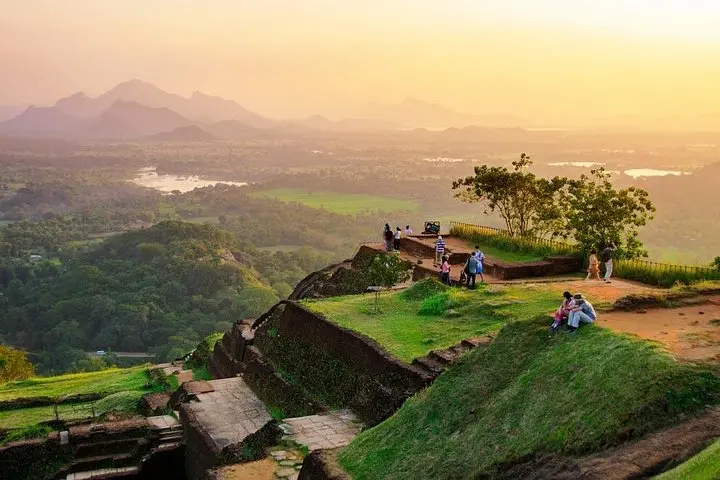
Sigiriya was King Kasyapa’s palace and fortress in the 5th century CE, an ambitious project that turned volcanic plugs into architecture—water gardens, moats, ramparts—that folded engineering into landscape. Geologically, the rock is a laterite and granite column left by differential erosion; it resists the plain the way a stubborn story resists forgetting. From the summit the plains fan out: paddy fields, ponds, mauve ranges. The sunrise here pushes color across the land, and wind finds its voice along the battlements.
Later, the tour heads to Dambulla’s Cave Temple, where five caverns cut into a separate limestone outcrop hold more than 150 Buddha statues and room-spanning murals. These caves have sheltered monks and pilgrims since the 1st century BCE; plaster and pigment preserve scenes that map religious life across two millennia. Monks still chant in corners; the air is a mix of incense, old stone, and the soft scrape of sandals.
This private day trip from the south coast packages history with practical comforts: an air-conditioned vehicle, bottled water, and traditional rice-and-curry meals served midway. The rhythm is deliberate—an early start, a pause for reflection at the summit, then quieter concentration among painted caves.
Practical guidance: climb steady—stairs are steep and sometimes crowded; aim for light, non-slip shoes and a headlamp if you arrive before dawn. Respect temple dress codes: shoulders and knees covered; shoes left at cave entrances. Bring insect repellent and a small towel for the humidity. If you’re sensitive to crowds choose weekdays; for photography, the golden window around sunrise up top is your best light.
Local operators emphasize conservation: avoid feeding macaques, stick to marked paths in the water gardens, and use provided bottled water sparingly—carry a refillable bottle to reduce plastic. For travelers focused on culture and geology alike, this loop between Sigiriya and Dambulla is a concentrated portrait of Sri Lanka’s layered past—where stone, water, and faith continue to shape the landscape and the people who move through it.
Expect a pre-dawn pickup to reach Sigiriya for sunrise; exact pickup time depends on your pickup location on the south coast.
Admission is not included by default—your operator can advise current ticket prices and handle payments on request.
The tour is private and adaptable, but the Sigiriya climb involves steep steps; it may be challenging for those with mobility issues.
Traditional Sri Lankan meals are included; notify the operator of dietary needs in advance so they can arrange alternatives.
The ascent typically takes 45–60 minutes depending on fitness and stops for photos; descent is quicker but still requires care.
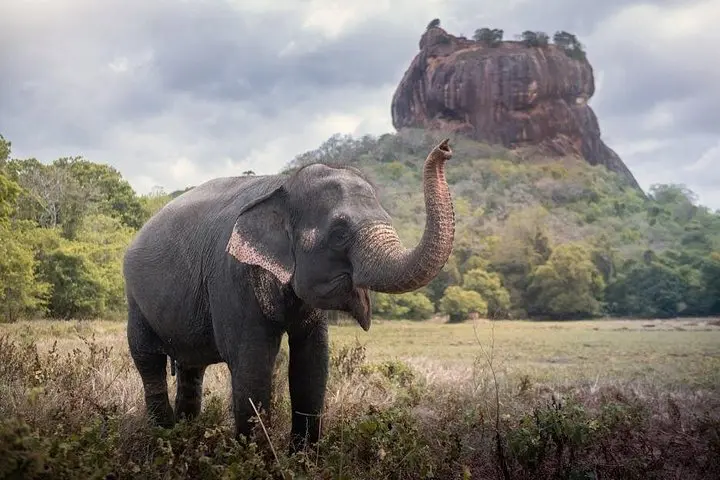
You may spot birds and macaques near Sigiriya and in roadside vegetation; larger wildlife is uncommon around the sites.
Ayuboway Tours operates guided outdoor trips and adventures with an emphasis on safety, stewardship, and memorable experiences.
You begin before dawn, slipping through Sri Lanka's central plains as the highway unwinds toward a solitary, brutish outcrop that rises like a deliberate punctuation in the humid air. By the time the van pulls up to Sigiriya’s base the sky is thinning from black to steel; the jungle around you exhales and the rock seems to wake with you. The climb is part choreography, part archaeology—an iron stairway hugs the face, painted frescoes peer through niches, and the Mirror Wall still carries the scratched names of ancient visitors.
You begin before dawn, slipping through Sri Lanka's central plains as the highway unwinds toward a solitary, brutish outcrop that rises like a deliberate punctuation in the humid air. By the time the van pulls up to Sigiriya’s base the sky is thinning from black to steel; the jungle around you exhales and the rock seems to wake with you. The climb is part choreography, part archaeology—an iron stairway hugs the face, painted frescoes peer through niches, and the Mirror Wall still carries the scratched names of ancient visitors.
Sigiriya was King Kasyapa’s palace and fortress in the 5th century CE, an ambitious project that turned volcanic plugs into architecture—water gardens, moats, ramparts—that folded engineering into landscape. Geologically, the rock is a laterite and granite column left by differential erosion; it resists the plain the way a stubborn story resists forgetting. From the summit the plains fan out: paddy fields, ponds, mauve ranges. The sunrise here pushes color across the land, and wind finds its voice along the battlements.
Later, the tour heads to Dambulla’s Cave Temple, where five caverns cut into a separate limestone outcrop hold more than 150 Buddha statues and room-spanning murals. These caves have sheltered monks and pilgrims since the 1st century BCE; plaster and pigment preserve scenes that map religious life across two millennia. Monks still chant in corners; the air is a mix of incense, old stone, and the soft scrape of sandals.
This private day trip from the south coast packages history with practical comforts: an air-conditioned vehicle, bottled water, and traditional rice-and-curry meals served midway. The rhythm is deliberate—an early start, a pause for reflection at the summit, then quieter concentration among painted caves.
Practical guidance: climb steady—stairs are steep and sometimes crowded; aim for light, non-slip shoes and a headlamp if you arrive before dawn. Respect temple dress codes: shoulders and knees covered; shoes left at cave entrances. Bring insect repellent and a small towel for the humidity. If you’re sensitive to crowds choose weekdays; for photography, the golden window around sunrise up top is your best light.
Local operators emphasize conservation: avoid feeding macaques, stick to marked paths in the water gardens, and use provided bottled water sparingly—carry a refillable bottle to reduce plastic. For travelers focused on culture and geology alike, this loop between Sigiriya and Dambulla is a concentrated portrait of Sri Lanka’s layered past—where stone, water, and faith continue to shape the landscape and the people who move through it.