THE ADVENTURE COLLECTIVE® · Independent discovery and booking for outdoor travel

Leave Nouméa for a seven‑hour water‑taxi to Signal Island, a 244‑hectare coral cay where snorkelers can spot green turtles, colorful reef fish and a quiet white‑sand shore. This is a self‑guided snorkeling day best suited to confident swimmers.
Leave Nouméa for a seven‑hour water‑taxi to Signal Island, a 244‑hectare coral cay where snorkelers can spot green turtles, colorful reef fish and a quiet white‑sand shore. This is a self‑guided snorkeling day best suited to confident swimmers.
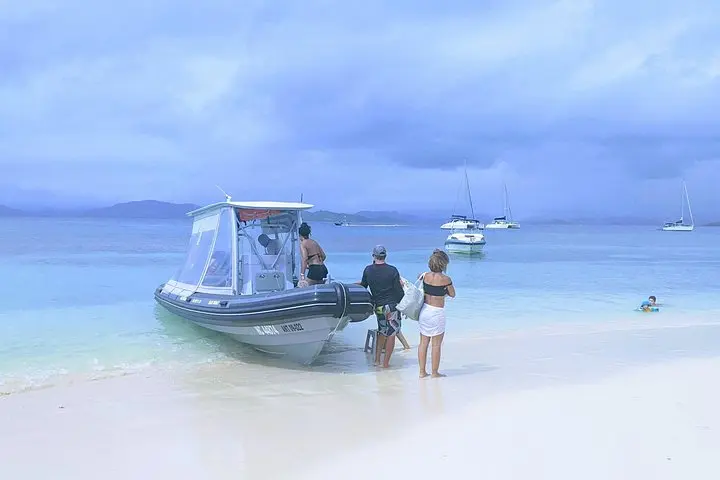
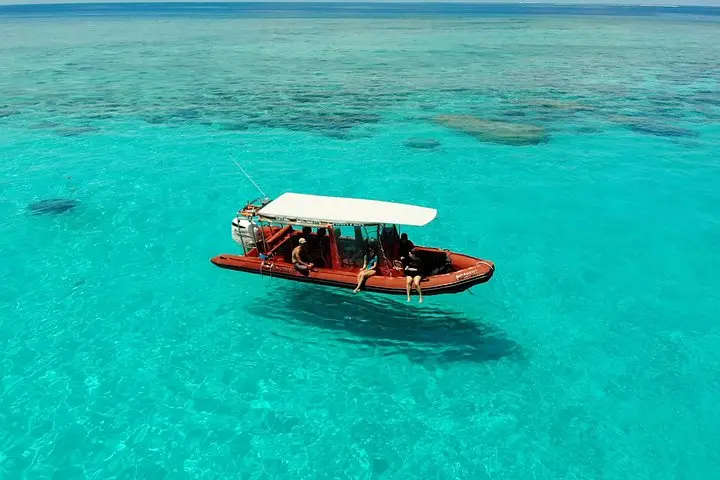
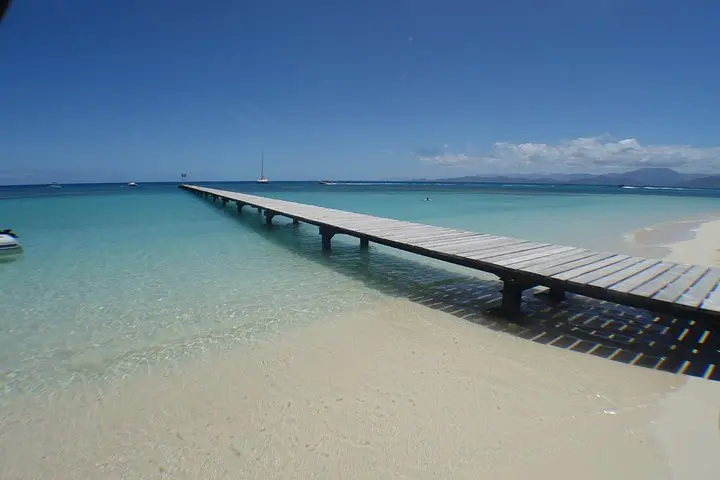
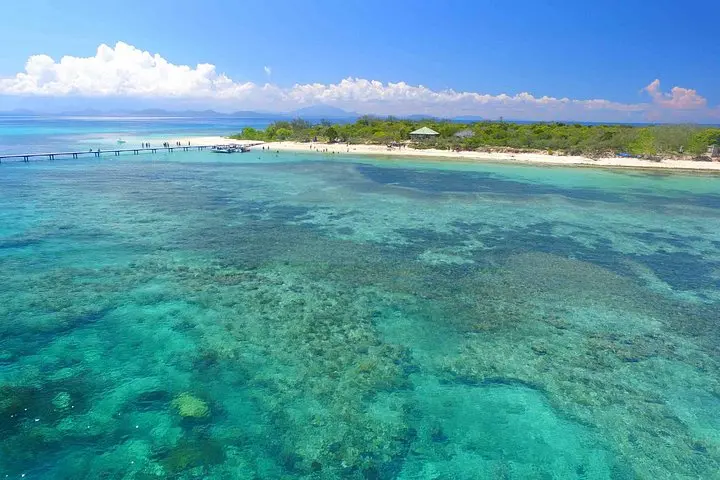
A soft swell rocks the covered water taxi as Nouméa slips astern and the blue widens into the southern lagoon. Thirty minutes later a low coral cay rises: white sand, scrubby pandanus and a ring of reef that hums with life. Signal Island (Île du Signal) is big enough to feel wild—244 hectares of cay with roughly 13.5 hectares of surrounding reef—and the day unfolds around the water: snorkeling, beach time, and a short historical trail.
Verified experiences and guided adventures in the surrounding area.
Operated by Dalocean Charter - Day Tours · Nouméa, South Province
A soft swell rocks the covered water taxi as Nouméa slips astern and the blue widens into the southern lagoon. Thirty minutes later a low coral cay rises: white sand, scrubby pandanus and a ring of reef that hums with life. Signal Island (Île du Signal) is big enough to feel wild—244 hectares of cay with roughly 13.5 hectares of surrounding reef—and the day unfolds around the water: snorkeling, beach time, and a short historical trail.
Geology here is blunt and visible—living coral grows out from a raised coral platform, dropping quickly to patch reefs that host parrotfish, wrasse and the turtles that visit shallow flats. French and Kanak histories overlap in Nouméa’s lagoon use; Signal Island has been a navigational marker since colonial times and remains an informal refuge for seabirds and marine life.
Practicalities shape the experience: departures leave Port Brunelet (Gate E) in the morning and return late afternoon for a roughly seven-hour excursion. This is a water-taxi day, not a guided snorkeling lesson—skippers give safety briefings but you snorkel under your own power. The boat to the island is an inflatable-to-rigid ride that can be bumpy; the tour recommends competent swimmers under 70 years old. Bring reef-safe sunscreen, a well-fitting mask, water shoes and a dry bag for phones.
Timing matters—calmer mornings and early afternoons improve visibility and turtle encounters. Respect the reef: no touching coral or chasing turtles. With basic preparation, the day pairs straightforward logistics with some of the lagoon’s best shallow-water wildlife viewing.
No—turtles are wild and sightings depend on season, tide and luck; mornings and calmer seas improve your chances.
No; the skipper provides safety instructions but this is a self‑guided snorkel outing—participants should be confident swimmers.
The operator advises participants be under 70 years old and in good physical health; children must be accompanied by an adult.
Food and drinks are not included—bring water and snacks in a dry bag, but pack out any trash and avoid glass containers.
Dalocean Charter - Day Tours operates guided outdoor trips and adventures with an emphasis on safety, stewardship, and memorable experiences.
A soft swell rocks the covered water taxi as Nouméa slips astern and the blue widens into the southern lagoon. Thirty minutes later a low coral cay rises: white sand, scrubby pandanus and a ring of reef that hums with life. Signal Island (Île du Signal) is big enough to feel wild—244 hectares of cay with roughly 13.5 hectares of surrounding reef—and the day unfolds around the water: snorkeling, beach time, and a short historical trail.
A soft swell rocks the covered water taxi as Nouméa slips astern and the blue widens into the southern lagoon. Thirty minutes later a low coral cay rises: white sand, scrubby pandanus and a ring of reef that hums with life. Signal Island (Île du Signal) is big enough to feel wild—244 hectares of cay with roughly 13.5 hectares of surrounding reef—and the day unfolds around the water: snorkeling, beach time, and a short historical trail.
Geology here is blunt and visible—living coral grows out from a raised coral platform, dropping quickly to patch reefs that host parrotfish, wrasse and the turtles that visit shallow flats. French and Kanak histories overlap in Nouméa’s lagoon use; Signal Island has been a navigational marker since colonial times and remains an informal refuge for seabirds and marine life.
Practicalities shape the experience: departures leave Port Brunelet (Gate E) in the morning and return late afternoon for a roughly seven-hour excursion. This is a water-taxi day, not a guided snorkeling lesson—skippers give safety briefings but you snorkel under your own power. The boat to the island is an inflatable-to-rigid ride that can be bumpy; the tour recommends competent swimmers under 70 years old. Bring reef-safe sunscreen, a well-fitting mask, water shoes and a dry bag for phones.
Timing matters—calmer mornings and early afternoons improve visibility and turtle encounters. Respect the reef: no touching coral or chasing turtles. With basic preparation, the day pairs straightforward logistics with some of the lagoon’s best shallow-water wildlife viewing.