THE ADVENTURE COLLECTIVE® · Independent discovery and booking for outdoor travel

A vehicle-led, 7-night circuit through Darjeeling and Sikkim that pairs heritage Toy Train rides, tea-estate tours and monastery visits with sweeping Himalayan views. Ideal for travelers who want cultural depth with minimal trekking but maximum scenery.
A vehicle-led, 7-night circuit through Darjeeling and Sikkim that pairs heritage Toy Train rides, tea-estate tours and monastery visits with sweeping Himalayan views. Ideal for travelers who want cultural depth with minimal trekking but maximum scenery.
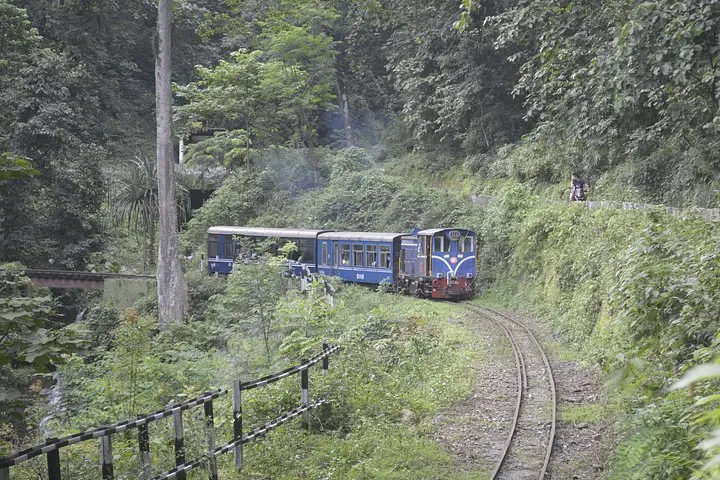
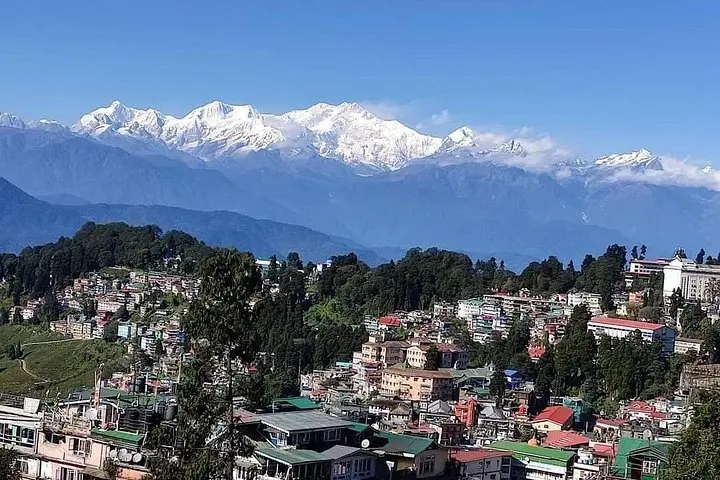
Before dawn on Tiger Hill, a thin blue light slides across the teeth of the Himalaya and the town of Darjeeling wakes with the smell of boiling tea and diesel from the heritage Toy Train. The tour moves at that human pace—early mornings for sunrises, easy drives across ridgelines, and afternoons in monasteries and tea gardens where the air tastes faintly of earth and leaf.
Verified experiences and guided adventures in the surrounding area.
Operated by I Am Himalaya · Darjeeling, West Bengal
Before dawn on Tiger Hill, a thin blue light slides across the teeth of the Himalaya and the town of Darjeeling wakes with the smell of boiling tea and diesel from the heritage Toy Train. The tour moves at that human pace—early mornings for sunrises, easy drives across ridgelines, and afternoons in monasteries and tea gardens where the air tastes faintly of earth and leaf.
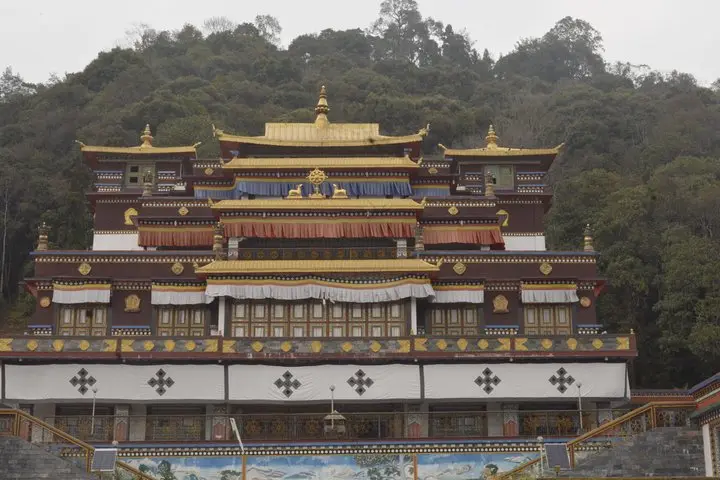
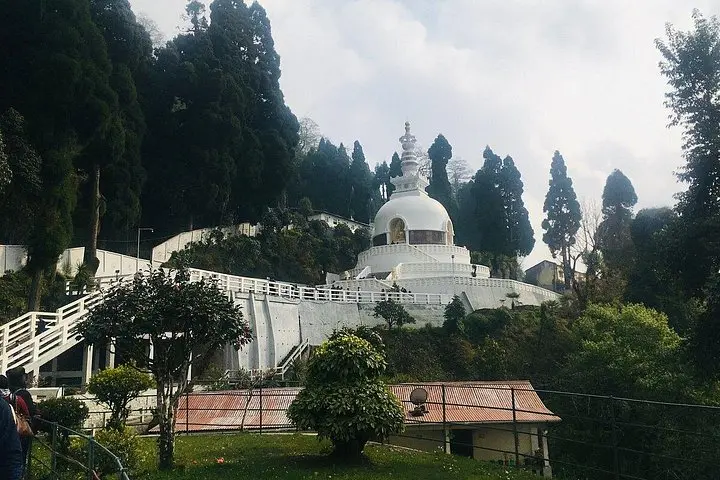
Geology here is young and restless: steep folded ranges of the Lesser Himalaya, river-cut valleys, and moraines that define the roadways. Culturally the route stitches Nepali, Tibetan and British colonial chapters—steam engines that climbed hill roads a century ago, Buddhist monasteries like Rumtek and Pemayangtse, and tea estates where clonal Chinese bushes are still plucked by hand.
Expect mostly road travel with short walks, a 2–3 hour heritage train ride to Ghum, visits to Himalayan Zoological Park and short monastery circuits. Logistics matter: foreign nationals need Inner Line Permits for Sikkim; drives between towns take 3–6 hours depending on entry point and border formalities.
Practical guidance: travel light, plan early-morning starts for clear views, carry cash as ATMs can be intermittent outside major towns, and budget time for altitude adjustment—Darjeeling sits around 2,000 m and Pelling/Gangtok higher. The program is accessible to most fitness levels but includes unpaved viewpoints, steep monastery steps, and optional paragliding in Gangtok. Conservation-wise, stick to marked paths, avoid single-use plastics in tea gardens and respect monastery etiquette—remove shoes and keep voices low.
Yes—foreign nationals must obtain an Inner Line Permit to enter Sikkim; the tour operator typically arranges this but you must have passport and visa details ready.
Not always; the heritage steam service runs subject to availability and scheduling—diesel services operate as backups but the package includes Toy Train tickets as described.
Paragliding in Gangtok is optional and billed separately; availability depends on weather and operator schedules on the day of flying.
The program lists wheelchair-accessible transport and surfaces, but some viewpoints and older monasteries may have steps; confirm specific accessibility needs with the operator before booking.
I Am Himalaya operates guided outdoor trips and adventures with an emphasis on safety, stewardship, and memorable experiences.
Before dawn on Tiger Hill, a thin blue light slides across the teeth of the Himalaya and the town of Darjeeling wakes with the smell of boiling tea and diesel from the heritage Toy Train. The tour moves at that human pace—early mornings for sunrises, easy drives across ridgelines, and afternoons in monasteries and tea gardens where the air tastes faintly of earth and leaf.
Before dawn on Tiger Hill, a thin blue light slides across the teeth of the Himalaya and the town of Darjeeling wakes with the smell of boiling tea and diesel from the heritage Toy Train. The tour moves at that human pace—early mornings for sunrises, easy drives across ridgelines, and afternoons in monasteries and tea gardens where the air tastes faintly of earth and leaf.
Geology here is young and restless: steep folded ranges of the Lesser Himalaya, river-cut valleys, and moraines that define the roadways. Culturally the route stitches Nepali, Tibetan and British colonial chapters—steam engines that climbed hill roads a century ago, Buddhist monasteries like Rumtek and Pemayangtse, and tea estates where clonal Chinese bushes are still plucked by hand.
Expect mostly road travel with short walks, a 2–3 hour heritage train ride to Ghum, visits to Himalayan Zoological Park and short monastery circuits. Logistics matter: foreign nationals need Inner Line Permits for Sikkim; drives between towns take 3–6 hours depending on entry point and border formalities.
Practical guidance: travel light, plan early-morning starts for clear views, carry cash as ATMs can be intermittent outside major towns, and budget time for altitude adjustment—Darjeeling sits around 2,000 m and Pelling/Gangtok higher. The program is accessible to most fitness levels but includes unpaved viewpoints, steep monastery steps, and optional paragliding in Gangtok. Conservation-wise, stick to marked paths, avoid single-use plastics in tea gardens and respect monastery etiquette—remove shoes and keep voices low.