THE ADVENTURE COLLECTIVE® · Independent discovery and booking for outdoor travel

Drift through papyrus-lined channels on a traditional mokoro and watch the Okavango Delta reveal itself in bird calls, crocodile-sunned pools and quiet island walks. This full-day trip from Maun blends gentle canoeing with a guided bushwalk and shaded picnic lunch.
Drift through papyrus-lined channels on a traditional mokoro and watch the Okavango Delta reveal itself in bird calls, crocodile-sunned pools and quiet island walks. This full-day trip from Maun blends gentle canoeing with a guided bushwalk and shaded picnic lunch.
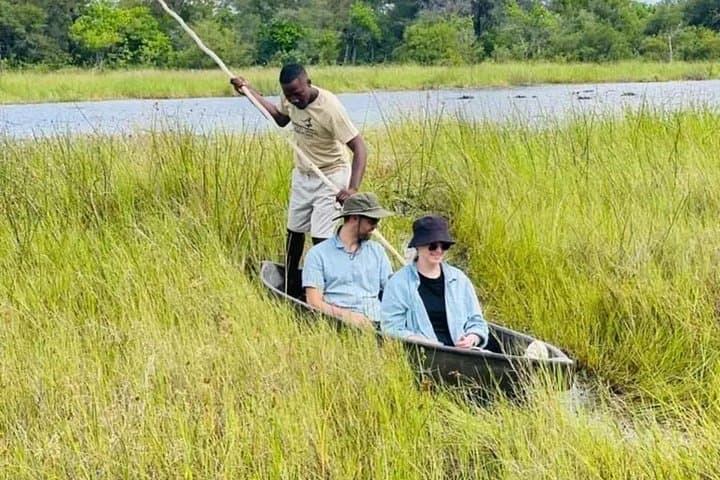
Morning light slices across papyrus and hippo-worn channels as a mokoro slides free of the shallows. Visitors meet their guide in Maun before a short drive to the Morutsa mokoro station; moments later a poler sets the nkashi athwart the muddy bottom and the boat glides into a world measured by birdsong and the gentle pulse of water.
Verified experiences and guided adventures in the surrounding area.
Operated by RENNS EXCURSIONS · Maun, North-West District
Morning light slices across papyrus and hippo-worn channels as a mokoro slides free of the shallows. Visitors meet their guide in Maun before a short drive to the Morutsa mokoro station; moments later a poler sets the nkashi athwart the muddy bottom and the boat glides into a world measured by birdsong and the gentle pulse of water.
The Okavango Delta is an inland delta fed from Angolan highlands, a seasonal flood that fans across the Kalahari and creates channels, islands and reed beds. UNESCO-recognized and one of Africa’s natural wonders, the delta supports elephant herds, sitatunga and the rare painted reed frog. Mokoro are traditional dugouts—today often fiberglass for conservation—piloted by local guides whose knowledge of currents, bird calls and safe channels is practical and precise.
A typical day trip is eight hours: an early pickup in Maun, a one-hour drive to Morutsa, mokoro cruising through narrow waterways, a guided bush walk on a dry island and a shaded picnic lunch before return. Expect close but careful encounters with wildlife; crocodiles and hippos linger in deeper channels while kingfishers and jacanas stake out the reeds.
Practicalities matter: wear quick-dry clothing, a wide-brim hat and a light waterproof layer; keep movement slow when boarding and disembarking. Photography calls for a zoom and a neck strap; binoculars help with bird identification. Respect the polers’ instructions, carry out any litter and plan this trip for a dry, stable footing on the island walk. The mokoro trip is low-impact, intimate and quietly revealing—an efficient way to read the delta by water.
The full experience is approximately eight hours including pickup from Maun, transfer to the mokoro station, cruising, a short guided island walk and picnic lunch.
Guides understand local behavior and choose channels to minimize risk; remain seated and follow instructions—do not approach wildlife on foot near water without the guide.
Historically carved from tree trunks, many mokoros today are fiberglass to reduce pressure on local hardwoods and for durability.
This trip is suitable for children with good balance, but it is not recommended for pregnant travelers or those with serious back or heart conditions; check operator restrictions when booking.
RENNS EXCURSIONS operates guided outdoor trips and adventures with an emphasis on safety, stewardship, and memorable experiences.

Morning light slices across papyrus and hippo-worn channels as a mokoro slides free of the shallows. Visitors meet their guide in Maun before a short drive to the Morutsa mokoro station; moments later a poler sets the nkashi athwart the muddy bottom and the boat glides into a world measured by birdsong and the gentle pulse of water.
Morning light slices across papyrus and hippo-worn channels as a mokoro slides free of the shallows. Visitors meet their guide in Maun before a short drive to the Morutsa mokoro station; moments later a poler sets the nkashi athwart the muddy bottom and the boat glides into a world measured by birdsong and the gentle pulse of water.
The Okavango Delta is an inland delta fed from Angolan highlands, a seasonal flood that fans across the Kalahari and creates channels, islands and reed beds. UNESCO-recognized and one of Africa’s natural wonders, the delta supports elephant herds, sitatunga and the rare painted reed frog. Mokoro are traditional dugouts—today often fiberglass for conservation—piloted by local guides whose knowledge of currents, bird calls and safe channels is practical and precise.
A typical day trip is eight hours: an early pickup in Maun, a one-hour drive to Morutsa, mokoro cruising through narrow waterways, a guided bush walk on a dry island and a shaded picnic lunch before return. Expect close but careful encounters with wildlife; crocodiles and hippos linger in deeper channels while kingfishers and jacanas stake out the reeds.
Practicalities matter: wear quick-dry clothing, a wide-brim hat and a light waterproof layer; keep movement slow when boarding and disembarking. Photography calls for a zoom and a neck strap; binoculars help with bird identification. Respect the polers’ instructions, carry out any litter and plan this trip for a dry, stable footing on the island walk. The mokoro trip is low-impact, intimate and quietly revealing—an efficient way to read the delta by water.