THE ADVENTURE COLLECTIVE® · Independent discovery and booking for outdoor travel

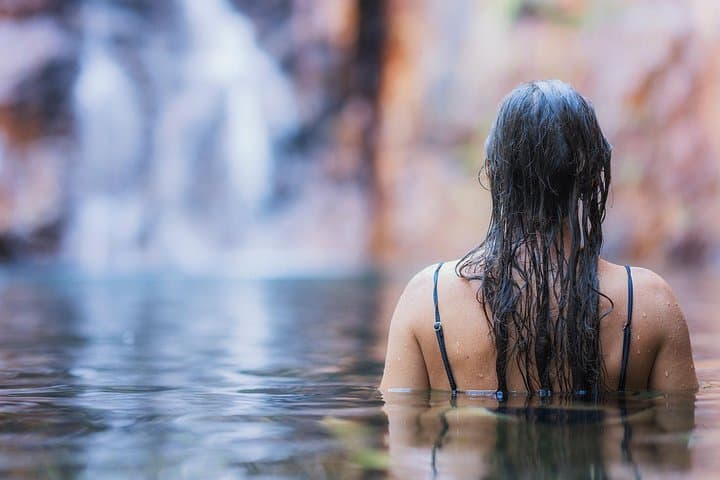
Glide silently into lily‑lined lagoons and narrow Ord River creeks aboard a quiet electric skiff. Small groups, local guides and options to disembark for rock art and swims make this a flexible nature experience from Kununurra.
Glide silently into lily‑lined lagoons and narrow Ord River creeks aboard a quiet electric skiff. Small groups, local guides and options to disembark for rock art and swims make this a flexible nature experience from Kununurra.
Dawn lifts off the horizon and the Ord River slides past like a cool, deliberate hand guiding the boat. On Silent Tours’ low-profile electric skiff you’ll glide into lily‑fringed lagoons and narrow creeks where motor noise is gone and the river’s own life steps forward.
Verified experiences and guided adventures in the surrounding area.
Operated by Silent Tours Kununurra · Kununurra, Western Australia
Dawn lifts off the horizon and the Ord River slides past like a cool, deliberate hand guiding the boat. On Silent Tours’ low-profile electric skiff you’ll glide into lily‑fringed lagoons and narrow creeks where motor noise is gone and the river’s own life steps forward.
This stretch of the Ord—reshaped after the 1963 Diversion Dam—holds sandstone outcrops, sculpted river red gums and rock art sites such as Elephant Rock (Sleeping Buddha/Thethebeleng) that connect to the Miriwoong people’s stories. Geologically the river carves through late Proterozoic sandstone and Ord Basin sediments, producing shallow lagoons and steep-sided gorges upstream at Carlton Gorge. Culturally, itinerant cattle and irrigation history sit alongside strong Indigenous ties to country; guides from Kununurra often point out cultural sites and seasonal flows that regulate fish and bird cycles.
Expect birdlife in the reeds—ospreys, kingfishers, egrets—and the occasional turtle or water monitor sunning on a log; crocodiles are present in the region, and a knowledgeable local guide manages risk and route. Small groups (max four) allow disembarking to view rock art or move into narrow side channels for photography.
Practically: tours run 2–5 hours and can be tailored; soft sunscreen, a wide‑brim hat and steady footwear make boarding easier. Morning light is best for bird and rock art photography; late‑afternoon cruises catch low sun across Lily Lagoon. Bring water, a camera and patience—the river rewards slow attention.
Tours are private with a maximum of four passengers, allowing flexibility and quieter passage into small creeks.
Yes—infants must sit on laps; basic balance and agility are required for boarding small boats.
Saltwater crocodiles are present in the region; the guide selects routes to minimize risk and follows local safety protocols.
Yes—sites like Elephant Rock can be visited with a short walk when conditions and timing allow, as noted by your guide.
Silent Tours Kununurra operates guided outdoor trips and adventures with an emphasis on safety, stewardship, and memorable experiences.
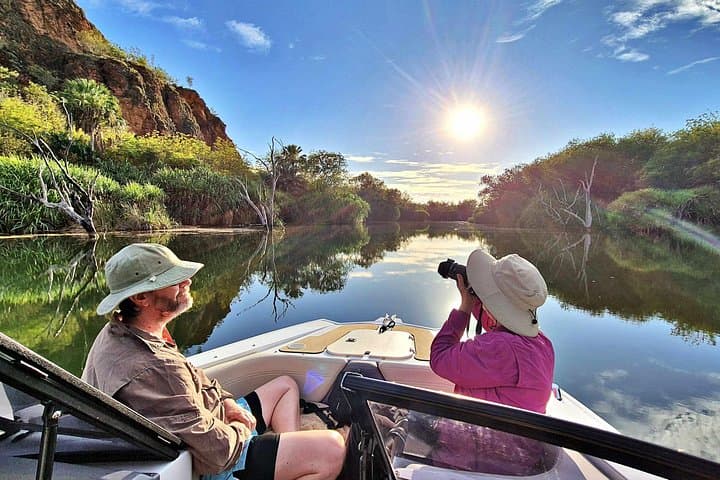
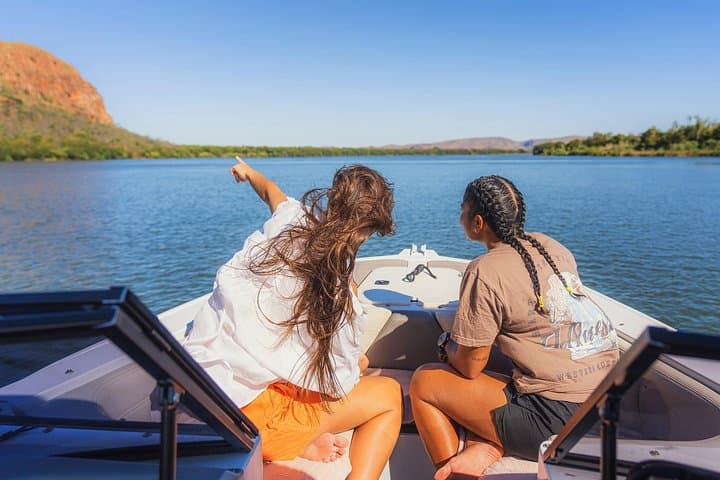
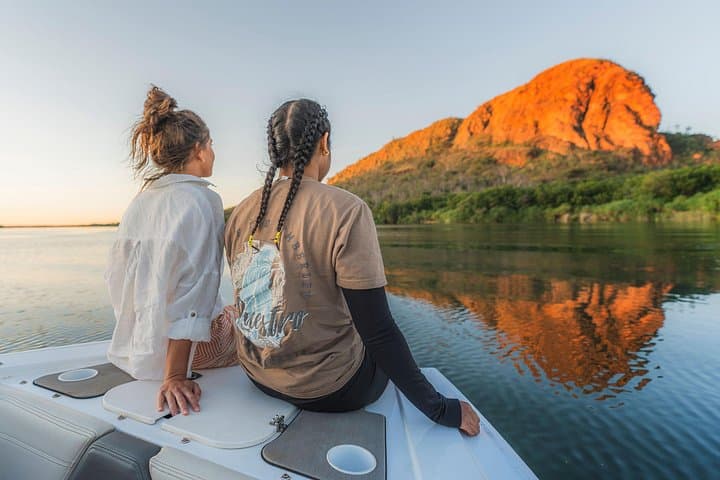
Dawn lifts off the horizon and the Ord River slides past like a cool, deliberate hand guiding the boat. On Silent Tours’ low-profile electric skiff you’ll glide into lily‑fringed lagoons and narrow creeks where motor noise is gone and the river’s own life steps forward.
Dawn lifts off the horizon and the Ord River slides past like a cool, deliberate hand guiding the boat. On Silent Tours’ low-profile electric skiff you’ll glide into lily‑fringed lagoons and narrow creeks where motor noise is gone and the river’s own life steps forward.
This stretch of the Ord—reshaped after the 1963 Diversion Dam—holds sandstone outcrops, sculpted river red gums and rock art sites such as Elephant Rock (Sleeping Buddha/Thethebeleng) that connect to the Miriwoong people’s stories. Geologically the river carves through late Proterozoic sandstone and Ord Basin sediments, producing shallow lagoons and steep-sided gorges upstream at Carlton Gorge. Culturally, itinerant cattle and irrigation history sit alongside strong Indigenous ties to country; guides from Kununurra often point out cultural sites and seasonal flows that regulate fish and bird cycles.
Expect birdlife in the reeds—ospreys, kingfishers, egrets—and the occasional turtle or water monitor sunning on a log; crocodiles are present in the region, and a knowledgeable local guide manages risk and route. Small groups (max four) allow disembarking to view rock art or move into narrow side channels for photography.
Practically: tours run 2–5 hours and can be tailored; soft sunscreen, a wide‑brim hat and steady footwear make boarding easier. Morning light is best for bird and rock art photography; late‑afternoon cruises catch low sun across Lily Lagoon. Bring water, a camera and patience—the river rewards slow attention.