THE ADVENTURE COLLECTIVE® · Independent discovery and booking for outdoor travel

Float between continents in near-perfect glacial water, then ride an immersive aerial film that explains the landscapes you just experienced. This combined self-drive adventure blends geological history with high-tech spectacle.
Float between continents in near-perfect glacial water, then ride an immersive aerial film that explains the landscapes you just experienced. This combined self-drive adventure blends geological history with high-tech spectacle.
A pale-blue slit in the volcanic rock draws you down a narrow path at Þingvellir. The air is sharp; the rift breathes a cold, mineral scent that promises clarity. At Silfra you stand on the edge of two continents—North American and Eurasian plates—then slip into glacial water filtered for decades through lava fields. The water is a startling, drinkable clarity at about 2–4°C; suits and guided care keep you safe while the fissure’s walls and submerged plates become a slow-motion landscape beneath your mask.
Verified experiences and guided adventures in the surrounding area.
Operated by Adventure Vikings · Reykjavík, Capital Region
A pale-blue slit in the volcanic rock draws you down a narrow path at Þingvellir. The air is sharp; the rift breathes a cold, mineral scent that promises clarity. At Silfra you stand on the edge of two continents—North American and Eurasian plates—then slip into glacial water filtered for decades through lava fields. The water is a startling, drinkable clarity at about 2–4°C; suits and guided care keep you safe while the fissure’s walls and submerged plates become a slow-motion landscape beneath your mask.
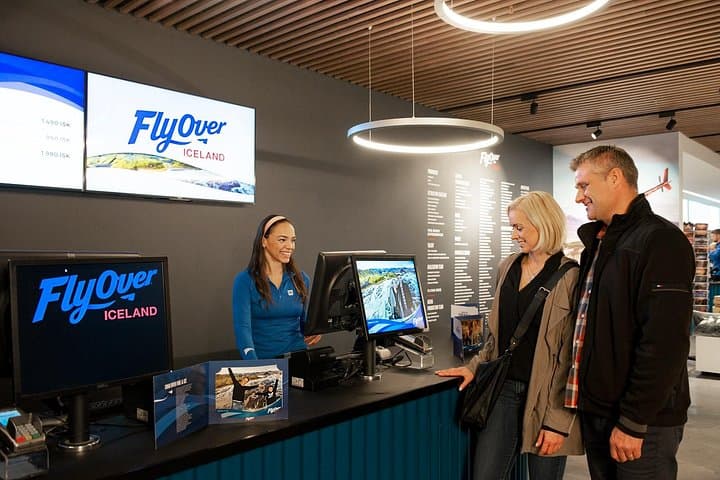
Þingvellir is history and geology in one field guide: the open-air assembly of Iceland’s Alþingi was founded here in 930 AD, and the exposed rock records repeated fissuring from tectonic movement and ancient eruptions. After the dive, the Fly Over Iceland portion shifts gear—special-effects wind, mist and a 20-meter spherical screen recreate aerial passages across glaciers, coasts and volcanic highlands, giving context to the land you’ve just visited.
Practically: it’s a long self-drive day (roughly 50 km from Reykjavík to Silfra), so arrive fed and rested. Provide height, weight and medical info ahead of time; guides issue drysuits and undergarments—expect a snug fit. Groups are small; photography is included and hot chocolate awaits after the cold-water section. Bring thermal base layers, thick wool socks, and either contact lenses or a prescription snorkel mask. Follow your guide closely: Silfra is fragile and access is tightly managed.
You must be comfortable in water and able to swim; guides monitor groups closely but basic swimming ability is required.
Wetsuit or drysuit with undergarment, snorkeling equipment, national park and Silfra fees, underwater photos, Fly Over Iceland experience and hot chocolate.
Minimum age is 12; people over 65 need physician approval. Not recommended for pregnant travelers or those with serious heart or spinal conditions.
Silfra is about 50 km from Reykjavík by road; the combined experience runs roughly 7–8 hours including travel and the Fly Over attraction.
Adventure Vikings operates guided outdoor trips and adventures with an emphasis on safety, stewardship, and memorable experiences.

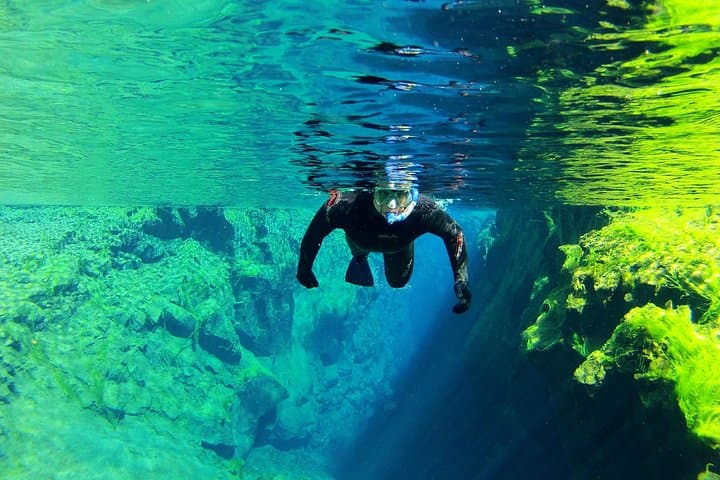
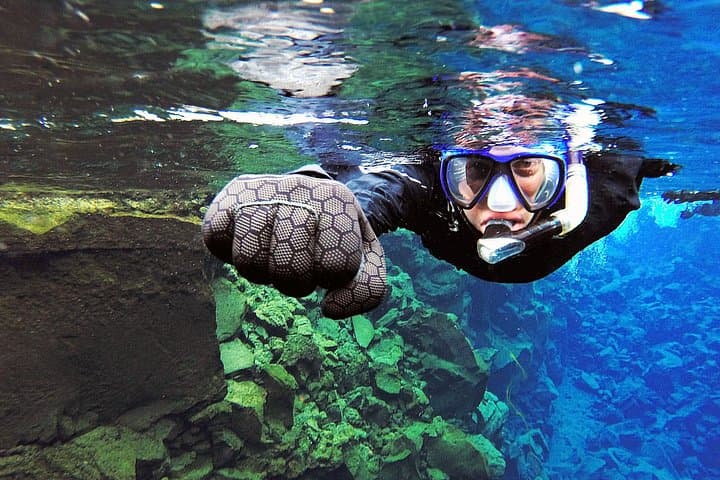
A pale-blue slit in the volcanic rock draws you down a narrow path at Þingvellir. The air is sharp; the rift breathes a cold, mineral scent that promises clarity. At Silfra you stand on the edge of two continents—North American and Eurasian plates—then slip into glacial water filtered for decades through lava fields. The water is a startling, drinkable clarity at about 2–4°C; suits and guided care keep you safe while the fissure’s walls and submerged plates become a slow-motion landscape beneath your mask.
A pale-blue slit in the volcanic rock draws you down a narrow path at Þingvellir. The air is sharp; the rift breathes a cold, mineral scent that promises clarity. At Silfra you stand on the edge of two continents—North American and Eurasian plates—then slip into glacial water filtered for decades through lava fields. The water is a startling, drinkable clarity at about 2–4°C; suits and guided care keep you safe while the fissure’s walls and submerged plates become a slow-motion landscape beneath your mask.
Þingvellir is history and geology in one field guide: the open-air assembly of Iceland’s Alþingi was founded here in 930 AD, and the exposed rock records repeated fissuring from tectonic movement and ancient eruptions. After the dive, the Fly Over Iceland portion shifts gear—special-effects wind, mist and a 20-meter spherical screen recreate aerial passages across glaciers, coasts and volcanic highlands, giving context to the land you’ve just visited.
Practically: it’s a long self-drive day (roughly 50 km from Reykjavík to Silfra), so arrive fed and rested. Provide height, weight and medical info ahead of time; guides issue drysuits and undergarments—expect a snug fit. Groups are small; photography is included and hot chocolate awaits after the cold-water section. Bring thermal base layers, thick wool socks, and either contact lenses or a prescription snorkel mask. Follow your guide closely: Silfra is fragile and access is tightly managed.