THE ADVENTURE COLLECTIVE® · Independent discovery and booking for outdoor travel

Fly from Guangzhou to walk among China’s great Silk Road landmarks in four days: the Terracotta Warriors, Mogao Grottoes, Yumen Pass, Yadan Ghost City and Crescent Moon Pool. This private itinerary pairs history, desert geology and local markets with practical pacing for the road-weary traveler.
Fly from Guangzhou to walk among China’s great Silk Road landmarks in four days: the Terracotta Warriors, Mogao Grottoes, Yumen Pass, Yadan Ghost City and Crescent Moon Pool. This private itinerary pairs history, desert geology and local markets with practical pacing for the road-weary traveler.
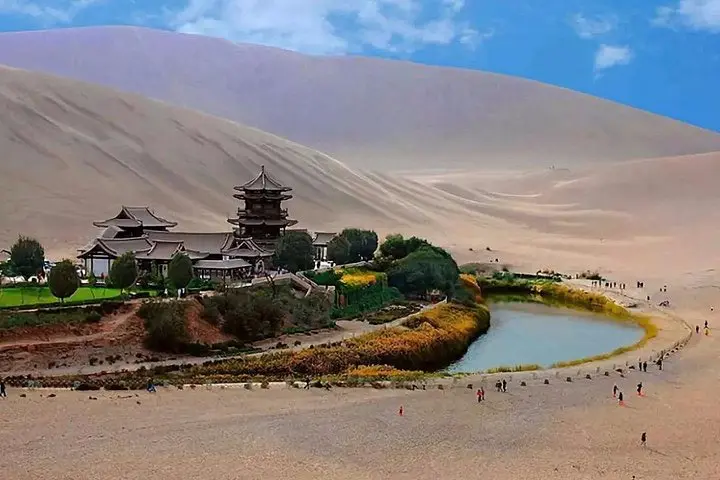
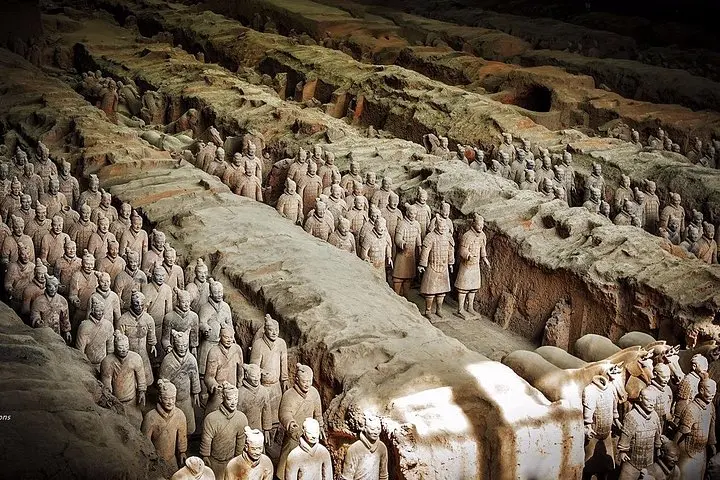
Morning light catches the airport concourse as you lift your bag onto the plane and leave the delta heat of Guangzhou behind. By the time your feet hit Xi’an, you’re walking between the quiet rows of life-size terracotta soldiers, their stony gazes still keeping time with millennia. Days later, the wind in Dunhuang leans into the dunes, and the Singing Dunes seems to answer every step with a low, rolling note.
Verified experiences and guided adventures in the surrounding area.
Operated by Unique Beijing Tours · Dunhuang, Gansu
Morning light catches the airport concourse as you lift your bag onto the plane and leave the delta heat of Guangzhou behind. By the time your feet hit Xi’an, you’re walking between the quiet rows of life-size terracotta soldiers, their stony gazes still keeping time with millennia. Days later, the wind in Dunhuang leans into the dunes, and the Singing Dunes seems to answer every step with a low, rolling note.
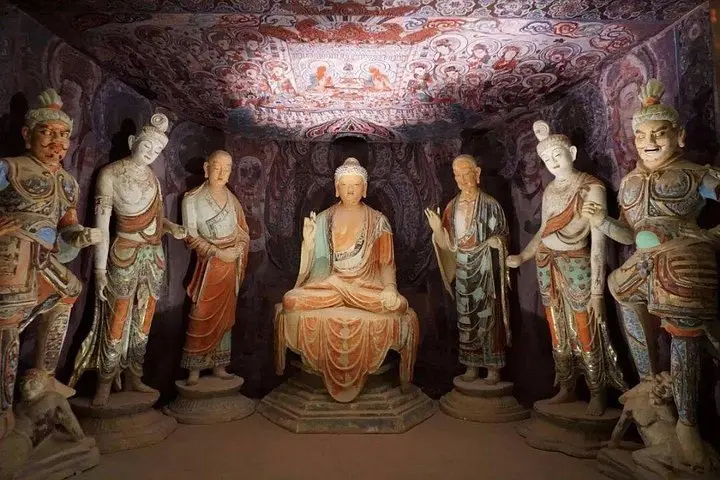
This compact private itinerary threads together Silk Road milestones: the Qin emperor’s terracotta army, 1,000 years of murals at the Mogao Grottoes, the strategic ramparts of Yumen Pass, the ramshackle outlines of Han Dynasty walls and the carved reliefs of Yadan’s yardang formations. Geology here is dramatic—wind-carved yardangs and crescent pools survive because of rare groundwater and hard-packed loess—and culturally the route shows China’s long exchanges of religion, art and commerce.
Expect curated access: guide-led cave tours limit numbers and photography; short walks and battery-shuttle rides reduce exertion; early starts maximize light at the dunes. Practicalities matter: passport and visa checks, light layers for big diurnal swings, closed-toe shoes for sandy trails and patience for queues at UNESCO sites.
Plan mornings for open-air sites and afternoons for museums and markets when heat or wind picks up. Bring local currency for night markets, keep water handy in the dry air, and leave flash photography for later—these fragile murals prefer to be seen, not strained. This is a journey of contrast: carved silence in caves and the cheeky clamor of street food, both equally essential to the Silk Road story.
Yes—economy-class domestic flights between Guangzhou, Xi’an and Dunhuang are included in the tour package.
Walks are moderate: expect up to 1–2 miles on site with stairs in caves and platforms at the warrior pits; battery shuttles reduce walking at larger sites.
Yes—there’s an option to finish the tour in Dunhuang; inform the operator when booking to adjust return logistics.
The tour includes lunches and the option to add 4-star accommodation with daily breakfasts; check the booking details for what you selected.
Unique Beijing Tours operates guided outdoor trips and adventures with an emphasis on safety, stewardship, and memorable experiences.

Morning light catches the airport concourse as you lift your bag onto the plane and leave the delta heat of Guangzhou behind. By the time your feet hit Xi’an, you’re walking between the quiet rows of life-size terracotta soldiers, their stony gazes still keeping time with millennia. Days later, the wind in Dunhuang leans into the dunes, and the Singing Dunes seems to answer every step with a low, rolling note.
Morning light catches the airport concourse as you lift your bag onto the plane and leave the delta heat of Guangzhou behind. By the time your feet hit Xi’an, you’re walking between the quiet rows of life-size terracotta soldiers, their stony gazes still keeping time with millennia. Days later, the wind in Dunhuang leans into the dunes, and the Singing Dunes seems to answer every step with a low, rolling note.
This compact private itinerary threads together Silk Road milestones: the Qin emperor’s terracotta army, 1,000 years of murals at the Mogao Grottoes, the strategic ramparts of Yumen Pass, the ramshackle outlines of Han Dynasty walls and the carved reliefs of Yadan’s yardang formations. Geology here is dramatic—wind-carved yardangs and crescent pools survive because of rare groundwater and hard-packed loess—and culturally the route shows China’s long exchanges of religion, art and commerce.
Expect curated access: guide-led cave tours limit numbers and photography; short walks and battery-shuttle rides reduce exertion; early starts maximize light at the dunes. Practicalities matter: passport and visa checks, light layers for big diurnal swings, closed-toe shoes for sandy trails and patience for queues at UNESCO sites.
Plan mornings for open-air sites and afternoons for museums and markets when heat or wind picks up. Bring local currency for night markets, keep water handy in the dry air, and leave flash photography for later—these fragile murals prefer to be seen, not strained. This is a journey of contrast: carved silence in caves and the cheeky clamor of street food, both equally essential to the Silk Road story.