THE ADVENTURE COLLECTIVE® · Independent discovery and booking for outdoor travel

Trace the northern Silk Road on a private 5-night route from Dunhuang to Urumqi, combining Mogao’s cave art, Turpan’s vineyards and the alpine calm of Heavenly Lake. This guided cultural trip balances lightweight walking with deep historical context and practical logistics.
Trace the northern Silk Road on a private 5-night route from Dunhuang to Urumqi, combining Mogao’s cave art, Turpan’s vineyards and the alpine calm of Heavenly Lake. This guided cultural trip balances lightweight walking with deep historical context and practical logistics.
Sand and stone set the opening scene: morning sun slants across the ochre slopes outside Dunhuang as the first steps on a route that once funneled traders, pilgrims and ideas across Asia.
Verified experiences and guided adventures in the surrounding area.
Operated by SilkRoadTrips · Dunhuang, Gansu
Sand and stone set the opening scene: morning sun slants across the ochre slopes outside Dunhuang as the first steps on a route that once funneled traders, pilgrims and ideas across Asia.
This private 5-night itinerary threads classic Silk Road landmarks — the painted caves of Mogao, the sunbaked karez irrigation channels of Turpan, the ruined gateways of Gaochang, the Loulan mummies and the alpine calm of Heavenly Lake beneath the Tianshan. Geologically the route shifts fast: soft gravel conglomerate at Mogao yields caves carved by hand; broad desert basins give way to irrigated oasis farms; the Tianshan rise to reveal glacial-fed lakes at nearly 2,000 m.
Culturally the journey highlights Uyghur and Han intersections: minarets and bazaars in Turpan and Urumqi’s Erdaoqiao market where spices, dried fruits and local handicrafts speak to centuries of trade. The tour pairs concentrated history — Buddhist mural cycles, Silk Road trade hubs — with everyday moments, like lunch under grape arbors using the ancient karez system.
Practically: expect comfortable hotel nights, private transport and a bullet-train segment of roughly four hours between Liuyuan (Dunhuang) and Turpan. Walking is light but surfaces include uneven desert paths and carved cave steps; bring sun protection, layered clothing for mountain chills, and copies of travel documents. Respect local customs in markets and mosque precincts, carry cash for small purchases, and allow time for altitude and temperature swings on the final day at Heavenly Lake.
Most travelers to China require a visa—confirm entry requirements with your embassy well before departure and bring the passport information requested at booking.
The tour is classified as easy: daily activities involve short to moderate walks at historical sites and short drives; no technical hiking is required.
Yes — included are local guide services, select admissions as listed, private vehicle transport, a bullet-train segment and hotel accommodations per itinerary.
A local guide is provided for translation and logistics; outside major cities some vendors speak limited Mandarin or Uyghur, so your guide will help with bargaining and cultural norms.
SilkRoadTrips operates guided outdoor trips and adventures with an emphasis on safety, stewardship, and memorable experiences.
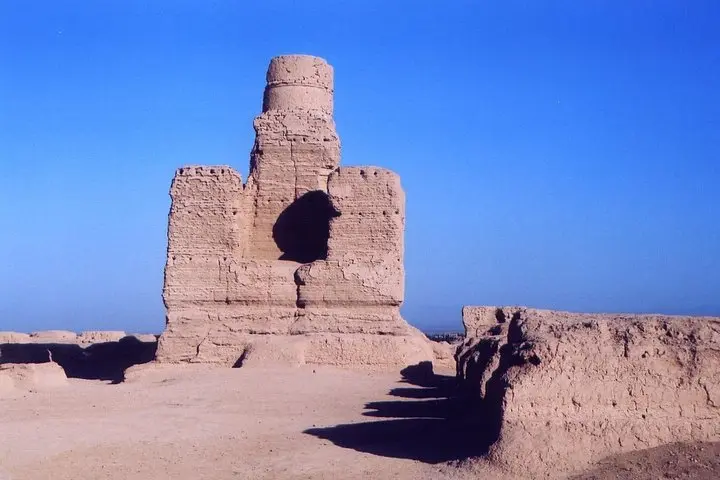
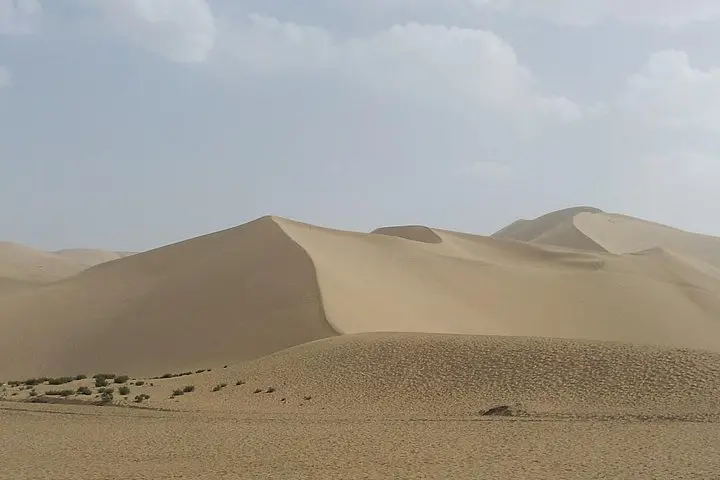
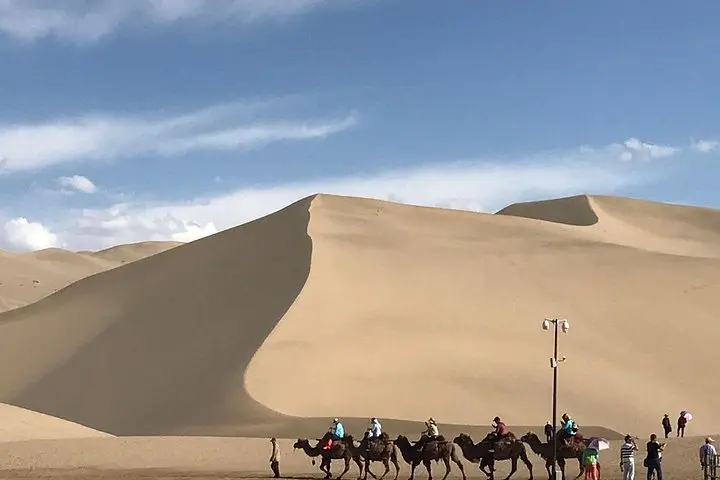
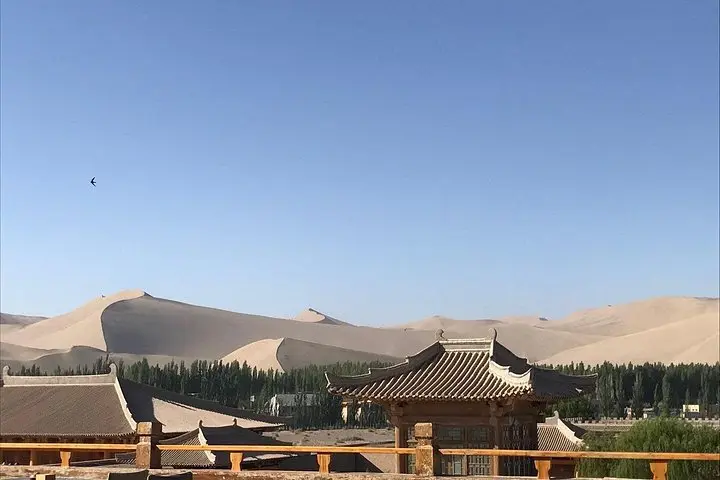
Sand and stone set the opening scene: morning sun slants across the ochre slopes outside Dunhuang as the first steps on a route that once funneled traders, pilgrims and ideas across Asia.
Sand and stone set the opening scene: morning sun slants across the ochre slopes outside Dunhuang as the first steps on a route that once funneled traders, pilgrims and ideas across Asia.
This private 5-night itinerary threads classic Silk Road landmarks — the painted caves of Mogao, the sunbaked karez irrigation channels of Turpan, the ruined gateways of Gaochang, the Loulan mummies and the alpine calm of Heavenly Lake beneath the Tianshan. Geologically the route shifts fast: soft gravel conglomerate at Mogao yields caves carved by hand; broad desert basins give way to irrigated oasis farms; the Tianshan rise to reveal glacial-fed lakes at nearly 2,000 m.
Culturally the journey highlights Uyghur and Han intersections: minarets and bazaars in Turpan and Urumqi’s Erdaoqiao market where spices, dried fruits and local handicrafts speak to centuries of trade. The tour pairs concentrated history — Buddhist mural cycles, Silk Road trade hubs — with everyday moments, like lunch under grape arbors using the ancient karez system.
Practically: expect comfortable hotel nights, private transport and a bullet-train segment of roughly four hours between Liuyuan (Dunhuang) and Turpan. Walking is light but surfaces include uneven desert paths and carved cave steps; bring sun protection, layered clothing for mountain chills, and copies of travel documents. Respect local customs in markets and mosque precincts, carry cash for small purchases, and allow time for altitude and temperature swings on the final day at Heavenly Lake.