THE ADVENTURE COLLECTIVE® · Independent discovery and booking for outdoor travel

Walk into the working quarries and narrow volcanic canyons that shaped Arequipa’s white stone city. This half-day tour combines hands-on stonemasonry, geological insight, and a short hike to petroglyphs.
Walk into the working quarries and narrow volcanic canyons that shaped Arequipa’s white stone city. This half-day tour combines hands-on stonemasonry, geological insight, and a short hike to petroglyphs.
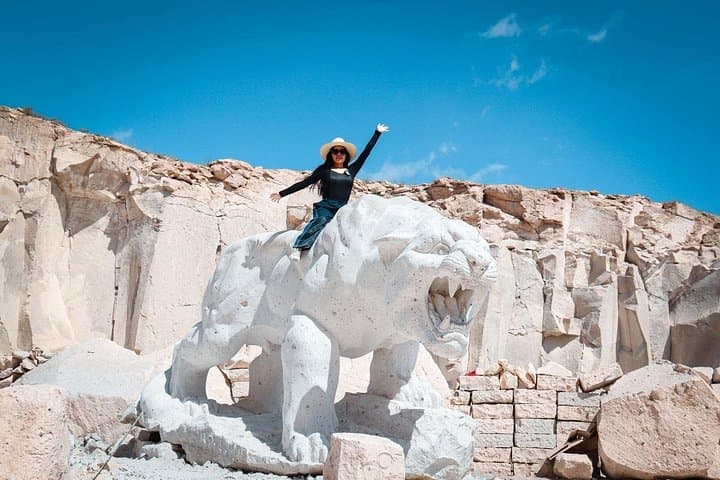
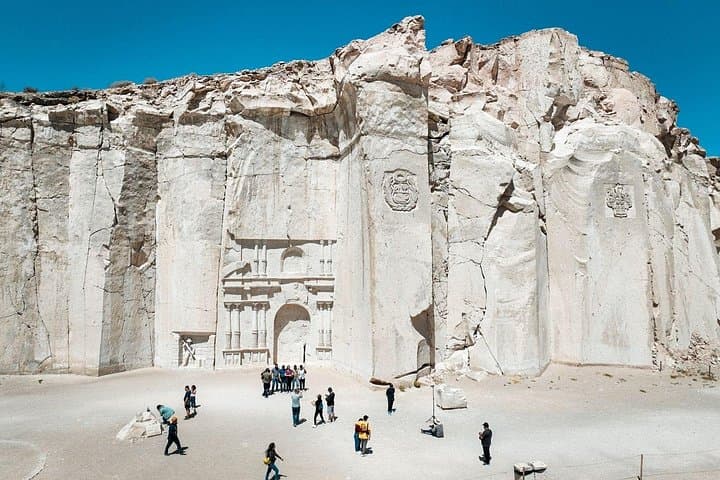
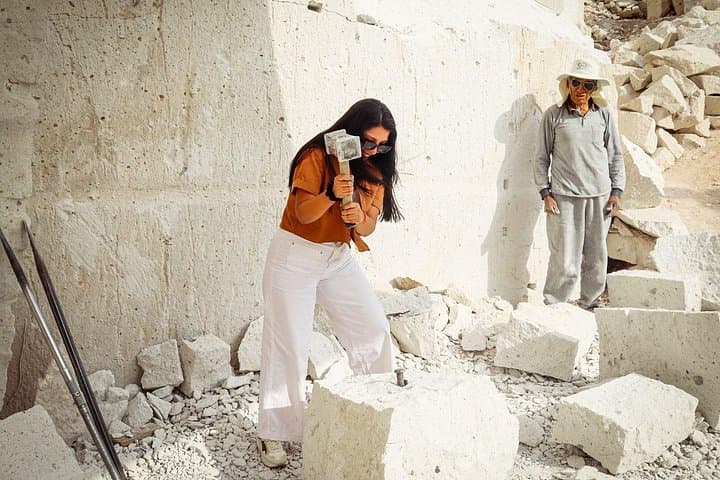
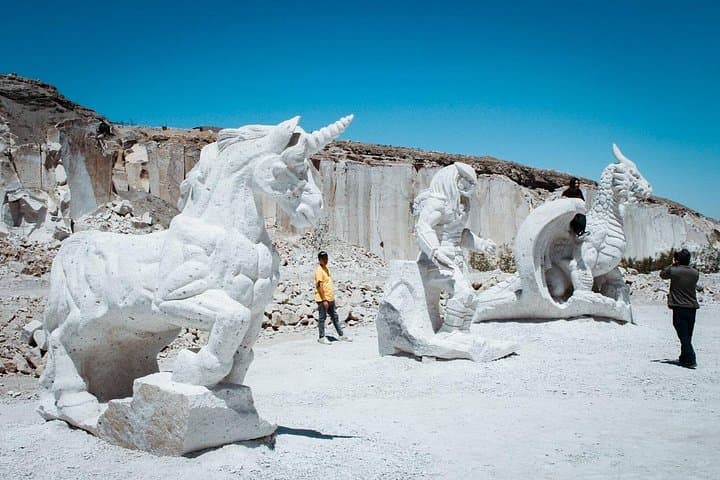
The morning air in Arequipa is sharp enough to make the sillar sparkle. You step out of the van and a white canyon opens: sheer volcanic walls scored by chisels, sunlight cutting terraces of stone. A local guide leads you along paths where stonemasons still strike mallet on chisel, each blow revealing the pale rock that built Arequipa’s churches and arcades.
Verified experiences and guided adventures in the surrounding area.
Operated by Intiperu Travel · Arequipa, Arequipa
The morning air in Arequipa is sharp enough to make the sillar sparkle. You step out of the van and a white canyon opens: sheer volcanic walls scored by chisels, sunlight cutting terraces of stone. A local guide leads you along paths where stonemasons still strike mallet on chisel, each blow revealing the pale rock that built Arequipa’s churches and arcades.
This tour connects geological time to human craft. Sillar is a volcanic ignimbrite deposited after explosive eruptions; it’s light, carvable, and has defined Arequipa’s visual identity for centuries. At Añashuayco Quarry you’ll see the carved façade work and learn how colonial masons translated the stone into baroque architecture. Then the van threads south to Culebrillas Canyon — a narrow gorge carved by water and wind where shallow petroglyphs and simple anthropomorphic figures speak to pre-Inca inhabitants.
Culturally the route traces labor and landscape: living albañiles (stonemasons) who keep cutting traditions alive, and ancient engravings that map human presence long before the city rose. Practically, expect easy walking on uneven volcanic rock, short climbs in the quarry, and a 20-minute guided hike through the canyon. Wear closed-toe shoes with grip, bring sun protection and a refillable bottle; elevation is roughly 2,300–2,500 m with dry, high-altitude sun.
Timing: mornings are cooler and clearer for volcano views; guides usually include hotel pickup and a small-group van. The experience is part geology lesson, part craft demonstration — gritty, tactile, and unmistakably Arequipeño.
The guided hike through the canyon is brief — about 20 minutes on a short, uneven trail to view petroglyphs.
Yes — the route is rated easy and accessible to most ages, but participants should be steady on their feet and comfortable with short walks on uneven terrain.
Entrance fees to Añashuayco Quarry and Culebrillas Canyon are included in the tour price according to the itinerary details.
Yes — from viewpoints like Yanahuara you’ll get panoramic views of Misti, Chachani, and Pichu Pichu when skies are clear.
Intiperu Travel operates guided outdoor trips and adventures with an emphasis on safety, stewardship, and memorable experiences.
The morning air in Arequipa is sharp enough to make the sillar sparkle. You step out of the van and a white canyon opens: sheer volcanic walls scored by chisels, sunlight cutting terraces of stone. A local guide leads you along paths where stonemasons still strike mallet on chisel, each blow revealing the pale rock that built Arequipa’s churches and arcades.
The morning air in Arequipa is sharp enough to make the sillar sparkle. You step out of the van and a white canyon opens: sheer volcanic walls scored by chisels, sunlight cutting terraces of stone. A local guide leads you along paths where stonemasons still strike mallet on chisel, each blow revealing the pale rock that built Arequipa’s churches and arcades.
This tour connects geological time to human craft. Sillar is a volcanic ignimbrite deposited after explosive eruptions; it’s light, carvable, and has defined Arequipa’s visual identity for centuries. At Añashuayco Quarry you’ll see the carved façade work and learn how colonial masons translated the stone into baroque architecture. Then the van threads south to Culebrillas Canyon — a narrow gorge carved by water and wind where shallow petroglyphs and simple anthropomorphic figures speak to pre-Inca inhabitants.
Culturally the route traces labor and landscape: living albañiles (stonemasons) who keep cutting traditions alive, and ancient engravings that map human presence long before the city rose. Practically, expect easy walking on uneven volcanic rock, short climbs in the quarry, and a 20-minute guided hike through the canyon. Wear closed-toe shoes with grip, bring sun protection and a refillable bottle; elevation is roughly 2,300–2,500 m with dry, high-altitude sun.
Timing: mornings are cooler and clearer for volcano views; guides usually include hotel pickup and a small-group van. The experience is part geology lesson, part craft demonstration — gritty, tactile, and unmistakably Arequipeño.