THE ADVENTURE COLLECTIVE® · Independent discovery and booking for outdoor travel

Trace the pale walls of Arequipa’s sillar quarries and hike Culebrillas Canyon on a three‑hour guided tour that combines geology, stonecutting craft, and short adventurous walks. Learn where the city’s white stone comes from while walking paths shaped by natural forces and human hands.
Trace the pale walls of Arequipa’s sillar quarries and hike Culebrillas Canyon on a three‑hour guided tour that combines geology, stonecutting craft, and short adventurous walks. Learn where the city’s white stone comes from while walking paths shaped by natural forces and human hands.
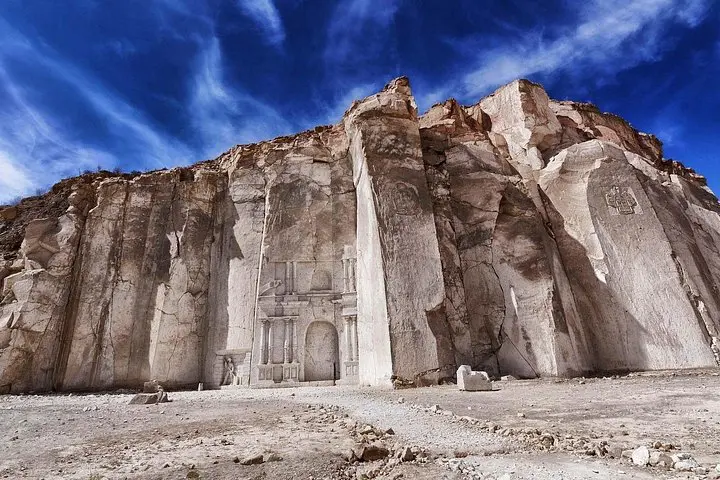
A wind-scoured white ridge unfolds as you step from the van — walls of pale volcanic tuff rising like a carved city that predates the plazas below. Dust lifts underfoot and the canteros’ chisels echo in memory as you follow a route where extraction meets artistry.
Verified experiences and guided adventures in the surrounding area.
Operated by VIAJES POR PERU · Arequipa, Arequipa
A wind-scoured white ridge unfolds as you step from the van — walls of pale volcanic tuff rising like a carved city that predates the plazas below. Dust lifts underfoot and the canteros’ chisels echo in memory as you follow a route where extraction meets artistry.
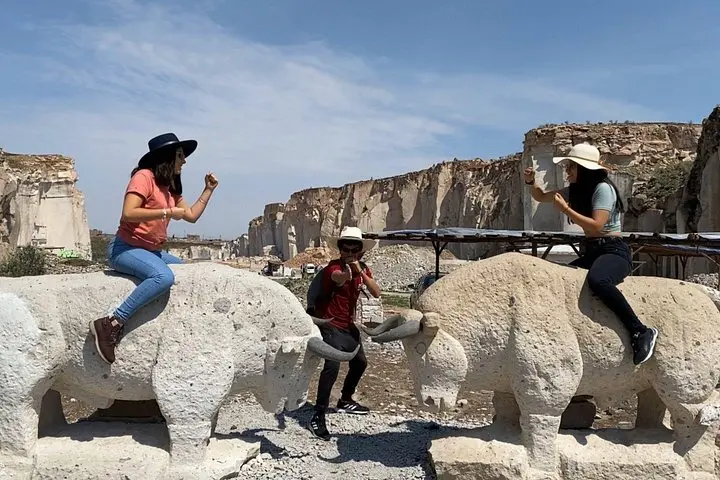
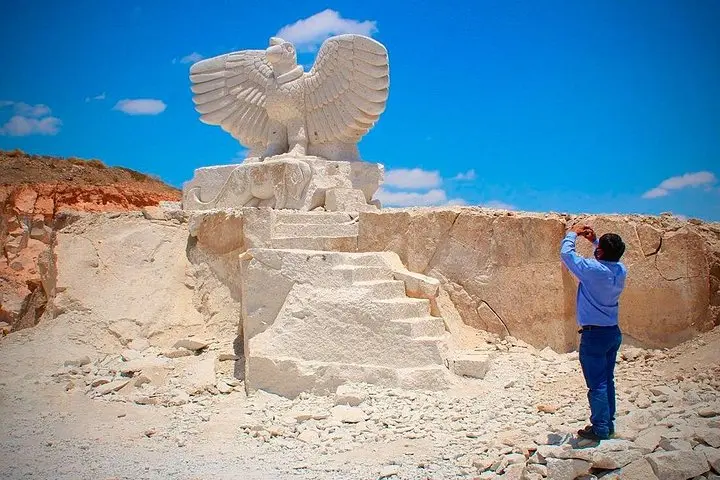
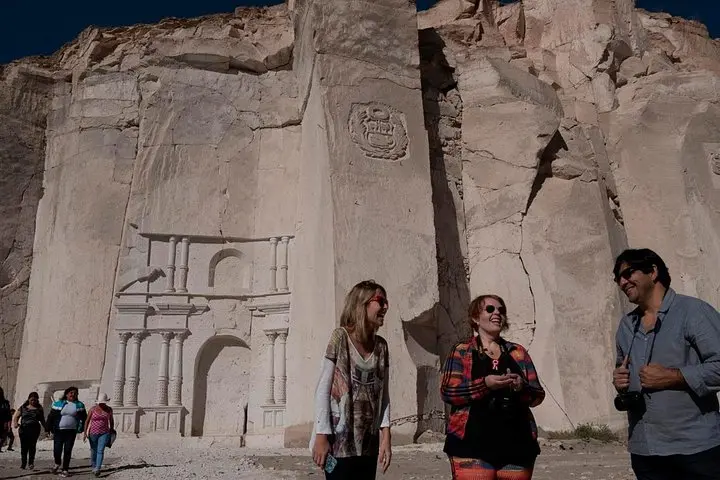
The Sillar Route traces the stone used to build Arequipa’s Historic Centre, a city of white façades hewn from rhyolitic tuff. The geology is simple and dramatic: porous volcanic deposits compacted into sillar, easily carved yet durable at altitude. Cultural threads run through every cleft — families of stonecutters (los canteros) have shaped blocks and elaborate carvings for generations, and small handicraft stalls still sell sillar miniatures outside working quarries.
Culebrillas Canyon narrows into a pocket of riparian green; the stream dares you to slow down as you descend into a sheltered walk where extraction is restricted. The route blends short, uneven walks with interpretive stops: quarries, carvings, and viewpoints back toward El Misti and the city.
Practically: the guided excursion lasts about three hours and is rated easy — expect uneven dirt and short inclines. Wear sturdy shoes, sun protection, and bring at least 1–2 liters of water. Morning departures maximize light for photographs and cooler air; afternoons can be dustier. Respect signage—some ravines are legally protected—and follow your guide near loose edges. The Sillar Route is compact but vivid: geology you can touch and a living craft that built a city.
The experience is about three hours with roughly 1–3 kilometers of walking over uneven dirt and short inclines; it’s paced for mixed fitness levels.
Most departures begin in Arequipa with tourist transport included for the entire route; confirm your pickup point when booking.
Yes — the itinerary is rated easy and suitable for all fitness levels, though young children should be supervised near quarry edges and some uneven terrain.
Yes — stops include viewpoints of carvings and artisans’ work; purchases help support local stonecutting families.
VIAJES POR PERU operates guided outdoor trips and adventures with an emphasis on safety, stewardship, and memorable experiences.
A wind-scoured white ridge unfolds as you step from the van — walls of pale volcanic tuff rising like a carved city that predates the plazas below. Dust lifts underfoot and the canteros’ chisels echo in memory as you follow a route where extraction meets artistry.
A wind-scoured white ridge unfolds as you step from the van — walls of pale volcanic tuff rising like a carved city that predates the plazas below. Dust lifts underfoot and the canteros’ chisels echo in memory as you follow a route where extraction meets artistry.
The Sillar Route traces the stone used to build Arequipa’s Historic Centre, a city of white façades hewn from rhyolitic tuff. The geology is simple and dramatic: porous volcanic deposits compacted into sillar, easily carved yet durable at altitude. Cultural threads run through every cleft — families of stonecutters (los canteros) have shaped blocks and elaborate carvings for generations, and small handicraft stalls still sell sillar miniatures outside working quarries.
Culebrillas Canyon narrows into a pocket of riparian green; the stream dares you to slow down as you descend into a sheltered walk where extraction is restricted. The route blends short, uneven walks with interpretive stops: quarries, carvings, and viewpoints back toward El Misti and the city.
Practically: the guided excursion lasts about three hours and is rated easy — expect uneven dirt and short inclines. Wear sturdy shoes, sun protection, and bring at least 1–2 liters of water. Morning departures maximize light for photographs and cooler air; afternoons can be dustier. Respect signage—some ravines are legally protected—and follow your guide near loose edges. The Sillar Route is compact but vivid: geology you can touch and a living craft that built a city.