THE ADVENTURE COLLECTIVE® · Independent discovery and booking for outdoor travel

Explore the pale volcanic tuff of Arequipa on a half-day tour through Añashuayco’s sillar quarries and the narrow Culebrillas Ravine. See working stonemasons, climb viewpoint terraces and inspect ancient petroglyphs while taking in views of the region’s volcanoes.
Explore the pale volcanic tuff of Arequipa on a half-day tour through Añashuayco’s sillar quarries and the narrow Culebrillas Ravine. See working stonemasons, climb viewpoint terraces and inspect ancient petroglyphs while taking in views of the region’s volcanoes.
Morning light in Arequipa turns the volcanic tuff to pale gold and the air smells faintly of dust and stone. A minibus pulls away from the city; within thirty minutes you’re on a dirt track where the land has been cut away for generations. The quarry faces are broad and clean — white sillar carved in terraces — and beyond them the profiles of Misti, Chachani and Pichu Pichu rise, watching the route.
Verified experiences and guided adventures in the surrounding area.
Operated by Machupicchu Holiday · Arequipa, Arequipa
Morning light in Arequipa turns the volcanic tuff to pale gold and the air smells faintly of dust and stone. A minibus pulls away from the city; within thirty minutes you’re on a dirt track where the land has been cut away for generations. The quarry faces are broad and clean — white sillar carved in terraces — and beyond them the profiles of Misti, Chachani and Pichu Pichu rise, watching the route.
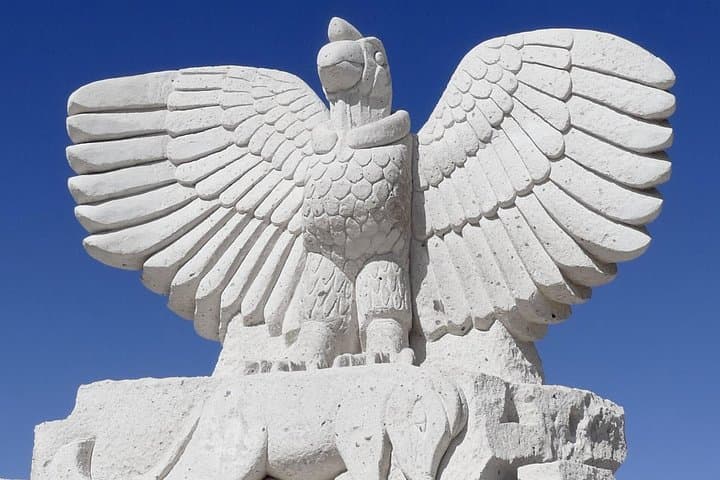
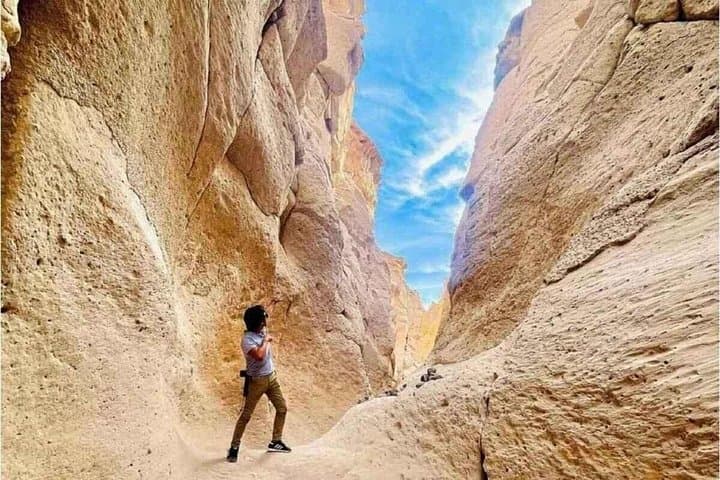
The sillar here is a consolidated volcanic ash used in Arequipa’s colonial architecture; the quarries around Añashuayco show the practical side of that beauty. Hands and chisels still shape blocks while canyon walls in the Culebrillas Ravine reach 15–20 meters and channel a cool, narrow light. Petroglyph panels near the trail carry abstract figures and lines whose original meaning is uncertain but speak to long human presence in the valley.
Expect a mix of viewpoints, short walks on uneven packed earth and one focused 20-minute stretch through the canyon interior. The geology is straightforward — volcanic tuff layered and quarried — and the cultural note is as much about craft as archaeology: local stonemasons, local lore, and the enduring material that built Arequipa.
Practicalities: this is a half-day tour (about 5 hours), accessible to most people but at ~2,300–2,400 m elevation; bring sun protection, layers for wind, and sturdy shoes for uneven stone. Photography is rewarding but respect petroglyphs and active work sites. Water and a light snack keep the short walks comfortable; transport and guide are usually included, with pickup from central Arequipa.
The canyon walk is short—about 15–30 minutes on a narrow, mostly flat path suitable for most visitors.
Yes, some quarries have active stonemasonry; guides usually introduce visitors to workers and explain traditional techniques.
Yes—it's rated easy and suitable for a wide range of ages, though mobility-limited guests should note there are unpaved sections and some steps.
Tipping is customary for good service in Peru; 10–15% shared among guides and drivers is a common practice.
Machupicchu Holiday operates guided outdoor trips and adventures with an emphasis on safety, stewardship, and memorable experiences.


Morning light in Arequipa turns the volcanic tuff to pale gold and the air smells faintly of dust and stone. A minibus pulls away from the city; within thirty minutes you’re on a dirt track where the land has been cut away for generations. The quarry faces are broad and clean — white sillar carved in terraces — and beyond them the profiles of Misti, Chachani and Pichu Pichu rise, watching the route.
Morning light in Arequipa turns the volcanic tuff to pale gold and the air smells faintly of dust and stone. A minibus pulls away from the city; within thirty minutes you’re on a dirt track where the land has been cut away for generations. The quarry faces are broad and clean — white sillar carved in terraces — and beyond them the profiles of Misti, Chachani and Pichu Pichu rise, watching the route.
The sillar here is a consolidated volcanic ash used in Arequipa’s colonial architecture; the quarries around Añashuayco show the practical side of that beauty. Hands and chisels still shape blocks while canyon walls in the Culebrillas Ravine reach 15–20 meters and channel a cool, narrow light. Petroglyph panels near the trail carry abstract figures and lines whose original meaning is uncertain but speak to long human presence in the valley.
Expect a mix of viewpoints, short walks on uneven packed earth and one focused 20-minute stretch through the canyon interior. The geology is straightforward — volcanic tuff layered and quarried — and the cultural note is as much about craft as archaeology: local stonemasons, local lore, and the enduring material that built Arequipa.
Practicalities: this is a half-day tour (about 5 hours), accessible to most people but at ~2,300–2,400 m elevation; bring sun protection, layers for wind, and sturdy shoes for uneven stone. Photography is rewarding but respect petroglyphs and active work sites. Water and a light snack keep the short walks comfortable; transport and guide are usually included, with pickup from central Arequipa.