THE ADVENTURE COLLECTIVE® · Independent discovery and booking for outdoor travel

Spend a day in Silunguzi, a Matobo village where elders recount land struggles, families demonstrate traditional life, and San cave paintings offer a direct link to the region’s ancient past. Expect easy walking, sun exposure, and hands-on cultural exchange.
Spend a day in Silunguzi, a Matobo village where elders recount land struggles, families demonstrate traditional life, and San cave paintings offer a direct link to the region’s ancient past. Expect easy walking, sun exposure, and hands-on cultural exchange.
Dawn strips the high granite domes of the Matobo Hills into layered shadow and light as you drive toward Silunguzi village. The air smells of dry grass and smoke from early hearth fires; cattle wander between stone kopjes that seem to lean in to listen as the Headman begins his story. This is not a staged encounter but a day threaded through living practices—cooking over open flame, milking cattle, and the steady rhythm of communal work.
Verified experiences and guided adventures in the surrounding area.
Operated by Bushmen Travel Company · Silunguzi, Matabeleland South
Dawn strips the high granite domes of the Matobo Hills into layered shadow and light as you drive toward Silunguzi village. The air smells of dry grass and smoke from early hearth fires; cattle wander between stone kopjes that seem to lean in to listen as the Headman begins his story. This is not a staged encounter but a day threaded through living practices—cooking over open flame, milking cattle, and the steady rhythm of communal work.
The Matobo landscape is ancient: rounded granite inselbergs formed by exfoliation and erosion, with natural shelters that San artists used for millennia. The cave paintings you’ll see are fragile windows into Paleolithic life—hunting scenes and spirit figures rendered in red and white pigment. Colonial-era land disputes and the local community’s long resistance shape the modern village’s identity; the Headman’s account links geology, survival, and law in plain terms.
Expect easy walking across uneven rock and dusty tracks, punctuated by a moderate climb to reach painted shelters. Time is spent moving at local pace—observation, conversation, and hands-on tasks where invited. Practicalities: bring closed-toe shoes, sun protection, insect repellent, and a refillable water bottle; the tour provides bottled water and lunch. Photography is welcomed but ask before shooting people; small gratuities are appropriate for guides and hosts.
This visit balances cultural insight with physical presence in a unique geological setting. Plan for six hours, allow your senses to slow, and leave space to listen—the rocks, the cattle, and the elders each have a turn at the story.
The standard tour runs approximately six hours, typically including village activities, interaction with the Headman, and time at the San rock art site.
An air-conditioned vehicle is included for the transfer to and from the meeting point; confirm pickup details at booking.
Yes—lunch and bottled water are provided, and the group usually shares a traditional meal prepared by villagers.
Yes—infants are allowed but usually required to sit on an adult’s lap; the pace is gentle though terrain can be uneven for strollers.
Bushmen Travel Company operates guided outdoor trips and adventures with an emphasis on safety, stewardship, and memorable experiences.
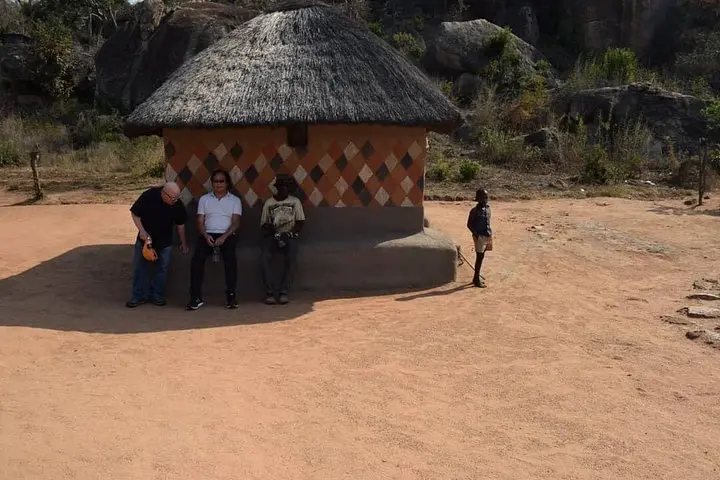
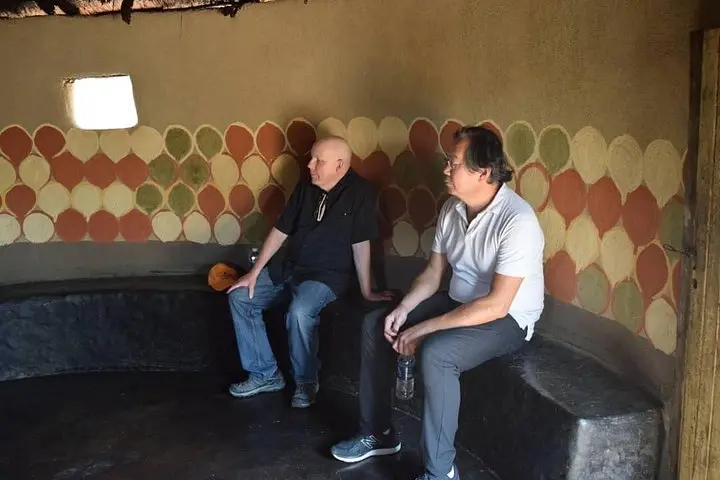
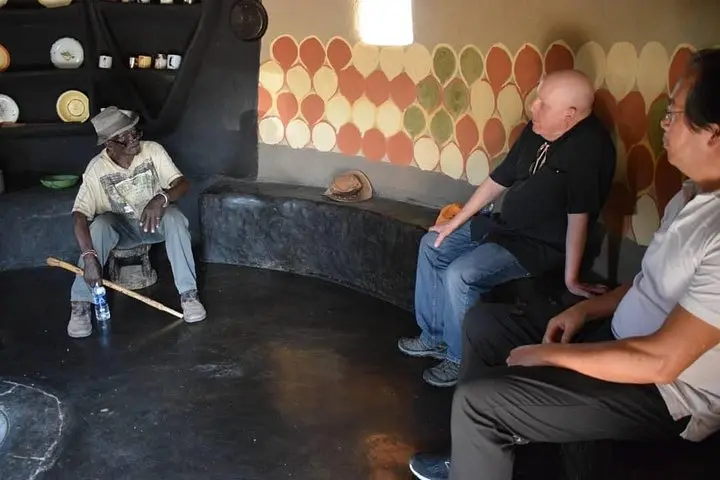
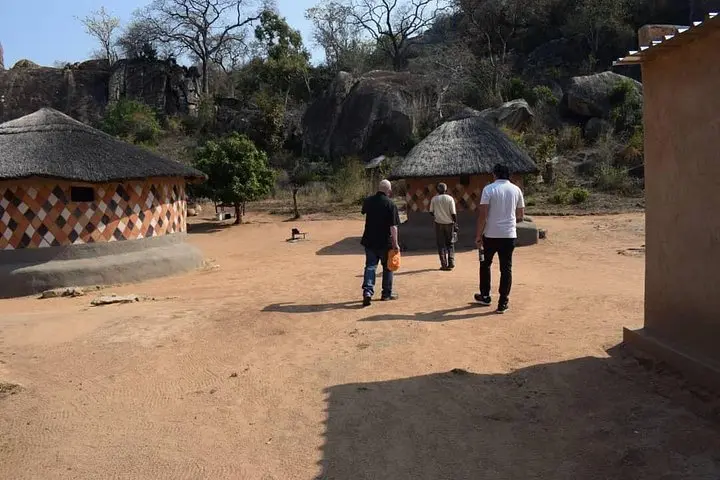
Dawn strips the high granite domes of the Matobo Hills into layered shadow and light as you drive toward Silunguzi village. The air smells of dry grass and smoke from early hearth fires; cattle wander between stone kopjes that seem to lean in to listen as the Headman begins his story. This is not a staged encounter but a day threaded through living practices—cooking over open flame, milking cattle, and the steady rhythm of communal work.
Dawn strips the high granite domes of the Matobo Hills into layered shadow and light as you drive toward Silunguzi village. The air smells of dry grass and smoke from early hearth fires; cattle wander between stone kopjes that seem to lean in to listen as the Headman begins his story. This is not a staged encounter but a day threaded through living practices—cooking over open flame, milking cattle, and the steady rhythm of communal work.
The Matobo landscape is ancient: rounded granite inselbergs formed by exfoliation and erosion, with natural shelters that San artists used for millennia. The cave paintings you’ll see are fragile windows into Paleolithic life—hunting scenes and spirit figures rendered in red and white pigment. Colonial-era land disputes and the local community’s long resistance shape the modern village’s identity; the Headman’s account links geology, survival, and law in plain terms.
Expect easy walking across uneven rock and dusty tracks, punctuated by a moderate climb to reach painted shelters. Time is spent moving at local pace—observation, conversation, and hands-on tasks where invited. Practicalities: bring closed-toe shoes, sun protection, insect repellent, and a refillable water bottle; the tour provides bottled water and lunch. Photography is welcomed but ask before shooting people; small gratuities are appropriate for guides and hosts.
This visit balances cultural insight with physical presence in a unique geological setting. Plan for six hours, allow your senses to slow, and leave space to listen—the rocks, the cattle, and the elders each have a turn at the story.