THE ADVENTURE COLLECTIVE® · Independent discovery and booking for outdoor travel

Spend a day moving from Silves’ red-stone castle to the cool ridge trails of Monchique, ending with three wine tastings and tapas at a small family estate. This private tour blends regional history, geology, and hands-on wine insight with comfortable transport.
Spend a day moving from Silves’ red-stone castle to the cool ridge trails of Monchique, ending with three wine tastings and tapas at a small family estate. This private tour blends regional history, geology, and hands-on wine insight with comfortable transport.
You step off the air-conditioned minivan and the Algarve opens in contrasts: ochre castle walls above a quiet river, then a turn of the road into pine-scented hills where a cold spring still gathers. The day moves deliberately — a castle climb in Silves, a cathedral doorway heavy with history, a forest trail that pushes you uphill to Monchique’s ridge, and finally a small family wine farm where you sit to taste.
Verified experiences and guided adventures in the surrounding area.
Operated by VTours Algarve · Silves, Algarve
You step off the air-conditioned minivan and the Algarve opens in contrasts: ochre castle walls above a quiet river, then a turn of the road into pine-scented hills where a cold spring still gathers. The day moves deliberately — a castle climb in Silves, a cathedral doorway heavy with history, a forest trail that pushes you uphill to Monchique’s ridge, and finally a small family wine farm where you sit to taste.
Silves was a Moorish stronghold and its 11th-century castle still reads like a map of medieval power; the town’s streets and cathedral show the layered Portuguese past. Geologically the Monchique massif is granite and schist, older and cooler than the coastal limestone plains — which is why cork oaks and eucalyptus thrive here and springs bubble from fractured bedrock.
Culturally the area pairs rural agriculture with seaside commerce; local vintners make small-production wines and old recipes for tapas. Expect a mix of stone steps and dirt tracks, brief interpretive stops, and about 90 minutes at a working wine estate where three wines and tapas illustrate production and taste.
Practical guidance: wear sturdy walking shoes for uneven castle steps and short forest trails, bring sun protection and a light layer for breezy ridgelines, and plan for an 8-hour private tour that includes pickups. Hydrate between tastings and use local guides’ context—history, grape varieties, and cave processes—to get more from each sip.
Yes — the private, air-conditioned vehicle and round-trip transport are included in the tour price.
Yes — three wines and tapas (cheese and cold meats) are provided at the estate, plus bottled water.
The tour is family-friendly; infant seats are available and short walks are manageable for most ages, though tastings are for adults.
Yes — the operator may modify or cancel in bad weather; the cancellation policy allows a full refund if canceled at least 24 hours prior.
VTours Algarve operates guided outdoor trips and adventures with an emphasis on safety, stewardship, and memorable experiences.
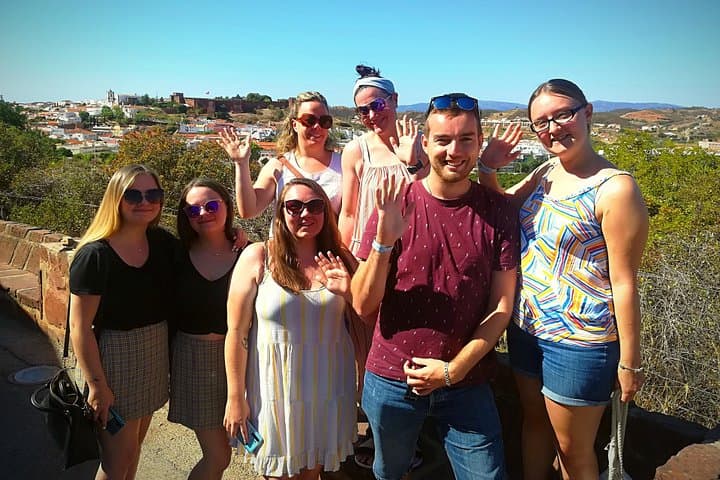
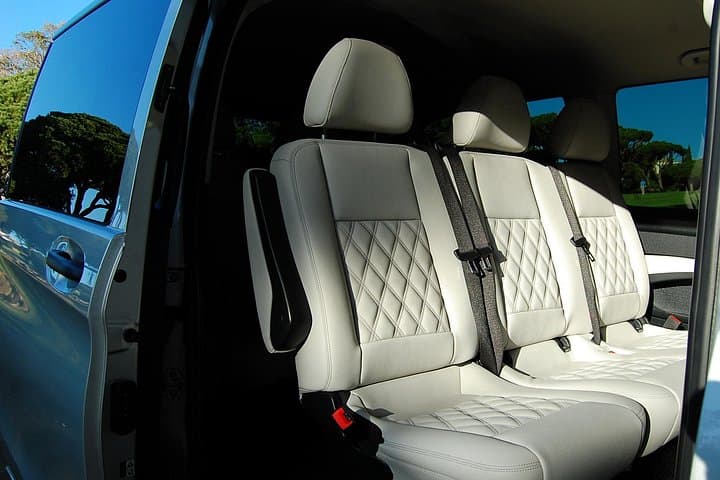
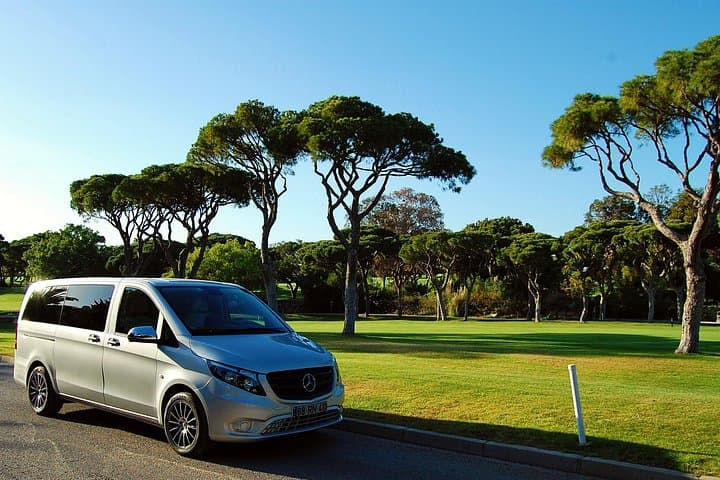
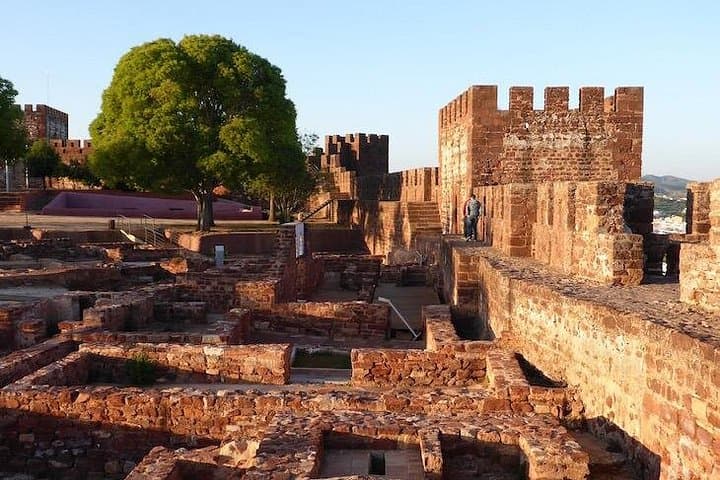
You step off the air-conditioned minivan and the Algarve opens in contrasts: ochre castle walls above a quiet river, then a turn of the road into pine-scented hills where a cold spring still gathers. The day moves deliberately — a castle climb in Silves, a cathedral doorway heavy with history, a forest trail that pushes you uphill to Monchique’s ridge, and finally a small family wine farm where you sit to taste.
You step off the air-conditioned minivan and the Algarve opens in contrasts: ochre castle walls above a quiet river, then a turn of the road into pine-scented hills where a cold spring still gathers. The day moves deliberately — a castle climb in Silves, a cathedral doorway heavy with history, a forest trail that pushes you uphill to Monchique’s ridge, and finally a small family wine farm where you sit to taste.
Silves was a Moorish stronghold and its 11th-century castle still reads like a map of medieval power; the town’s streets and cathedral show the layered Portuguese past. Geologically the Monchique massif is granite and schist, older and cooler than the coastal limestone plains — which is why cork oaks and eucalyptus thrive here and springs bubble from fractured bedrock.
Culturally the area pairs rural agriculture with seaside commerce; local vintners make small-production wines and old recipes for tapas. Expect a mix of stone steps and dirt tracks, brief interpretive stops, and about 90 minutes at a working wine estate where three wines and tapas illustrate production and taste.
Practical guidance: wear sturdy walking shoes for uneven castle steps and short forest trails, bring sun protection and a light layer for breezy ridgelines, and plan for an 8-hour private tour that includes pickups. Hydrate between tastings and use local guides’ context—history, grape varieties, and cave processes—to get more from each sip.