THE ADVENTURE COLLECTIVE® · Independent discovery and booking for outdoor travel

Hike a dramatic, partly ruined stretch of the Ming-era Great Wall from Simatai West to Jinshanling. This private full-day trek mixes restored watchtowers with wild, crumbly ridgelines and panoramic views — ideal for hikers ready for steep steps and uneven terrain.
Hike a dramatic, partly ruined stretch of the Ming-era Great Wall from Simatai West to Jinshanling. This private full-day trek mixes restored watchtowers with wild, crumbly ridgelines and panoramic views — ideal for hikers ready for steep steps and uneven terrain.
Morning light slices across granite ridgelines as hikers step from the Simatai West gate onto the original stonework of the Great Wall. The path immediately tests balance and curiosity: steep steps, ruined crenellations and watchtowers that lean like old sailors against the wind. Trees press close in valleys; exposed ridges fling open views of terraced slopes and distant villages.
Verified experiences and guided adventures in the surrounding area.
Operated by Lily's Tour Company · Beijing, Beijing
Morning light slices across granite ridgelines as hikers step from the Simatai West gate onto the original stonework of the Great Wall. The path immediately tests balance and curiosity: steep steps, ruined crenellations and watchtowers that lean like old sailors against the wind. Trees press close in valleys; exposed ridges fling open views of terraced slopes and distant villages.
This stretch of wall dates to the Ming dynasty and alternates between restored sections and wild, unrepaired masonry — a living record of frontier defense and the engineers who built switchback fortifications to follow the ridge. Geologically, the route rides a band of weathered metamorphic rock; expect hard, uneven surfaces and loose rubble in ruined segments. Local culture is present in roadside farmhouse restaurants that serve simple noodle soups and salted vegetables, a practical counterpoint to the grandeur on the ridge.
Practically, the hike runs about 3–4 hours on the wall itself; transfers add roughly 4–5 hours round trip from central Beijing depending on traffic. Trails range from well-preserved steps to narrow, crumbling ramps and occasional scrambleable sections — not technical climbing but requiring sure footing and steady knees. Carry layered clothing for breezy ridgelines, 1–2 liters of water, sturdy hiking shoes with good traction, and sunscreen.
Guided private tours include hotel pickup, lunch, and water; a transfer-only option suits experienced, self-guided hikers. Start early to avoid crowds and afternoon haze; on clear days the photo opportunities are outstanding. The wall both dares and rewards steady pacing.
The walking segment typically takes 3–4 hours depending on pace, rest stops and how much time you spend photographing watchtowers.
Children aged 6 and up may join, but adults should closely supervise on steep or ruined sections; the operator requires accompaniment for minors.
Guided private tours usually include entrance fees; confirm with the operator whether tickets and local parking fees are covered.
Yes — the tour offers a private transfer-only option for self-guided hikers, but you should be comfortable navigating uneven, partly ruined trail segments.
Lily's Tour Company operates guided outdoor trips and adventures with an emphasis on safety, stewardship, and memorable experiences.
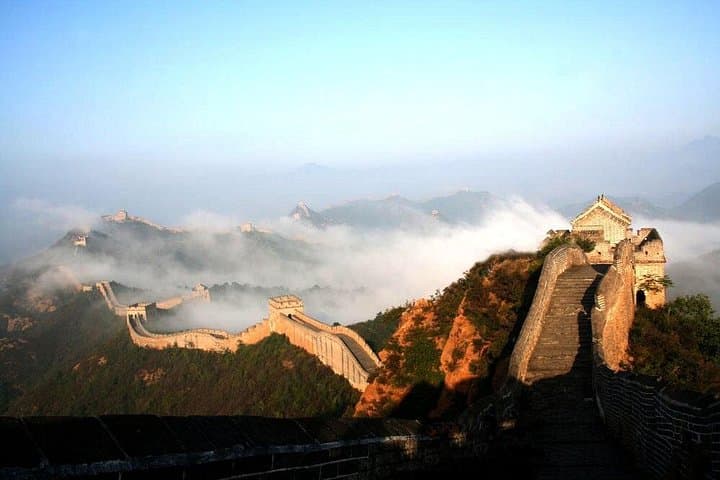
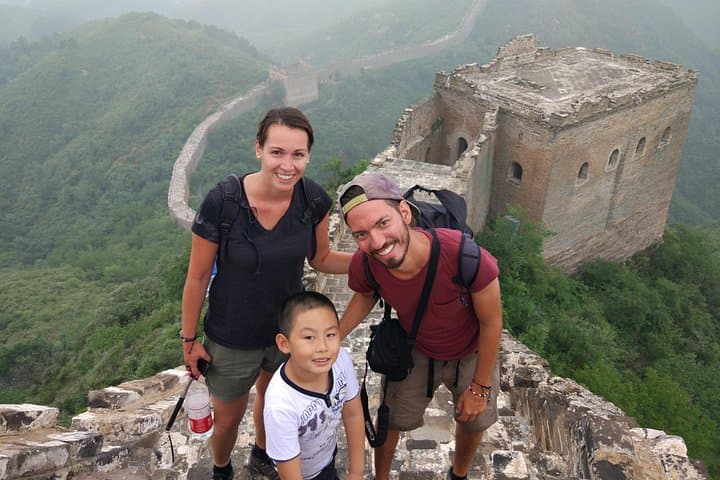
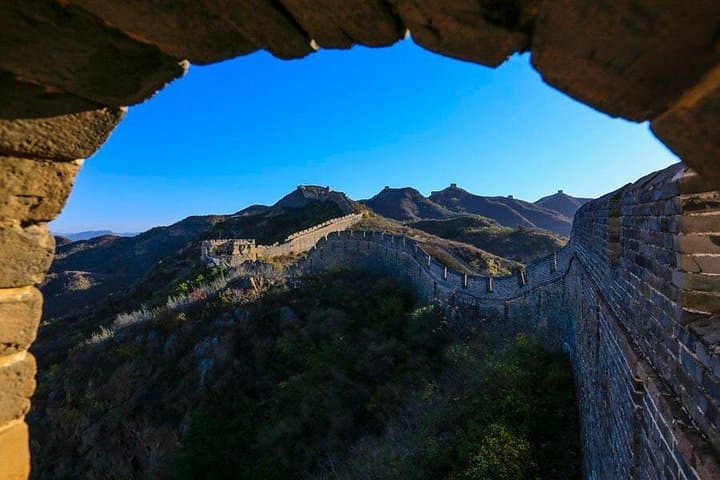
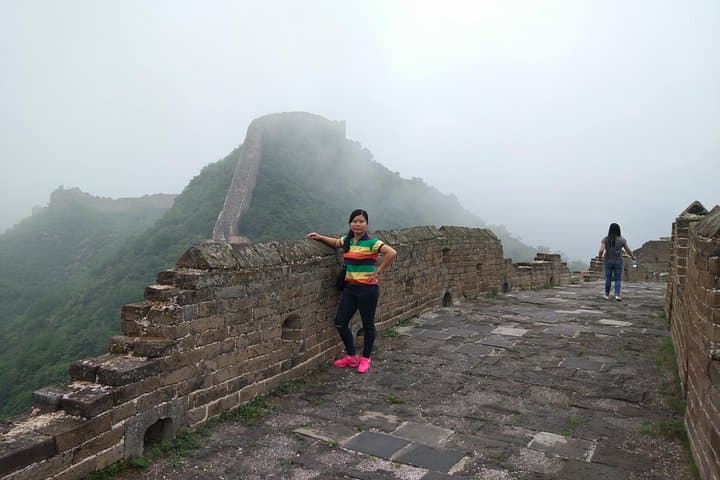
Morning light slices across granite ridgelines as hikers step from the Simatai West gate onto the original stonework of the Great Wall. The path immediately tests balance and curiosity: steep steps, ruined crenellations and watchtowers that lean like old sailors against the wind. Trees press close in valleys; exposed ridges fling open views of terraced slopes and distant villages.
Morning light slices across granite ridgelines as hikers step from the Simatai West gate onto the original stonework of the Great Wall. The path immediately tests balance and curiosity: steep steps, ruined crenellations and watchtowers that lean like old sailors against the wind. Trees press close in valleys; exposed ridges fling open views of terraced slopes and distant villages.
This stretch of wall dates to the Ming dynasty and alternates between restored sections and wild, unrepaired masonry — a living record of frontier defense and the engineers who built switchback fortifications to follow the ridge. Geologically, the route rides a band of weathered metamorphic rock; expect hard, uneven surfaces and loose rubble in ruined segments. Local culture is present in roadside farmhouse restaurants that serve simple noodle soups and salted vegetables, a practical counterpoint to the grandeur on the ridge.
Practically, the hike runs about 3–4 hours on the wall itself; transfers add roughly 4–5 hours round trip from central Beijing depending on traffic. Trails range from well-preserved steps to narrow, crumbling ramps and occasional scrambleable sections — not technical climbing but requiring sure footing and steady knees. Carry layered clothing for breezy ridgelines, 1–2 liters of water, sturdy hiking shoes with good traction, and sunscreen.
Guided private tours include hotel pickup, lunch, and water; a transfer-only option suits experienced, self-guided hikers. Start early to avoid crowds and afternoon haze; on clear days the photo opportunities are outstanding. The wall both dares and rewards steady pacing.