THE ADVENTURE COLLECTIVE® · Independent discovery and booking for outdoor travel

Spend an hour with Joan Miró’s 1965 Cavall Fort cover and a focused conversation about art, language and Catalan identity at the MEV in Vic. Short, sharp and place-specific, this talk reframes a small graphic object as a civic act worth seeing while in town.
Spend an hour with Joan Miró’s 1965 Cavall Fort cover and a focused conversation about art, language and Catalan identity at the MEV in Vic. Short, sharp and place-specific, this talk reframes a small graphic object as a civic act worth seeing while in town.
Book with Museu Episcopal de Vic
Verified experiences and guided adventures in the surrounding area.
Operated by Museu Episcopal de Vic · Vic, Catalunya
In the medieval streets of Vic, Catalunya, Spain, a compact but fierce conversation—Símbol i identitat: Miró i la llengua catalana—offers visitors a concentrated dose of art, language and local memory. Held at the MEV, the program centers on Joan Miró’s 1965 cover for the magazine Cavall Fort, a small yet potent object created during the Franco era that reveals the artist’s ties to Catalan culture and his commitment to language and education.
The session pairs critic Xavier Antich with writer Marta Marín-Dòmine in a guided dialogue that traces how symbols, visual motifs and collective memory move through Miró’s practice. The talk draws on scholarship and lived history, using the 1965 cover as a lens: the flat planes of color, playful glyphs and hand-drawn letterforms that read as both children’s illustration and political signal. Attendees leave with a clearer sense of how an artwork can function as cultural infrastructure—an assertion of identity when public institutions were constrained.
For travelers, this hour-long event is a precise cultural detour from the region’s hiking, markets and Romanesque churches. Vic itself is a practical base: compact enough for a walking visit between café stops and the weekly market, the MEV’s galleries make art accessible to non-specialists while rewarding close looking. The program’s emphasis on language and education gives visitors context for Catalonia’s contemporary public life: Miró’s cover is not only an image but evidence of networks—editors, teachers, artists—who kept the language in circulation.
Why book this while in Vic? It’s short, focused and deeply place-specific. Unlike a general museum tour, the conversation threads together art history, politics and pedagogy in a way that illuminates other sites in town—plaça Major, local bookshops and the cathedral precinct. For translators, teachers and curious travelers, the talk reframes a single small object as a site of resistance and cultural care.
Practical notes: the event runs about an hour; check the linked booking for dates and availability. Bring a notebook and an appetite for tight argument and close visual analysis. Whether you’re visiting between hikes in the Catalan pre-Pyrenees or planning a slow cultural weekend, Símbol i identitat offers an exact, intelligent encounter with one of the 20th century’s most colorful interlocutors: Miró.
Because the program focuses on a single iconic graphic object rather than a sweeping survey, it privileges close looking and conversation—precisely the cultural concentration that complements active travel in Osona. Pair the visit with a walk across Vic’s medieval grid, a stop at a café by the river and the weekly Plaça Major market; local rhythms help you connect the work on the wall to everyday civic life. Check the booking link for dates and capacity, and allow time to quietly linger in galleries and read labels.
The program title and speakers are Catalan-language oriented; check the booking page for language details or translation options for specific dates.
The session runs about one hour—plan for additional time to visit the galleries before or after.
The listing notes the MEV as the host; confirm the exact room and entrance on your booking confirmation.
Museum photography policies vary; take photos only where permitted and follow staff guidance on flash and distance.
Accessibility details were not provided in the listing—contact the museum directly or check the booking link for accessibility information.
Yes—pair the talk with a walk around Plaça Major, the cathedral precinct, or the weekly market for a fuller visit to Vic.
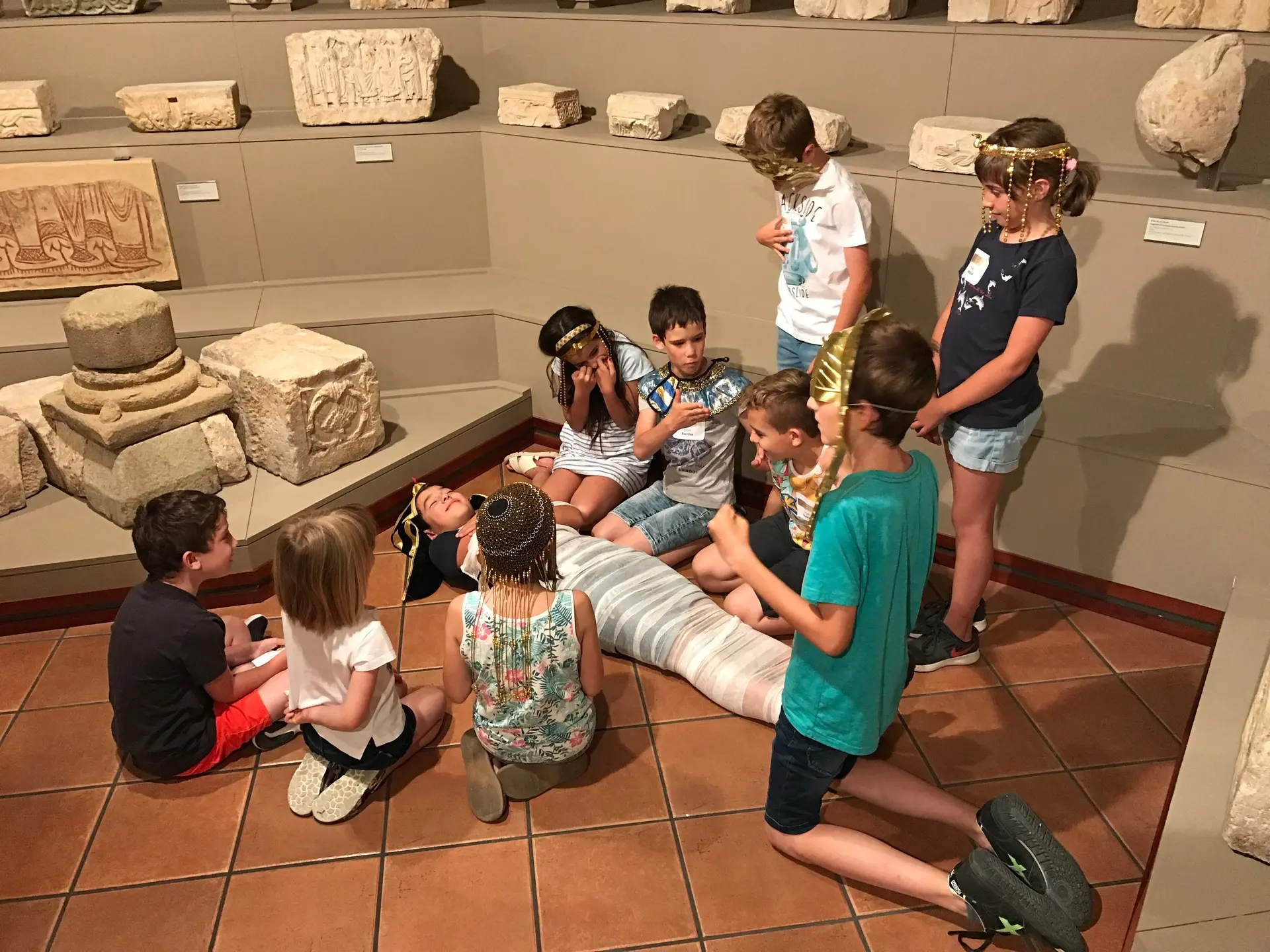
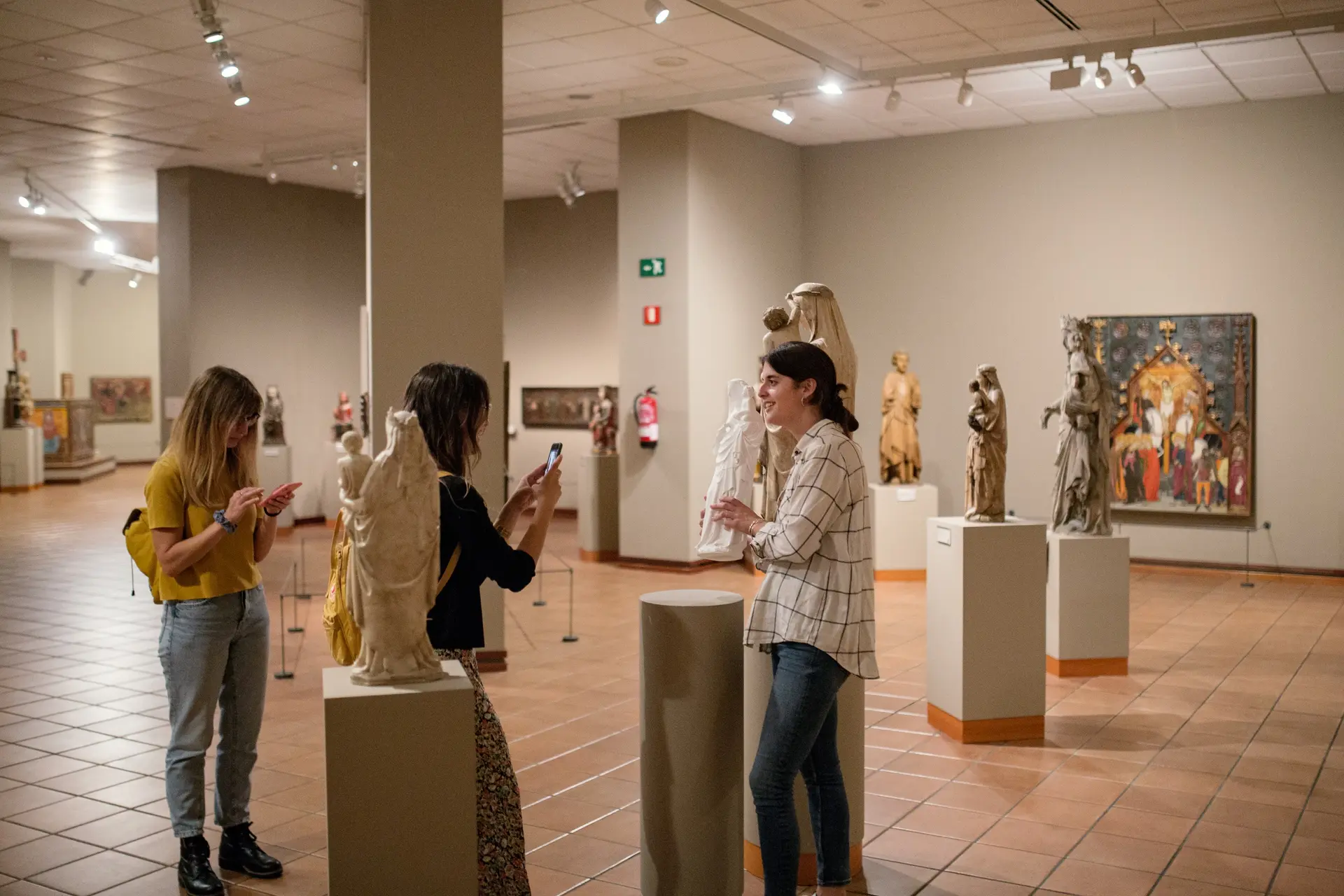
Museu Episcopal de Vic preserves and exhibits one of Catalonia’s most important collections of medieval art, with a particular focus on Romanesque and Gothic painting and decorative arts. Located in Vic, Catalunya, the museum presents altarpieces, retables, sculptures, and religious objects that illustrate medieval artistic techniques and regional identity. The MEV offers a range of visitor options including general admission, guided tours, family-oriented workshops, and an annual membership that provides unlimited access for a year. Exhibitions are displayed alongside interpretive labels and digital resources that help contextualize works of art and make medieval material culture accessible to diverse audiences. Guided experiences include themed tours such as studies of animals in medieval imagery, daily life in the Middle Ages, and masterworks of Catalan art. Family programs use storytelling, observation, and interactive activities to engage children aged 5–12, while specialty sessions explore topics such as ancient Egypt within a museum setting. The museum operates with professional curatorial staff and educational personnel who design programs for schools, families, and adult visitors. Conservation and presentation follow museum standards to preserve fragile works and communicate their historical significance. As a public cultural institution in Vic, the Museu Episcopal de Vic serves both residents and visitors seeking to explore Catalonia’s medieval heritage through original objects, careful interpretation, and hands-on learning opportunities. The Museu Episcopal de Vic integrates innovative digital experiences and multimedia displays that complement physical objects. Information is presented clearly to support research, school visits, tourist exploration, and independent study of medieval art and preservation.

Book with Museu Episcopal de Vic