THE ADVENTURE COLLECTIVE® · Independent discovery and booking for outdoor travel

Move from Gondar’s imperial castles into the wind‑cut ridges of the Simien Mountains on a four‑day trek featuring Gelada troops, a 530 m waterfall, high camps and the chance to see the endemic Walia ibex. This trip blends cultural sights with highland trekking.
Move from Gondar’s imperial castles into the wind‑cut ridges of the Simien Mountains on a four‑day trek featuring Gelada troops, a 530 m waterfall, high camps and the chance to see the endemic Walia ibex. This trip blends cultural sights with highland trekking.
Morning light spills over Gondar’s royal castles and then the road climbs, trading stonework for wind-scoured escarpments and open sky. On this four‑day route you’ll move from the crownwork of emperors to highland camps where tents sit under a ceiling of stars and Gelada monkeys patrol the plateau like noisy sentries.
Verified experiences and guided adventures in the surrounding area.
Operated by Zagol Ethiopia Tours · Gondar, Amhara
Morning light spills over Gondar’s royal castles and then the road climbs, trading stonework for wind-scoured escarpments and open sky. On this four‑day route you’ll move from the crownwork of emperors to highland camps where tents sit under a ceiling of stars and Gelada monkeys patrol the plateau like noisy sentries.
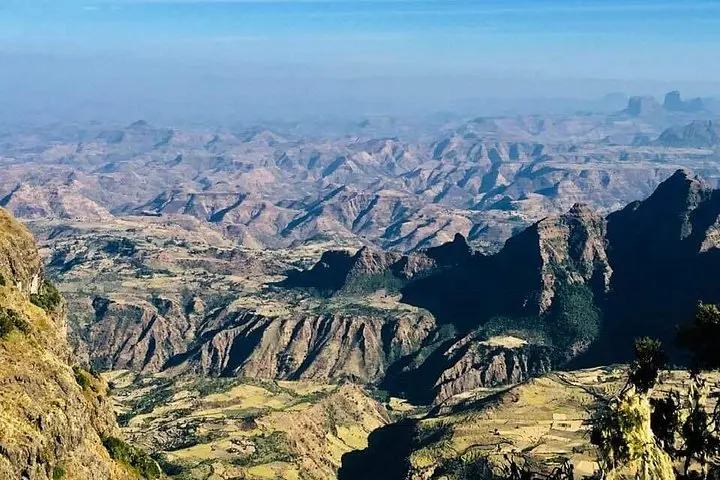
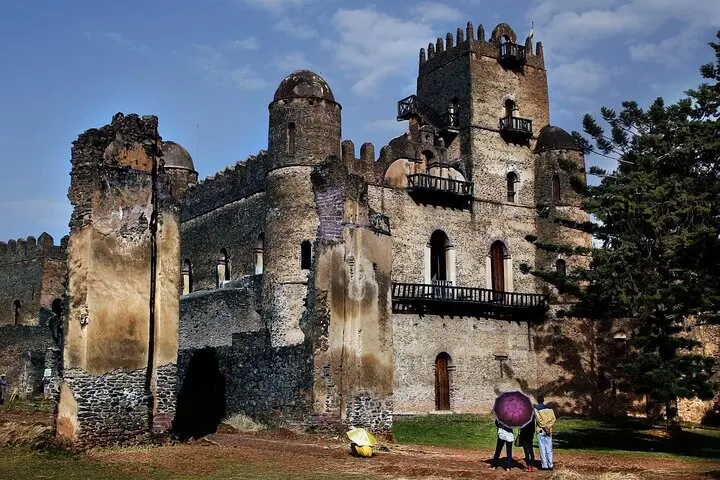
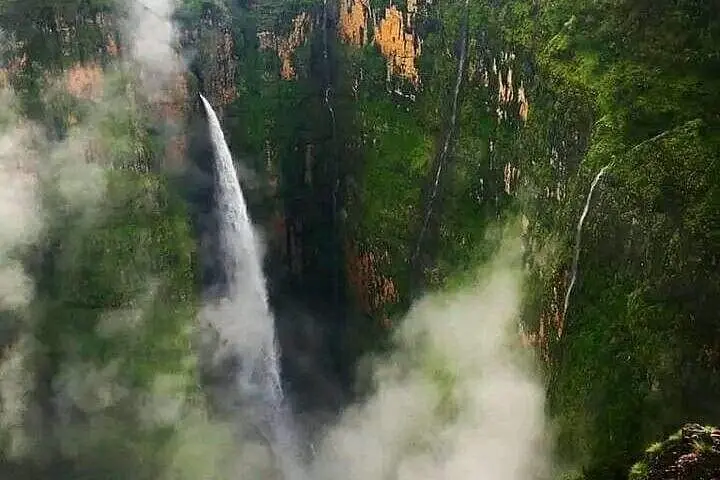
Gondar’s 17th‑century castles and the painted ceilings of Debre Berhan Selassie introduce the region’s imperial past before a domestic transfer takes you up onto the Simien escarpment. The Simien massif is ancient volcanic rock carved into steep cliffs and deep valleys; you’ll pass Sankabar Camp at about 3,250 m and Chennek at 3,620 m, with an optional ascent to Mount Enatye (4,070 m) and the longer push toward Mount Buahit (~4,430 m). Expect undulating trails, rocky ribbed ridgelines, and the 530‑meter drop of Jinbar (Rossi) waterfall, one of Ethiopia’s tallest.
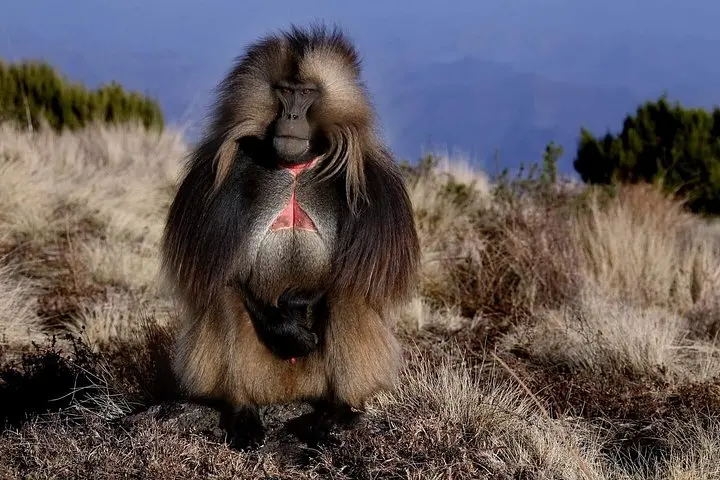
Culturally, the highlands are Agew and Amhara country—villages, terrace farming and Orthodox churches dot the low slopes below the park. Wildlife highlights include Gelada baboons and the endemic Walia ibex, best spotted from higher ridges at dawn or dusk.
Practical guidance: the trek is high‑altitude and multi‑day—carry layered clothing, a warm sleeping bag, and at least 2–3 liters of water capacity. Trails can be muddy after rains (June–September); the best window for clear skies and firm ground is October–February. Guides handle permits and logistics; bring cash for village purchases and tip expectations. With steady pacing and respect for altitude, this trip balances dramatic viewpoints with accessible camping and classic Ethiopian cultural stops in Gondar.
The route reaches 4,070–4,430 m on optional ascents; hikers should be prepared for thinner air and possible mild altitude symptoms—acclimatize in Gondar and maintain a slow pace.
No technical camping skills are required; guides and crew set up tents and handle meals, but you should be comfortable sleeping in a tent and managing a daypack.
October–February offers the driest, clearest conditions and firm trails; avoid the main rainy season (June–August) if possible.
Gelada troops are commonly seen near Sankabar and along the escarpment. Walia ibex sightings are less frequent but more likely from higher ridgelines near Buahit in early morning or late afternoon.
Zagol Ethiopia Tours operates guided outdoor trips and adventures with an emphasis on safety, stewardship, and memorable experiences.
Morning light spills over Gondar’s royal castles and then the road climbs, trading stonework for wind-scoured escarpments and open sky. On this four‑day route you’ll move from the crownwork of emperors to highland camps where tents sit under a ceiling of stars and Gelada monkeys patrol the plateau like noisy sentries.
Morning light spills over Gondar’s royal castles and then the road climbs, trading stonework for wind-scoured escarpments and open sky. On this four‑day route you’ll move from the crownwork of emperors to highland camps where tents sit under a ceiling of stars and Gelada monkeys patrol the plateau like noisy sentries.
Gondar’s 17th‑century castles and the painted ceilings of Debre Berhan Selassie introduce the region’s imperial past before a domestic transfer takes you up onto the Simien escarpment. The Simien massif is ancient volcanic rock carved into steep cliffs and deep valleys; you’ll pass Sankabar Camp at about 3,250 m and Chennek at 3,620 m, with an optional ascent to Mount Enatye (4,070 m) and the longer push toward Mount Buahit (~4,430 m). Expect undulating trails, rocky ribbed ridgelines, and the 530‑meter drop of Jinbar (Rossi) waterfall, one of Ethiopia’s tallest.
Culturally, the highlands are Agew and Amhara country—villages, terrace farming and Orthodox churches dot the low slopes below the park. Wildlife highlights include Gelada baboons and the endemic Walia ibex, best spotted from higher ridges at dawn or dusk.
Practical guidance: the trek is high‑altitude and multi‑day—carry layered clothing, a warm sleeping bag, and at least 2–3 liters of water capacity. Trails can be muddy after rains (June–September); the best window for clear skies and firm ground is October–February. Guides handle permits and logistics; bring cash for village purchases and tip expectations. With steady pacing and respect for altitude, this trip balances dramatic viewpoints with accessible camping and classic Ethiopian cultural stops in Gondar.