THE ADVENTURE COLLECTIVE® · Independent discovery and booking for outdoor travel

Combine award-winning architecture with one of Japan’s most iconic coastal shrines on a private day tour from Hiroshima. Visit the Simose Art Museum by Shigeru Ban and the ‘floating’ torii of Itsukushima while an English guide handles logistics.
Combine award-winning architecture with one of Japan’s most iconic coastal shrines on a private day tour from Hiroshima. Visit the Simose Art Museum by Shigeru Ban and the ‘floating’ torii of Itsukushima while an English guide handles logistics.
A cool morning fog lifts off the Inland Sea as the group meets at Hiroshima Station’s Shinkansen exit. The guide — holding a discreet flag — leads a short train ride toward Miyajimaguchi, and within an hour the ferry is cutting through tidal glass toward the island where the torii appears to float on the horizon.
Verified experiences and guided adventures in the surrounding area.
Operated by H.I.S.Co., Ltd. · Hatsukaichi, Hiroshima Prefecture
A cool morning fog lifts off the Inland Sea as the group meets at Hiroshima Station’s Shinkansen exit. The guide — holding a discreet flag — leads a short train ride toward Miyajimaguchi, and within an hour the ferry is cutting through tidal glass toward the island where the torii appears to float on the horizon.
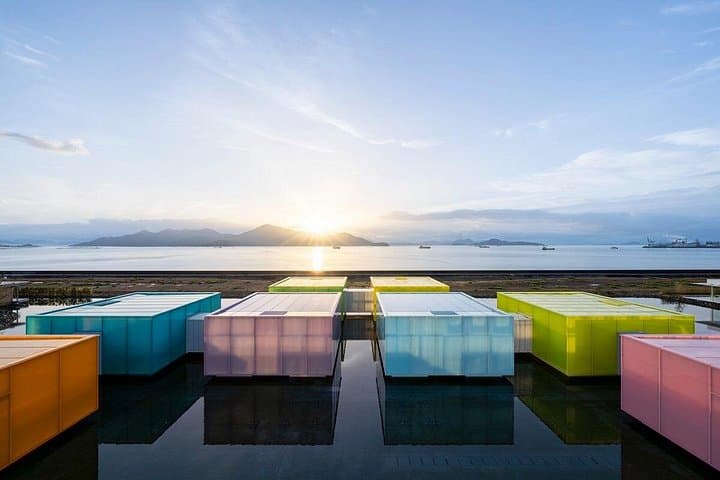
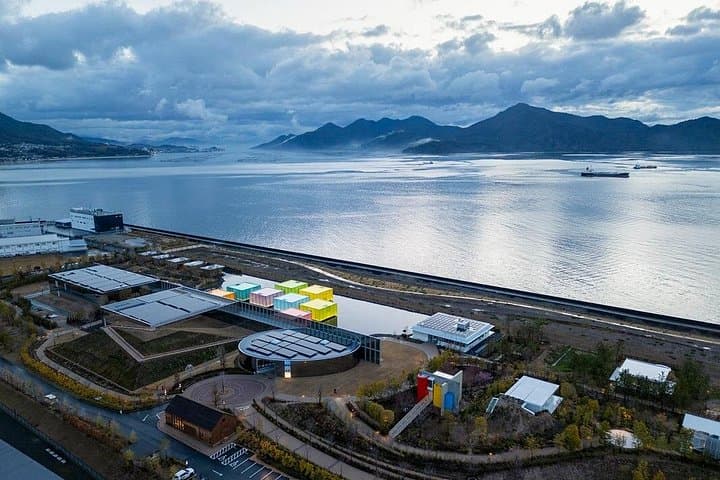
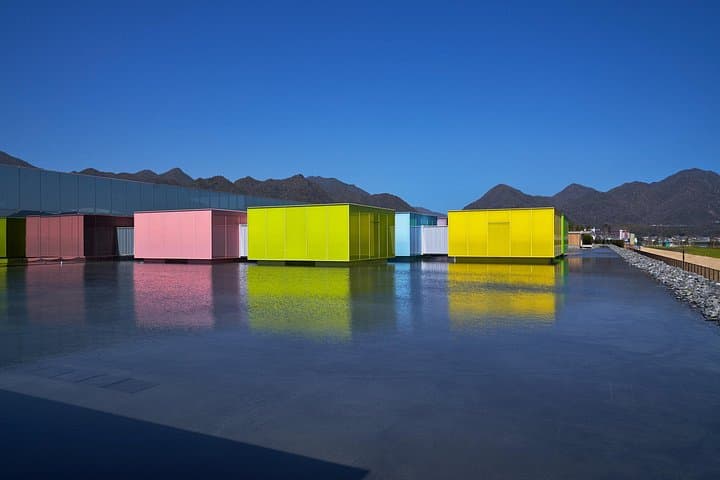
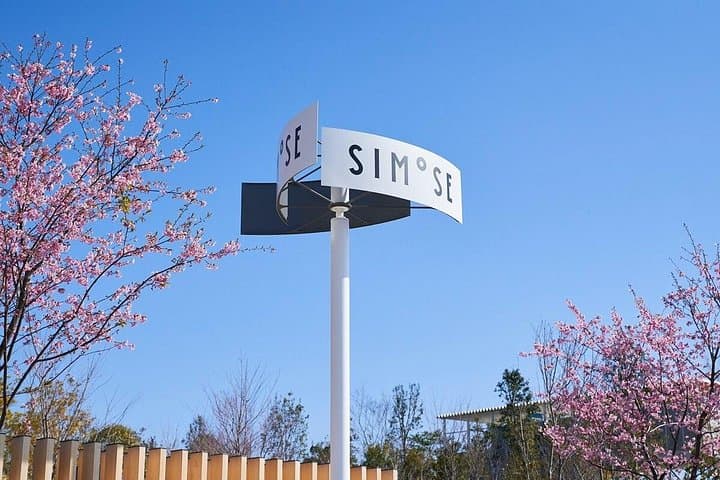
The day pairs modern architectural intent with ancient ritual. The Simose Art Museum, a work by Shigeru Ban awarded the Prix Versailles by UNESCO, makes the most of waterfront light: movable box galleries and a main building that frames Setouchi’s islands. Its exhibitions range from contemporary works to local craft, and the building itself reads like a study in timber, glass and coastal geometry.
Across the water, Itsukushima Shrine tells a different story — a Shinto complex raised on stilts with a vermilion torii that rises and falls with the tide. The shrine’s layout and the island’s cedar groves reflect centuries of religious practice and a coastline shaped by uplift and currents in the Seto Inland Sea.
Practically: expect around eight hours of mostly low-key walking on paved paths and short stair sections; ferry and train segments take roughly 40 minutes one-way from Hiroshima. The tour includes English guide service, admission fees and a ferry ticket; public transport is used and seats aren’t reserved. Weekends and festivals bring crowds, and typhoons can cancel service. Bring comfortable shoes, a light rain layer, cash for snacks and an extra battery for photography — Miyajima rewards slow, deliberate observation.
The private tour lasts about eight hours and includes admission fees noted, a ferry ticket, bottled water and an English-speaking guide; transport uses a mix of private and public options.
The guide meets at Hiroshima Station Shinkansen exit and returns there at the end of the day.
Yes — guides can often adjust stops, though added admissions or extra transport fees may apply and timings can shift.
Tours are canceled for severe weather such as typhoons with a full refund; routine weather may alter schedules but not always cancel the trip.
H.I.S.Co., Ltd. operates guided outdoor trips and adventures with an emphasis on safety, stewardship, and memorable experiences.
A cool morning fog lifts off the Inland Sea as the group meets at Hiroshima Station’s Shinkansen exit. The guide — holding a discreet flag — leads a short train ride toward Miyajimaguchi, and within an hour the ferry is cutting through tidal glass toward the island where the torii appears to float on the horizon.
A cool morning fog lifts off the Inland Sea as the group meets at Hiroshima Station’s Shinkansen exit. The guide — holding a discreet flag — leads a short train ride toward Miyajimaguchi, and within an hour the ferry is cutting through tidal glass toward the island where the torii appears to float on the horizon.
The day pairs modern architectural intent with ancient ritual. The Simose Art Museum, a work by Shigeru Ban awarded the Prix Versailles by UNESCO, makes the most of waterfront light: movable box galleries and a main building that frames Setouchi’s islands. Its exhibitions range from contemporary works to local craft, and the building itself reads like a study in timber, glass and coastal geometry.
Across the water, Itsukushima Shrine tells a different story — a Shinto complex raised on stilts with a vermilion torii that rises and falls with the tide. The shrine’s layout and the island’s cedar groves reflect centuries of religious practice and a coastline shaped by uplift and currents in the Seto Inland Sea.
Practically: expect around eight hours of mostly low-key walking on paved paths and short stair sections; ferry and train segments take roughly 40 minutes one-way from Hiroshima. The tour includes English guide service, admission fees and a ferry ticket; public transport is used and seats aren’t reserved. Weekends and festivals bring crowds, and typhoons can cancel service. Bring comfortable shoes, a light rain layer, cash for snacks and an extra battery for photography — Miyajima rewards slow, deliberate observation.