
Sinharaja Rain Forest Day Hike: Trek with a Naturalist in Sri Lanka's Biodiversity Hotspot
Spend a full day with a naturalist trekking Sinharaja Rain Forest, a UNESCO World Heritage lowland evergreen reserve rich in endemic birds and primates. This guided day-hike combines steep, muddy trails with expert wildlife spotting and a village-flavored lunch.
An Adventure In Deniyaya.
Spend a full day with a naturalist trekking Sinharaja Rain Forest, a UNESCO World Heritage lowland evergreen reserve rich in endemic birds and primates. This guided day-hike combines steep, muddy trails with expert wildlife spotting and a village-flavored lunch.
Read the full experience
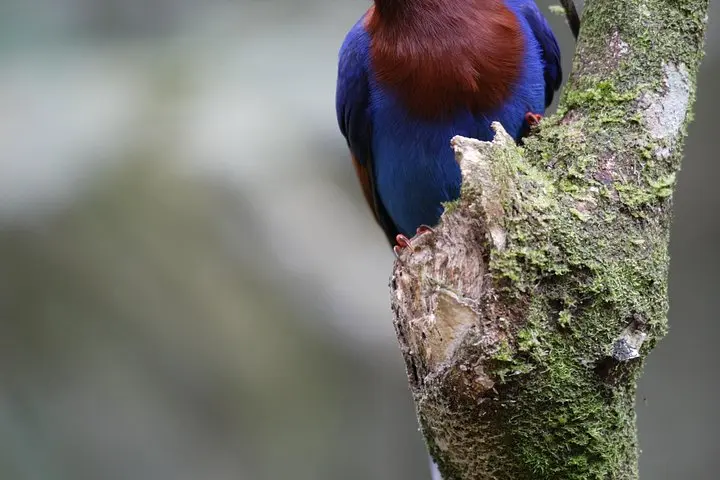
Mist lifts from a green ceiling as you step from the vehicle and into a world that breathes. The canopy closes like a door; leaves drip and sunlight finds the trail in thin ribbons. A naturalist leads, voice low against the rain, pointing to a flash of blue—a Sri Lanka blue magpie—before the forest reclaims the sound.
Mist lifts from a green ceiling as you step from the vehicle and into a world that breathes. The canopy closes like a door; leaves drip and sunlight finds the trail in thin ribbons. A naturalist leads, voice low against the rain, pointing to a flash of blue—a Sri Lanka blue magpie—before the forest reclaims the sound.
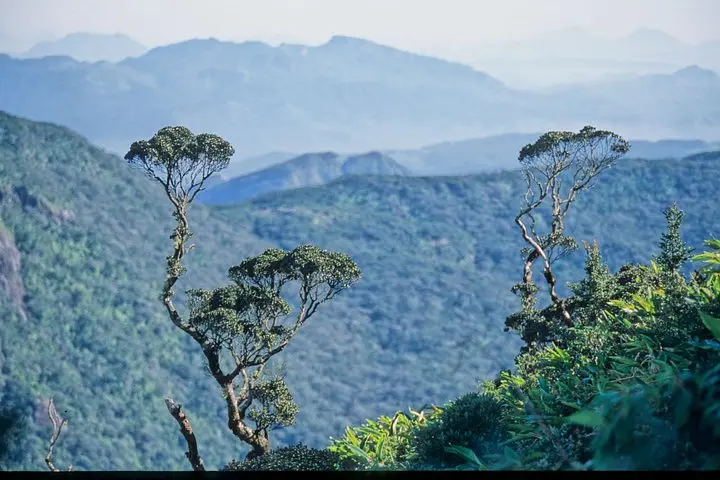
Sinharaja is a lowland tropical wet evergreen forest and a UNESCO World Heritage site since 1989. Geologically it sits on ancient crystalline rock, carved into steep ridges and narrow valleys that funnel rainfall into fast streams. Culturally the reserve is woven into local legend—the name Sinharaja, "Lion King," ties to origin myths of the Sinhala people—and nearby villages still practice traditional agroforestry and small-scale tea cultivation.
Expect narrow, root-strewn tracks, muddy steps after rain and occasional stream crossings where currents press against your boot soles. The biodiversity is what pulls most visitors: a staggering share of Sri Lanka’s endemic birds, shy primates like the purple-faced langur, and elusive amphibians. The guided trek includes interpretation, a mid-hike lunch, and return transport in an air-conditioned vehicle.
Practicalities: plan for an 8–9 hour day with moderate fitness; trails can be slippery and uneven. Wear waterproof hiking shoes, bring a breathable rain jacket, insect repellent, and at least 2 liters of water. Morning starts are best for bird activity; follow your guide, stay on marked trails, and pack out waste. The forest rewards patience—listen to the rain and let the place reveal itself slowly.
Frequently asked questions
Yes—entry to the reserve is regulated and visits are typically conducted with licensed naturalist guides who handle entry fees and navigate trails.
Children may join but the tour notes infants must sit on laps and the trek can be physically demanding; check age restrictions and comfort with long vehicle transfers.
Trails can become slippery and root-exposed with stream crossings; expect slow progress and bring appropriate footwear—guides will adjust route safety as needed.
Organized day tours generally include hotel pickup and return in an air-conditioned vehicle; confirm pickup point and times when booking.
About This Experience
Rameca Travel and Leisure (Pvt) Ltd operates guided outdoor trips and adventures with an emphasis on safety, stewardship, and memorable experiences.
Adventure tips
Recommended gear
- Waterproof hiking shoes: Keeps footing secure on rooty, muddy trails and protects feet during stream crossings.
- Lightweight rain jacket: Quick storms are common—breathable waterproof layers keep you dry without overheating.
- Insect repellent and leech socks: Protects against mosquitoes and leeches, especially after rain when invertebrate activity rises.
- Binoculars: Helps pick out endemic birds and canopy behavior without disturbing wildlife.
Photos of the experience
Related adventures & guides
Read the full experience
Mist lifts from a green ceiling as you step from the vehicle and into a world that breathes. The canopy closes like a door; leaves drip and sunlight finds the trail in thin ribbons. A naturalist leads, voice low against the rain, pointing to a flash of blue—a Sri Lanka blue magpie—before the forest reclaims the sound.
Mist lifts from a green ceiling as you step from the vehicle and into a world that breathes. The canopy closes like a door; leaves drip and sunlight finds the trail in thin ribbons. A naturalist leads, voice low against the rain, pointing to a flash of blue—a Sri Lanka blue magpie—before the forest reclaims the sound.
Sinharaja is a lowland tropical wet evergreen forest and a UNESCO World Heritage site since 1989. Geologically it sits on ancient crystalline rock, carved into steep ridges and narrow valleys that funnel rainfall into fast streams. Culturally the reserve is woven into local legend—the name Sinharaja, "Lion King," ties to origin myths of the Sinhala people—and nearby villages still practice traditional agroforestry and small-scale tea cultivation.
Expect narrow, root-strewn tracks, muddy steps after rain and occasional stream crossings where currents press against your boot soles. The biodiversity is what pulls most visitors: a staggering share of Sri Lanka’s endemic birds, shy primates like the purple-faced langur, and elusive amphibians. The guided trek includes interpretation, a mid-hike lunch, and return transport in an air-conditioned vehicle.
Practicalities: plan for an 8–9 hour day with moderate fitness; trails can be slippery and uneven. Wear waterproof hiking shoes, bring a breathable rain jacket, insect repellent, and at least 2 liters of water. Morning starts are best for bird activity; follow your guide, stay on marked trails, and pack out waste. The forest rewards patience—listen to the rain and let the place reveal itself slowly.
Make a day of it nearby.
Verified experiences and guided adventures in the surrounding area.