THE ADVENTURE COLLECTIVE® · Independent discovery and booking for outdoor travel

Leave Colombo for a full-day guided trek into Sinharaja Rain Forest, a UNESCO World Heritage site famed for endemic birds and dense lowland rainforest. Expect 4–6 km of uneven, often muddy trails, guided wildlife spotting, and short waterfall stops.
Leave Colombo for a full-day guided trek into Sinharaja Rain Forest, a UNESCO World Heritage site famed for endemic birds and dense lowland rainforest. Expect 4–6 km of uneven, often muddy trails, guided wildlife spotting, and short waterfall stops.
The morning air thins as the city falls away and the road narrows toward the green heart of southwest Sri Lanka. By the time the bus pulls into the reserve entrance, leaves are already whispering and the forest seems to watch you approach — lianas sweep like curtains and rivulets dare you to follow their cool paths.
Verified experiences and guided adventures in the surrounding area.
Operated by Classical Lanka Tours · Deniyaya, Southern Province
The morning air thins as the city falls away and the road narrows toward the green heart of southwest Sri Lanka. By the time the bus pulls into the reserve entrance, leaves are already whispering and the forest seems to watch you approach — lianas sweep like curtains and rivulets dare you to follow their cool paths.
Sinharaja is a UNESCO World Heritage site and a biosphere reserve recognized for its high rate of endemic species. Geologically, the reserve sits on ancient Precambrian formations; heavy rainfall has carved slick trails, shallow gullies, and small cascades into lateritic soils. Culturally, nearby villages around Deniyaya and Kudawa have long lived with the forest, drawing medicinal plants and seasonal crops without the mechanized extractive pressures seen elsewhere.
Expect a guided 4–5 hour walk on uneven jungle trails — roughly 4–6 km of trekking with intermittent elevation changes (100–200 m total gain). The soundscape is dominated by birdsong, rustling undergrowth, and occasional primate calls; guides point out endemic species and explain local uses for plants. There are shallow pools and short waterfalls where you can rest and cool your feet.
Practically: start early to avoid heat and maximize wildlife activity, wear sturdy waterproof shoes for muddy sections, bring a lightweight rain shell and insect repellent, and carry at least 1–1.5 liters of water. Respect trail markers, keep voices low, and follow the guide’s lead — the forest is fragile and best experienced slowly.
A day here feels like entering a living archive: ancient rock, relentless rain, and a concentrated wildness that rewards patient observation.
The guided forest portion is typically 3–5 hours covering about 4–6 km, depending on sightings and route; the full tour from Colombo is 8–10 hours including travel.
Yes—operators list the tour as suitable for all fitness levels, but expect uneven, muddy paths; bring extra support or shorter legs’ pace into account.
Common sightings include endemic birds (e.g., Sri Lanka blue magpie), purple-faced langurs, butterflies, and insects; sightings aren’t guaranteed and depend on time of day and quiet observation.
According to the tour details, entrance fees and lunch are included, along with bottled water and private transport from Colombo.
Classical Lanka Tours operates guided outdoor trips and adventures with an emphasis on safety, stewardship, and memorable experiences.

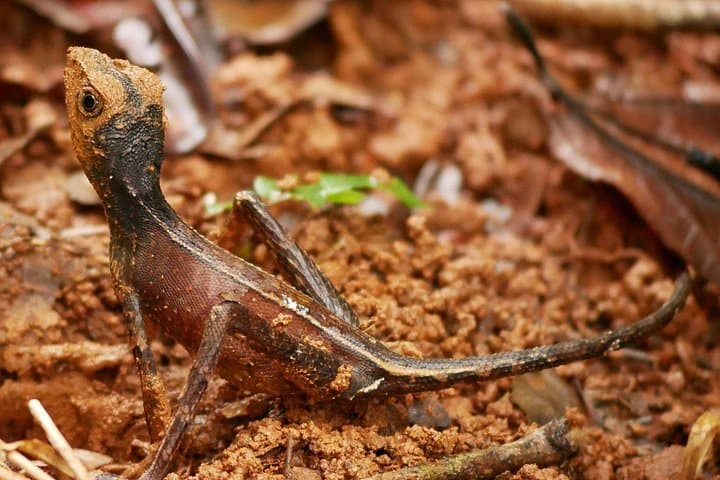
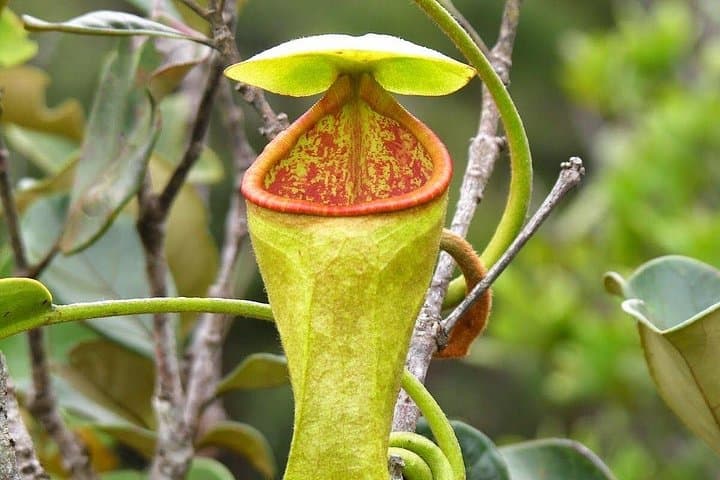

The morning air thins as the city falls away and the road narrows toward the green heart of southwest Sri Lanka. By the time the bus pulls into the reserve entrance, leaves are already whispering and the forest seems to watch you approach — lianas sweep like curtains and rivulets dare you to follow their cool paths.
The morning air thins as the city falls away and the road narrows toward the green heart of southwest Sri Lanka. By the time the bus pulls into the reserve entrance, leaves are already whispering and the forest seems to watch you approach — lianas sweep like curtains and rivulets dare you to follow their cool paths.
Sinharaja is a UNESCO World Heritage site and a biosphere reserve recognized for its high rate of endemic species. Geologically, the reserve sits on ancient Precambrian formations; heavy rainfall has carved slick trails, shallow gullies, and small cascades into lateritic soils. Culturally, nearby villages around Deniyaya and Kudawa have long lived with the forest, drawing medicinal plants and seasonal crops without the mechanized extractive pressures seen elsewhere.
Expect a guided 4–5 hour walk on uneven jungle trails — roughly 4–6 km of trekking with intermittent elevation changes (100–200 m total gain). The soundscape is dominated by birdsong, rustling undergrowth, and occasional primate calls; guides point out endemic species and explain local uses for plants. There are shallow pools and short waterfalls where you can rest and cool your feet.
Practically: start early to avoid heat and maximize wildlife activity, wear sturdy waterproof shoes for muddy sections, bring a lightweight rain shell and insect repellent, and carry at least 1–1.5 liters of water. Respect trail markers, keep voices low, and follow the guide’s lead — the forest is fragile and best experienced slowly.
A day here feels like entering a living archive: ancient rock, relentless rain, and a concentrated wildness that rewards patient observation.