THE ADVENTURE COLLECTIVE® · Independent discovery and booking for outdoor travel

Spend an immersive day walking Sri Lanka's Sinharaja Forest Reserve with a private guide. This UNESCO biosphere offers steep, rooty trails, endemic wildlife, and a cultural route back through rubber plantations and village lanes.
Spend an immersive day walking Sri Lanka's Sinharaja Forest Reserve with a private guide. This UNESCO biosphere offers steep, rooty trails, endemic wildlife, and a cultural route back through rubber plantations and village lanes.
You step off the vehicle into a green hush—the air thick with warm, wet leaves and the distant call of a hornbill. Early morning fog threads the gullies, and the trail slips into shadow beneath a canopy older than the villages that fringe it. This is Sinharaja: a compact, hilly lowland rainforest where trunks moss over and streams dare you to cross.
Verified experiences and guided adventures in the surrounding area.
Operated by daytoursrilanka · Deniyaya, Southern Province
You step off the vehicle into a green hush—the air thick with warm, wet leaves and the distant call of a hornbill. Early morning fog threads the gullies, and the trail slips into shadow beneath a canopy older than the villages that fringe it. This is Sinharaja: a compact, hilly lowland rainforest where trunks moss over and streams dare you to cross.
Designated a UNESCO World Heritage Site (1988) and a biosphere reserve (1978), Sinharaja occupies roughly 21 km east–west and up to 7 km north–south. Geologically it sits on weathered Precambrian rock and steep ridges; trails move through undulating terrain with climbs of several hundred meters across root-strewn paths and muddy sections. Cultural threads run close—plantation and village life skirt the reserve, and local guides pass down knowledge of medicinal plants and endemic wildlife.
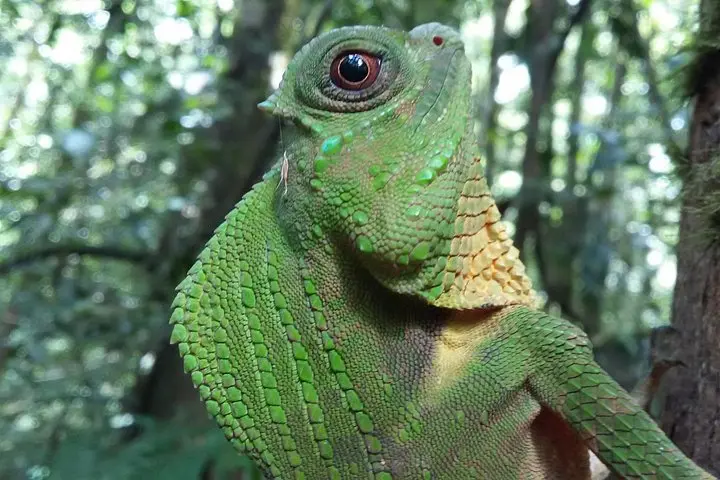
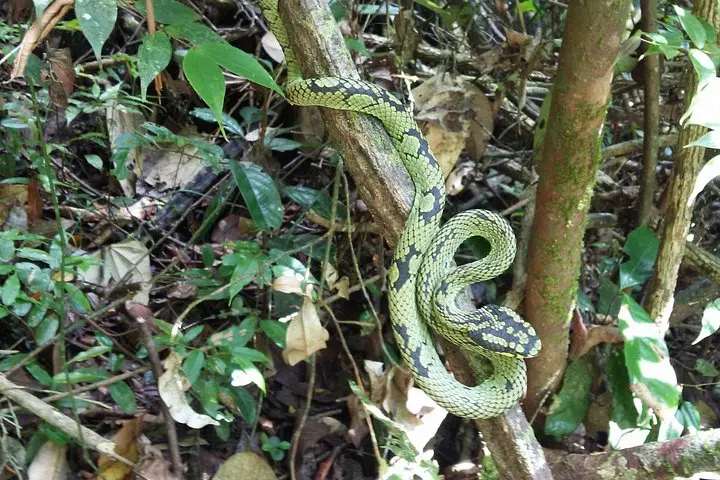
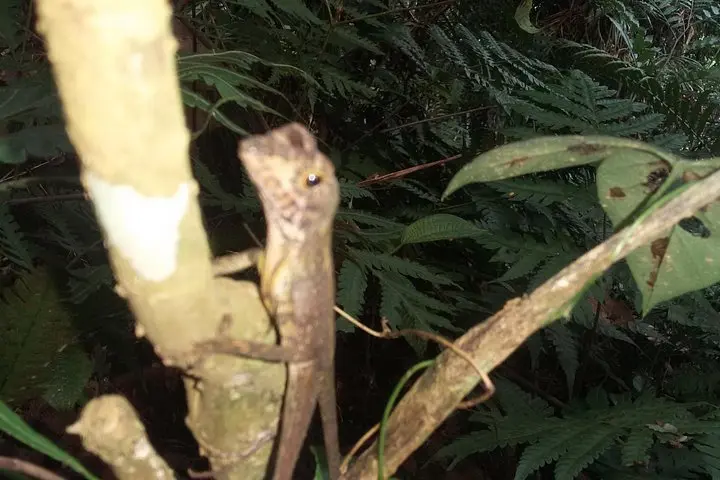
Expect a guided day walk of roughly 4–6 km of walking inside the reserve, typically part of a full-day outing that departs early and returns mid-afternoon via rubber plantations and village lanes. Wildlife sightings favor birds (endemic warblers and the occasional Sri Lanka blue magpie) and the purple-faced langur; large mammals are elusive. Trails can be slippery and narrow after rain; waterproof footwear and a rain shell keep you moving.
Practical: bring insect repellent, filled water bottle (bottled water often provided), lightweight layers, and a charged phone or camera with protective case. The tour is private and includes hotel pickup; a moderate fitness level and steady footing will make the day far more enjoyable.
Guided walking time inside the reserve typically ranges from 3–6 hours depending on group pace and chosen loop, within a full-day tour schedule.
Large mammals are present but rarely seen due to dense vegetation; birdlife and endemic primates like the purple-faced langur are more commonly observed.
The tour is private and can accommodate varying ages, but participants should have moderate mobility; very young children or those with limited mobility may find some trails challenging.
Wear sturdy, closed shoes, quick-dry clothing, a rain jacket, insect repellent, and bring water and snacks; the tour usually includes bottled water and hotel pickup.
daytoursrilanka operates guided outdoor trips and adventures with an emphasis on safety, stewardship, and memorable experiences.
You step off the vehicle into a green hush—the air thick with warm, wet leaves and the distant call of a hornbill. Early morning fog threads the gullies, and the trail slips into shadow beneath a canopy older than the villages that fringe it. This is Sinharaja: a compact, hilly lowland rainforest where trunks moss over and streams dare you to cross.
You step off the vehicle into a green hush—the air thick with warm, wet leaves and the distant call of a hornbill. Early morning fog threads the gullies, and the trail slips into shadow beneath a canopy older than the villages that fringe it. This is Sinharaja: a compact, hilly lowland rainforest where trunks moss over and streams dare you to cross.
Designated a UNESCO World Heritage Site (1988) and a biosphere reserve (1978), Sinharaja occupies roughly 21 km east–west and up to 7 km north–south. Geologically it sits on weathered Precambrian rock and steep ridges; trails move through undulating terrain with climbs of several hundred meters across root-strewn paths and muddy sections. Cultural threads run close—plantation and village life skirt the reserve, and local guides pass down knowledge of medicinal plants and endemic wildlife.
Expect a guided day walk of roughly 4–6 km of walking inside the reserve, typically part of a full-day outing that departs early and returns mid-afternoon via rubber plantations and village lanes. Wildlife sightings favor birds (endemic warblers and the occasional Sri Lanka blue magpie) and the purple-faced langur; large mammals are elusive. Trails can be slippery and narrow after rain; waterproof footwear and a rain shell keep you moving.
Practical: bring insect repellent, filled water bottle (bottled water often provided), lightweight layers, and a charged phone or camera with protective case. The tour is private and includes hotel pickup; a moderate fitness level and steady footing will make the day far more enjoyable.