THE ADVENTURE COLLECTIVE® · Independent discovery and booking for outdoor travel

Explore Sri Lanka’s UNESCO-listed Sinharaja on a two-day trek focused on endemic birds, nature trails and a natural pool dip. This practical guide covers what to expect on trails, local highlights, and how to prepare for humid, often muddy rainforest conditions.
Explore Sri Lanka’s UNESCO-listed Sinharaja on a two-day trek focused on endemic birds, nature trails and a natural pool dip. This practical guide covers what to expect on trails, local highlights, and how to prepare for humid, often muddy rainforest conditions.
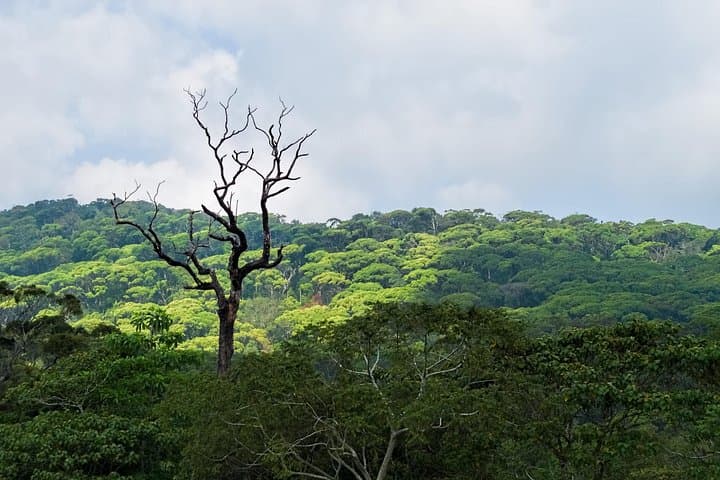
You step off the jeep into a wet hush: the canopy leans close and sunlight filters in green shards, while the rainforest seems to breathe around you. On these trails the air is thick with moss and the distant hiss of waterfalls; every footfall stirs a chorus of insect calls and bird song that dares you to keep moving.
Verified experiences and guided adventures in the surrounding area.
Operated by Train Journeys in Sri Lanka · Deniyaya, Southern Province
You step off the jeep into a wet hush: the canopy leans close and sunlight filters in green shards, while the rainforest seems to breathe around you. On these trails the air is thick with moss and the distant hiss of waterfalls; every footfall stirs a chorus of insect calls and bird song that dares you to keep moving.
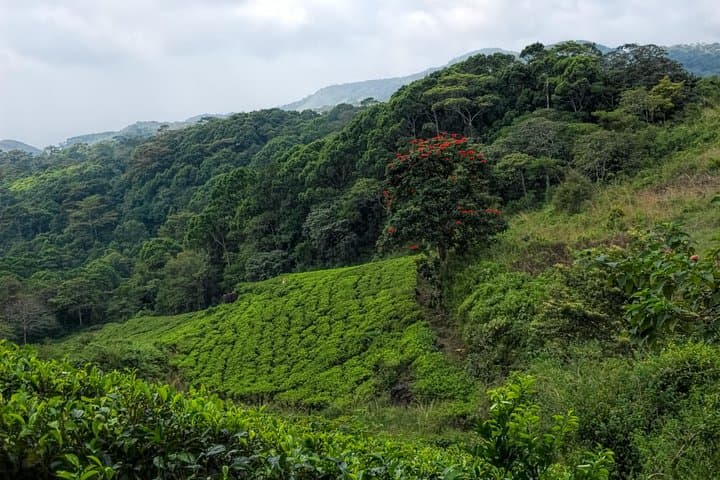
Sinharaja is Sri Lanka’s best-preserved lowland rainforest and a UNESCO Natural World Heritage Site since 1988. Geologically it's an ancient remnant of Gondwanan forest—steep ridges and shallow valleys that collect constant humidity. Local communities around Deniyaya and Mirissa have long balanced tea cultivation and forest stewardship; small dewale (shrines) and tea estates punctuate the drive in and out of the park.
Expect two days of mixed trails—muddy singletrack, roots and short climbs—at roughly 1,000 m in places, where both lowland and montane species overlap. Highlights include focused birdwatching for several Sri Lankan endemics, short nature trails to a natural pool, and even a traditional fish-therapy dip in shallow streams. The itinerary typically covers a 4–5 hour on-foot excursion plus shorter guided nature walks and relaxation time at an eco-lodge.
Practical notes: trails get slippery when wet and leeches are common—wear gaiters, quick-dry clothing, and carry 1–2 L of water. Start early for the best bird activity and cooler temperatures. Book a guided visit or private tour that includes transfers; park rules require sticking to marked trails and minimizing noise. Respect local conservation measures, pack out what you pack in, and plan for basic, eco-focused lodging rather than luxury amenities.
Moderate fitness is required: expect several hours of walking on uneven, often slippery trails with short climbs and roots; basic stamina and balance are important.
Sinharaja has regulated access and entry fees managed by authorities; most guided tours include permits and transfer, so confirm inclusion at booking.
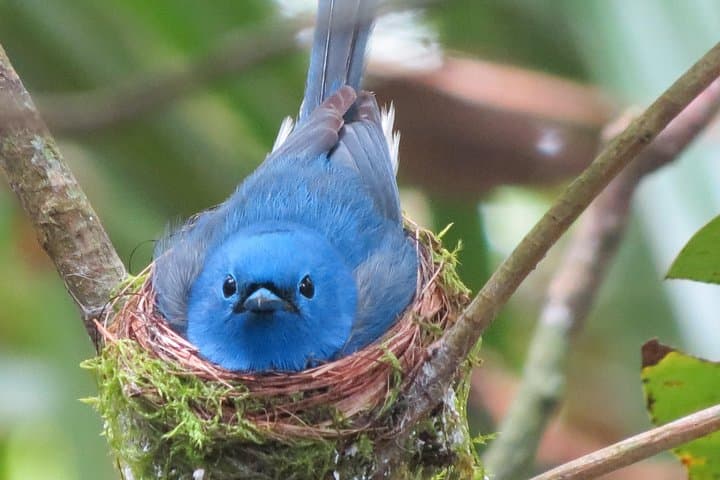
Yes—Sinharaja hosts many Sri Lankan endemics; early-morning guided birdwatching trips maximize chances to spot species like the Scaly Thrush and other highland/lowland overlap species.
This itinerary usually includes eco-lodge lodging near Deniyaya: basic, comfortable rooms that emphasize low-impact practices rather than luxury amenities.
Train Journeys in Sri Lanka operates guided outdoor trips and adventures with an emphasis on safety, stewardship, and memorable experiences.
You step off the jeep into a wet hush: the canopy leans close and sunlight filters in green shards, while the rainforest seems to breathe around you. On these trails the air is thick with moss and the distant hiss of waterfalls; every footfall stirs a chorus of insect calls and bird song that dares you to keep moving.
You step off the jeep into a wet hush: the canopy leans close and sunlight filters in green shards, while the rainforest seems to breathe around you. On these trails the air is thick with moss and the distant hiss of waterfalls; every footfall stirs a chorus of insect calls and bird song that dares you to keep moving.
Sinharaja is Sri Lanka’s best-preserved lowland rainforest and a UNESCO Natural World Heritage Site since 1988. Geologically it's an ancient remnant of Gondwanan forest—steep ridges and shallow valleys that collect constant humidity. Local communities around Deniyaya and Mirissa have long balanced tea cultivation and forest stewardship; small dewale (shrines) and tea estates punctuate the drive in and out of the park.
Expect two days of mixed trails—muddy singletrack, roots and short climbs—at roughly 1,000 m in places, where both lowland and montane species overlap. Highlights include focused birdwatching for several Sri Lankan endemics, short nature trails to a natural pool, and even a traditional fish-therapy dip in shallow streams. The itinerary typically covers a 4–5 hour on-foot excursion plus shorter guided nature walks and relaxation time at an eco-lodge.
Practical notes: trails get slippery when wet and leeches are common—wear gaiters, quick-dry clothing, and carry 1–2 L of water. Start early for the best bird activity and cooler temperatures. Book a guided visit or private tour that includes transfers; park rules require sticking to marked trails and minimizing noise. Respect local conservation measures, pack out what you pack in, and plan for basic, eco-focused lodging rather than luxury amenities.