THE ADVENTURE COLLECTIVE® · Independent discovery and booking for outdoor travel

Head into one of Sri Lanka’s most biodiverse lowland rainforests on a full-day guided trek from Udawalawe. Expect endemic birds, dense canopy trails and a traditional lunch in the heart of Sinharaja.
Head into one of Sri Lanka’s most biodiverse lowland rainforests on a full-day guided trek from Udawalawe. Expect endemic birds, dense canopy trails and a traditional lunch in the heart of Sinharaja.
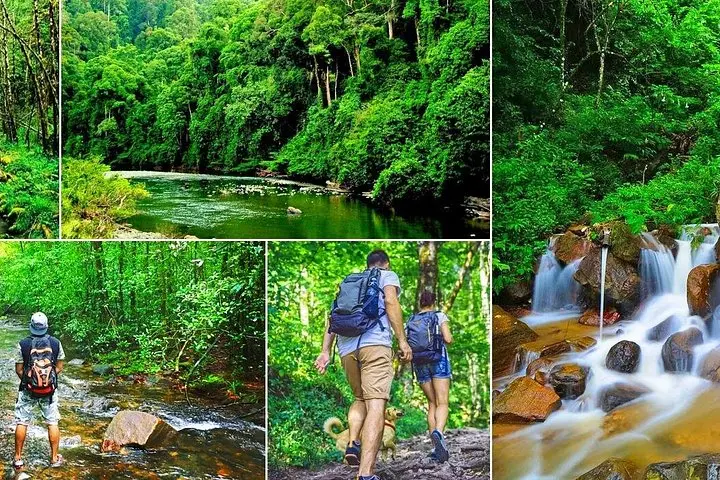
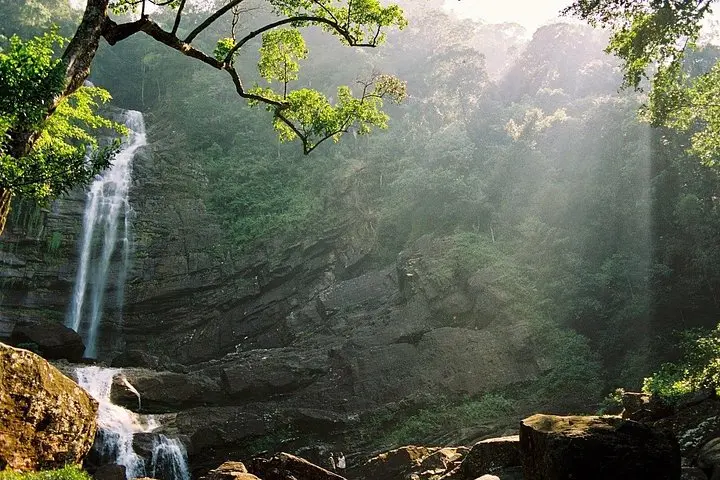
Morning light slices through towering dipterocarp trunks as your vehicle eases off the highway and the air thickens with green. By 8:00 AM the forest swallows the road and the guide, binoculars slung over a shoulder, points to a flash of blue—one of Sinharaja’s endemic birds—gone in a heartbeat. The walk that follows is both intimate and elemental: wet leaf litter underfoot, vines weaving through buttressed roots, occasional shafts of sunlight mapping the understory.
Verified experiences and guided adventures in the surrounding area.
Operated by Ceylon Travel Dream · Deniyaya, Southern Province
Morning light slices through towering dipterocarp trunks as your vehicle eases off the highway and the air thickens with green. By 8:00 AM the forest swallows the road and the guide, binoculars slung over a shoulder, points to a flash of blue—one of Sinharaja’s endemic birds—gone in a heartbeat. The walk that follows is both intimate and elemental: wet leaf litter underfoot, vines weaving through buttressed roots, occasional shafts of sunlight mapping the understory.
Sinharaja is Sri Lanka’s last substantial tract of lowland rainforest and a UNESCO World Heritage Site since 1988. Geologically it sits on ancient Precambrian bedrock; ecologically it shelters species found nowhere else on Earth. Local villages have long read the forest’s rhythms—seasonal fruits and medicinal plants feature in community knowledge and the simple midday rice-and-curry lunch you’ll taste.
Expect 6–10 km of uneven, often muddy trails with modest elevation changes and strenuous sections requiring steady footing. Wildlife encounters range from skittish birds (Sri Lanka blue magpie, barbets) to languid purple-faced langurs; insect life is abundant. Guides emphasize quiet, short bursts of movement to maximize sightings.
Practical guidance: start early to catch the most activity and cooler temperatures; bring stout trail shoes, rain protection and plenty of water; insect repellent and a lightweight daypack are essential. Photography benefits from a zoom lens and patience; battery packs are useful where there’s no charging. The day ends with a drive back to Udawalawe, usually by late afternoon, carrying a clearer sense of why this forest matters—and how fragile it remains.
Guided walks typically cover 6–10 km on established trails and last 3–5 hours inside the reserve as part of an 8–10 hour day.
Yes—park entry and guide fees apply; reputable tours include these costs and an English-speaking naturalist.
This tour is physically demanding and not recommended for those with serious mobility limits or young children; expect uneven ground and steep sections.
Early morning year-round is best for wildlife viewing; the drier months (December–March) generally offer easier trails, though showers can occur any time.
Ceylon Travel Dream operates guided outdoor trips and adventures with an emphasis on safety, stewardship, and memorable experiences.
Morning light slices through towering dipterocarp trunks as your vehicle eases off the highway and the air thickens with green. By 8:00 AM the forest swallows the road and the guide, binoculars slung over a shoulder, points to a flash of blue—one of Sinharaja’s endemic birds—gone in a heartbeat. The walk that follows is both intimate and elemental: wet leaf litter underfoot, vines weaving through buttressed roots, occasional shafts of sunlight mapping the understory.
Morning light slices through towering dipterocarp trunks as your vehicle eases off the highway and the air thickens with green. By 8:00 AM the forest swallows the road and the guide, binoculars slung over a shoulder, points to a flash of blue—one of Sinharaja’s endemic birds—gone in a heartbeat. The walk that follows is both intimate and elemental: wet leaf litter underfoot, vines weaving through buttressed roots, occasional shafts of sunlight mapping the understory.
Sinharaja is Sri Lanka’s last substantial tract of lowland rainforest and a UNESCO World Heritage Site since 1988. Geologically it sits on ancient Precambrian bedrock; ecologically it shelters species found nowhere else on Earth. Local villages have long read the forest’s rhythms—seasonal fruits and medicinal plants feature in community knowledge and the simple midday rice-and-curry lunch you’ll taste.
Expect 6–10 km of uneven, often muddy trails with modest elevation changes and strenuous sections requiring steady footing. Wildlife encounters range from skittish birds (Sri Lanka blue magpie, barbets) to languid purple-faced langurs; insect life is abundant. Guides emphasize quiet, short bursts of movement to maximize sightings.
Practical guidance: start early to catch the most activity and cooler temperatures; bring stout trail shoes, rain protection and plenty of water; insect repellent and a lightweight daypack are essential. Photography benefits from a zoom lens and patience; battery packs are useful where there’s no charging. The day ends with a drive back to Udawalawe, usually by late afternoon, carrying a clearer sense of why this forest matters—and how fragile it remains.