THE ADVENTURE COLLECTIVE® · Independent discovery and booking for outdoor travel

Explore Sri Lanka’s Sinharaja Rainforest on a private short tour that combines canopy walks, endemic wildlife viewing, and swims beneath multiple waterfalls. This full-day adventure pairs expert naturalists with local insights and practical support like raincoats and leech socks.
Explore Sri Lanka’s Sinharaja Rainforest on a private short tour that combines canopy walks, endemic wildlife viewing, and swims beneath multiple waterfalls. This full-day adventure pairs expert naturalists with local insights and practical support like raincoats and leech socks.
You step off the jeep and the rainforest takes over—humidity brushes your face, a chorus of bulbuls and drongos punctuates the green, and the trail narrows into shadow. The guide points to a pale moth clinging to a leaf as you move deeper toward the sound of falling water.
Verified experiences and guided adventures in the surrounding area.
Operated by Sinharaja Expedition - Tour Guide In Sinharaja Rainforest · Deniyaya, Southern Province
You step off the jeep and the rainforest takes over—humidity brushes your face, a chorus of bulbuls and drongos punctuates the green, and the trail narrows into shadow. The guide points to a pale moth clinging to a leaf as you move deeper toward the sound of falling water.
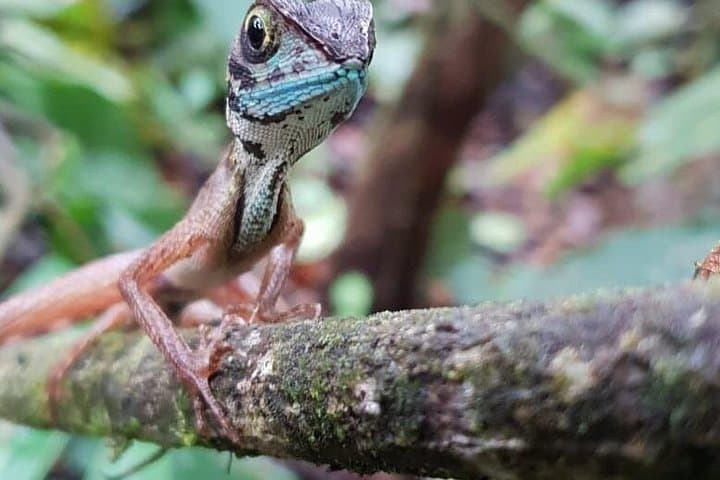
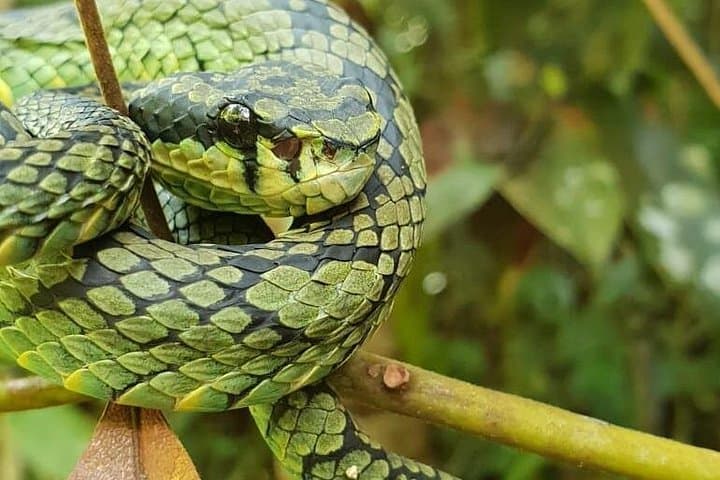
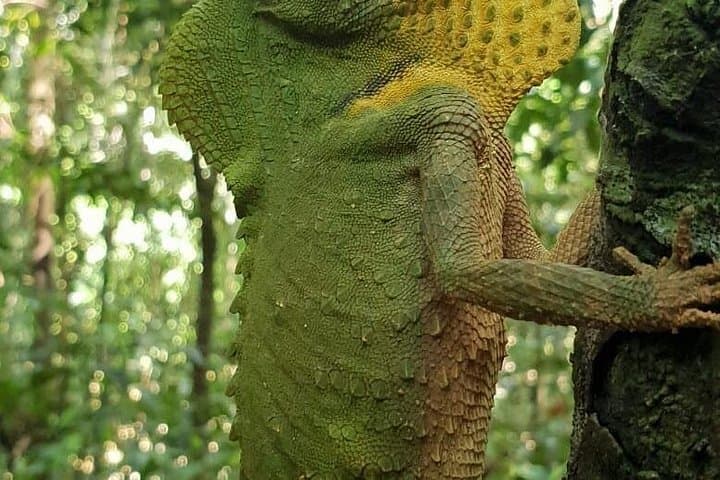
Sinharaja is Sri Lanka’s largest remnant of lowland tropical rainforest and a UNESCO World Heritage Site. Geologically the reserve sits on ancient Precambrian rocks; soils are lateritic and feed the thick, multi-layered canopy. The forest supports exceptional endemism—birds like the Sri Lanka blue magpie, reptiles and unusual amphibians live here alongside towering dipterocarps.
Local communities in Deniyaya and surrounding villages have long gathered non-timber products and oral histories tied to the forest; today guides blend scientific ID with those stories. Culture and conservation intersect here: a visit supports local guides and the park’s protection efforts.
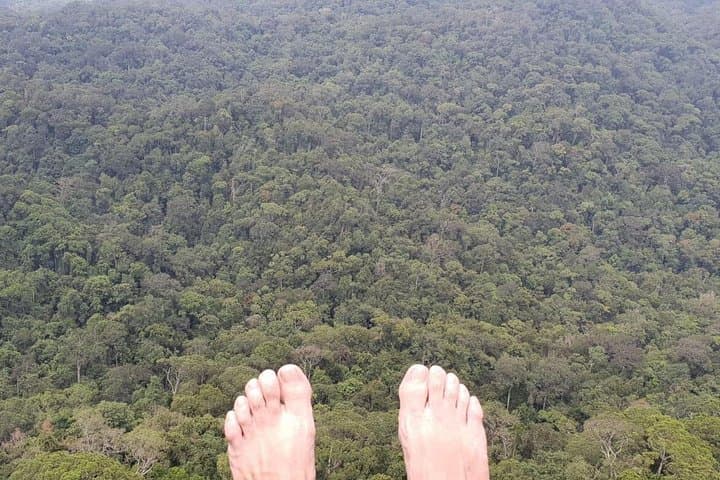
Expect a full day (6–8 hours) of uneven footpaths, boardwalks, a hanging bridge, and short swims beneath two to five waterfalls depending on the route. Trails can be muddy, roots are common, and leeches may probe after rain—leech socks and a light rain jacket are practical. Your guide will carry a first-aid kit, maps, and discuss species you’re likely to see.
Timing matters: early morning is best for birds, mid-afternoon cooler near cascades. Hydrate before you go, wear grippy shoes, and keep your camera ready—branches frequently frame sudden shafts of light and birds that seem to challenge you to keep up.
The tour runs about 6–8 hours and is rated moderate: expect sustained walking on uneven, sometimes muddy trails with short swims at waterfalls.
Yes—local naturalist guides specialize in Sinharaja’s flora and fauna and provide identification, maps, and cultural context throughout the tour.
Leeches are common after rain; guides provide leech socks and advice. Dangerous wildlife is rare—standard caution and following your guide keeps you safe.
Tours often include pickup options, lunch, snacks, bottled water, and park fees; confirm specifics when booking as packages can vary.
Sinharaja Expedition - Tour Guide In Sinharaja Rainforest operates guided outdoor trips and adventures with an emphasis on safety, stewardship, and memorable experiences.
You step off the jeep and the rainforest takes over—humidity brushes your face, a chorus of bulbuls and drongos punctuates the green, and the trail narrows into shadow. The guide points to a pale moth clinging to a leaf as you move deeper toward the sound of falling water.
You step off the jeep and the rainforest takes over—humidity brushes your face, a chorus of bulbuls and drongos punctuates the green, and the trail narrows into shadow. The guide points to a pale moth clinging to a leaf as you move deeper toward the sound of falling water.
Sinharaja is Sri Lanka’s largest remnant of lowland tropical rainforest and a UNESCO World Heritage Site. Geologically the reserve sits on ancient Precambrian rocks; soils are lateritic and feed the thick, multi-layered canopy. The forest supports exceptional endemism—birds like the Sri Lanka blue magpie, reptiles and unusual amphibians live here alongside towering dipterocarps.
Local communities in Deniyaya and surrounding villages have long gathered non-timber products and oral histories tied to the forest; today guides blend scientific ID with those stories. Culture and conservation intersect here: a visit supports local guides and the park’s protection efforts.
Expect a full day (6–8 hours) of uneven footpaths, boardwalks, a hanging bridge, and short swims beneath two to five waterfalls depending on the route. Trails can be muddy, roots are common, and leeches may probe after rain—leech socks and a light rain jacket are practical. Your guide will carry a first-aid kit, maps, and discuss species you’re likely to see.
Timing matters: early morning is best for birds, mid-afternoon cooler near cascades. Hydrate before you go, wear grippy shoes, and keep your camera ready—branches frequently frame sudden shafts of light and birds that seem to challenge you to keep up.