
Sintra and Cascais day tour from Lisbon: Pena Palace, Quinta da Regaleira & Cabo da Roca
In one long, scenic day this small-group tour takes you from Sintra’s misty palaces to the surf-sprung cliffs of Cabo da Roca. Expect palace gardens, secret wells, coastal views and practical tips for timing, footwear and weather.
An Adventure In Lisbon.
In one long, scenic day this small-group tour takes you from Sintra’s misty palaces to the surf-sprung cliffs of Cabo da Roca. Expect palace gardens, secret wells, coastal views and practical tips for timing, footwear and weather.
Read the full experience
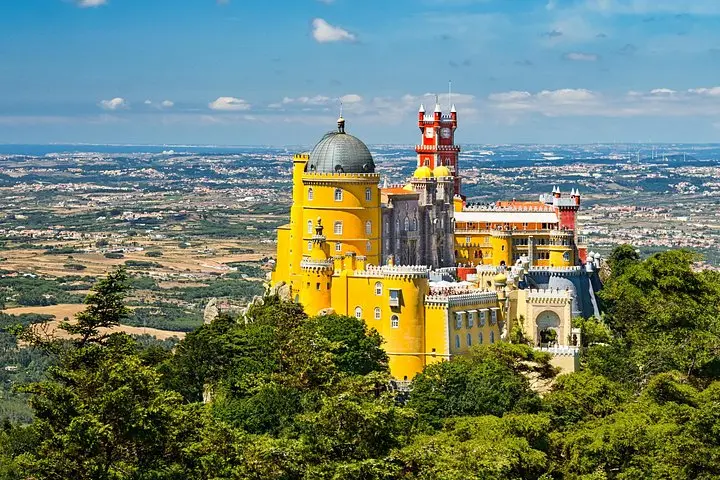
You arrive before the crowds, the minivan’s air conditioning sighing as it pulls away from Lisbon and the light softens over the palms and rolling hills. The road climbs; pines line the switchbacks and the town of Sintra peeks through fog like a storybook on a hill. By the time the Pena Palace’s candy-colored domes appear, the guide has already begun to sketch the region’s layered past—Moorish terraces, Romanticist restorations and the aristocratic rush of the 19th century—all spelled out across stone and tile.
You arrive before the crowds, the minivan’s air conditioning sighing as it pulls away from Lisbon and the light softens over the palms and rolling hills. The road climbs; pines line the switchbacks and the town of Sintra peeks through fog like a storybook on a hill. By the time the Pena Palace’s candy-colored domes appear, the guide has already begun to sketch the region’s layered past—Moorish terraces, Romanticist restorations and the aristocratic rush of the 19th century—all spelled out across stone and tile.
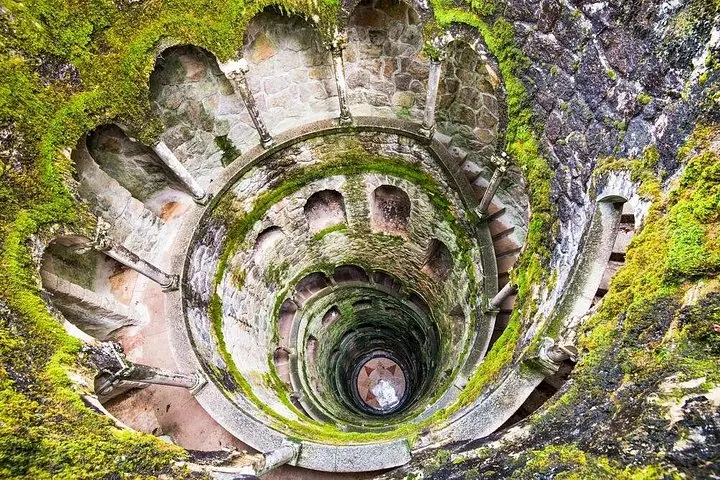
Sintra sits on ancient granite outcrops carved by wind and sea. Its microclimate encourages chestnut and cork oak to hug steep slopes, and mist often climbs from the Atlantic, softening views and lending the palaces a theatrical air. Quinta da Regaleira, with its initiation wells and secret gardens, reflects a later era of symbolism and esoterica; Pena’s flamboyant facades are a deliberate, theatrical rewriting of medieval and exotic styles by King Ferdinand II.
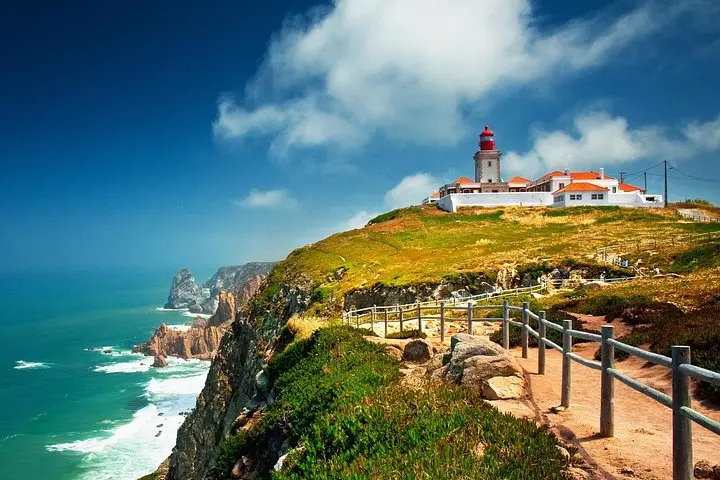
The tour folds from ornate gardens into the austere coastline—first Cascais, a former fishing village that became a royal summer retreat, then farther west to Cabo da Roca, continental Europe’s westernmost point. At the cape, Atlantic wind has an opinion: it pushes, it bristles, it clears the head. The cliffs drop vertically to surf and sea-spray; the lighthouse stands resolute against the horizon.
Culturally, the day reads like a condensed chapter of Portugal: pastry shops in Sintra where locals queue for travesseiros and queijadas; cafés in Cascais where fishermen and tourists share tables; and coastal viewpoints that frame both maritime history and modern surf culture.
Practical guidance follows the scenery. This is a full-day, small-group tour—expect roughly nine hours on the road with short stops at key sites. Wear sturdy walking shoes: cobbled streets and uneven palace steps demand grip. Bring a windproof layer; Cabo da Roca can be cold and blustery even on sunny days. If you want to enter Pena or Quinta da Regaleira, check admission options in advance—some sites sell out or have timed entries. Hydrate and carry a small daypack; snacks are helpful between scheduled stops. Pick-up is offered in central Lisbon areas, but confirm your boarding point the day before—some hotels will direct you to a nearby meeting location.
For travelers wanting texture, arrive mindful of both history and geology: look for hand-painted azulejos, study granite exposures on cliff edges, and taste the gradient from forested hills to open ocean within a single day. The route is compact but varied—Sintra and Cascais force a conversation between inland romanticism and Atlantic clarity, and by evening you return to Lisbon with a sharper sense of place.
Frequently asked questions
The tour runs about 9 hours (approx. 540 minutes) with multiple short stops at key attractions.
General pickup and guiding are included, but entry to some monuments (like Pena Palace) may require separate tickets—confirm with the operator.
Pickup is available across central Lisbon hotels or nearby meeting points; confirm the exact boarding location 24 hours before departure.
Yes—infants and small children can ride in strollers, but note that there are steps and cobbled areas at many sites.
Yes—tours may be modified or canceled for safety in severe weather; minor route adjustments are possible to avoid traffic or local events.
English, Spanish and Portuguese are regularly offered; additional languages (French, Italian, Russian, Romanian) may be available on request.
About This Experience
amazing day 4U - Crocodilo Peregrino, Lda operates guided outdoor trips and adventures with an emphasis on safety, stewardship, and memorable experiences.
Adventure tips
Recommended gear
- Sturdy walking shoes: Provides traction on cobbles, palace steps and coastal paths.
- Windproof jacket: Blocks the stiff Atlantic wind at Cabo da Roca and keeps you comfortable in mist.
- Water bottle: Keeps you hydrated during the long day—refill opportunities are limited between stops.
- Portable charger: Keeps your phone topped for photos, navigation and digital tickets.
Photos of the experience
Related adventures & guides
Read the full experience
You arrive before the crowds, the minivan’s air conditioning sighing as it pulls away from Lisbon and the light softens over the palms and rolling hills. The road climbs; pines line the switchbacks and the town of Sintra peeks through fog like a storybook on a hill. By the time the Pena Palace’s candy-colored domes appear, the guide has already begun to sketch the region’s layered past—Moorish terraces, Romanticist restorations and the aristocratic rush of the 19th century—all spelled out across stone and tile.
You arrive before the crowds, the minivan’s air conditioning sighing as it pulls away from Lisbon and the light softens over the palms and rolling hills. The road climbs; pines line the switchbacks and the town of Sintra peeks through fog like a storybook on a hill. By the time the Pena Palace’s candy-colored domes appear, the guide has already begun to sketch the region’s layered past—Moorish terraces, Romanticist restorations and the aristocratic rush of the 19th century—all spelled out across stone and tile.
Sintra sits on ancient granite outcrops carved by wind and sea. Its microclimate encourages chestnut and cork oak to hug steep slopes, and mist often climbs from the Atlantic, softening views and lending the palaces a theatrical air. Quinta da Regaleira, with its initiation wells and secret gardens, reflects a later era of symbolism and esoterica; Pena’s flamboyant facades are a deliberate, theatrical rewriting of medieval and exotic styles by King Ferdinand II.
The tour folds from ornate gardens into the austere coastline—first Cascais, a former fishing village that became a royal summer retreat, then farther west to Cabo da Roca, continental Europe’s westernmost point. At the cape, Atlantic wind has an opinion: it pushes, it bristles, it clears the head. The cliffs drop vertically to surf and sea-spray; the lighthouse stands resolute against the horizon.
Culturally, the day reads like a condensed chapter of Portugal: pastry shops in Sintra where locals queue for travesseiros and queijadas; cafés in Cascais where fishermen and tourists share tables; and coastal viewpoints that frame both maritime history and modern surf culture.
Practical guidance follows the scenery. This is a full-day, small-group tour—expect roughly nine hours on the road with short stops at key sites. Wear sturdy walking shoes: cobbled streets and uneven palace steps demand grip. Bring a windproof layer; Cabo da Roca can be cold and blustery even on sunny days. If you want to enter Pena or Quinta da Regaleira, check admission options in advance—some sites sell out or have timed entries. Hydrate and carry a small daypack; snacks are helpful between scheduled stops. Pick-up is offered in central Lisbon areas, but confirm your boarding point the day before—some hotels will direct you to a nearby meeting location.
For travelers wanting texture, arrive mindful of both history and geology: look for hand-painted azulejos, study granite exposures on cliff edges, and taste the gradient from forested hills to open ocean within a single day. The route is compact but varied—Sintra and Cascais force a conversation between inland romanticism and Atlantic clarity, and by evening you return to Lisbon with a sharper sense of place.
Make a day of it nearby.
Verified experiences and guided adventures in the surrounding area.