THE ADVENTURE COLLECTIVE® · Independent discovery and booking for outdoor travel

A private, full-day tour from Lisbon that pairs the fairytale excess of Pena Palace with the raw Atlantic edge of Cabo da Roca and the seaside charm of Cascais. Expect history, dramatic coastlines, and practical tips for making the most of an eight-hour loop.
A private, full-day tour from Lisbon that pairs the fairytale excess of Pena Palace with the raw Atlantic edge of Cabo da Roca and the seaside charm of Cascais. Expect history, dramatic coastlines, and practical tips for making the most of an eight-hour loop.
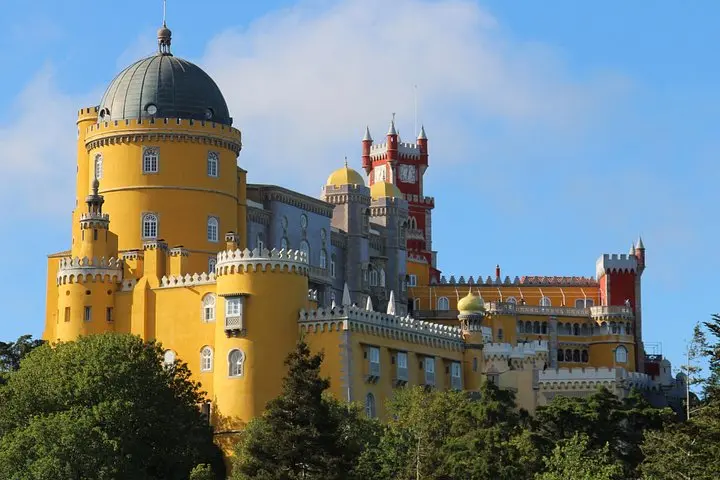
The driver eases the van up the tree-lined slope and the tiles of Pena Palace appear, sudden and absurd against the hillcrest—candy colors bright as a painted stage set. Morning mist clings to the pines, and the guide points out the terraces where aristocrats once staged gardens to impress foreign diplomats. You step out, the air tasting faintly of salt and eucalyptus, and the day unfolds like a sequence of postcard moments: a Romanticist palace perched above cloud, a coastal promontory that dares the Atlantic, and a seaside town that moves at the relaxed rhythm of fishermen pulling in their nets.
Verified experiences and guided adventures in the surrounding area.
Operated by My Lisbon Tours · Sintra, Lisbon District
The driver eases the van up the tree-lined slope and the tiles of Pena Palace appear, sudden and absurd against the hillcrest—candy colors bright as a painted stage set. Morning mist clings to the pines, and the guide points out the terraces where aristocrats once staged gardens to impress foreign diplomats. You step out, the air tasting faintly of salt and eucalyptus, and the day unfolds like a sequence of postcard moments: a Romanticist palace perched above cloud, a coastal promontory that dares the Atlantic, and a seaside town that moves at the relaxed rhythm of fishermen pulling in their nets.
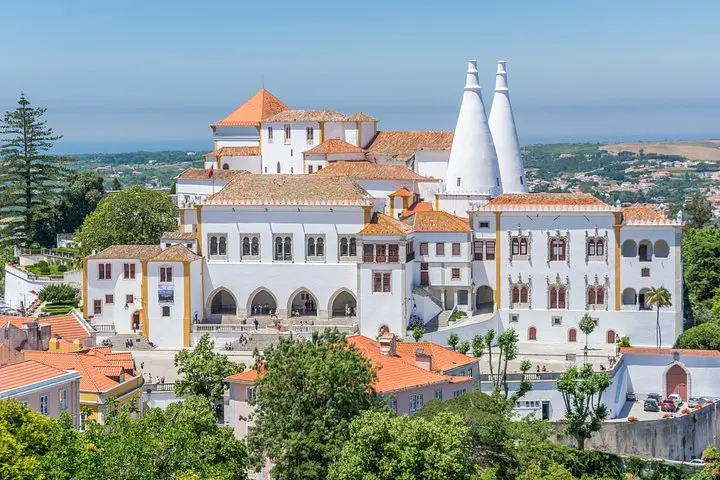
Sintra earned UNESCO recognition for a reason. Its architecture is a clash and conversation of Moorish ruins, Gothic chapels, and 19th-century Romantic palaces built by Portugal’s revivalist elite. The geological story is simpler but no less dramatic: granite hills scoured by wind and time, flanked by steep cliffs where the Iberian landmass meets an uncompromising Atlantic. At Pena Palace you can trace painted pinnacles and crenellations back to a period when monarchy, wealth, and a fascination with the exotic led to theatrical constructions that read like myths made real.
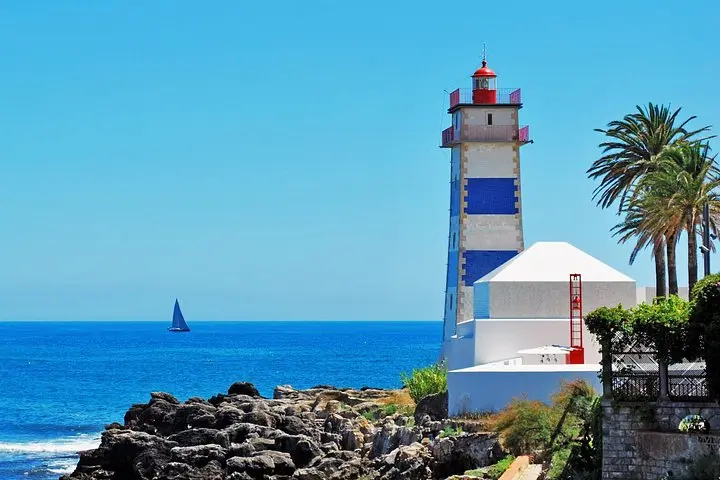
Moving down the peninsula, the route becomes coastal. Portugal’s western edge, Cabo da Roca, is not just a point on a map but a place that narrates explorers’ anxieties and ambitions—where sailors once stood and measured the horizon before setting off. Cascais follows, a former fishing village turned stylish resort; its marina and Old Town are equal parts maritime history and modern cafés where pastel de nata share table space with grilled fish.
Practicalities: this private, full-day tour runs about eight hours, with hotel pickup and drop-off in Lisbon. Walking is light to moderate—expect cobbled streets, short staircases, and uneven palace grounds; comfortable shoes are essential. Guides typically do not include palace admission, so pre-book skip-the-line tickets if you want more time inside Pena. Lunch is scheduled in Cascais and offers fresh seafood or bistro options; vegetarians can be accommodated with advance notice.
Timing matters. Start early to beat tour-bus crowds at Pena and to capture low-angle light on the cliffs at Cabo da Roca. Bring layers—the coast can flip from sun to wind-chill in minutes—and a small daypack with water and sunscreen. For a quieter visit, ask your guide to tweak the order or linger in the Sintra historical center, where pastry shops sell queijadas and travesseiros with local pride.
This is a day that balances wonder with easy logistics: you travel by air-conditioned vehicle, leave the navigation to a local pro, and return to Lisbon with a clearer sense of why Portugal’s landscape and history bend so naturally toward the sea.
Yes; hotel pickup and drop-off within Lisbon city limits is included—confirm your address when booking.
No; palace admission is not included by default. You can pre-purchase tickets or pay on-site, but expect lines without advance reservations.
Walking is light to moderate: short distances through Sintra’s historical center, stairs and paths at Pena Palace, and brief strolls in Cascais and at Cabo da Roca.
Yes; the tour is family-friendly and stroller-accessible in parts, though palace grounds include steps and uneven paths.
Tours are led by licensed local guides. Confirm language availability when booking to ensure commentary in your preferred language.
Lunch is not included but a scheduled one-hour meal stop in Cascais provides multiple restaurant options; bottled water is provided on board.
My Lisbon Tours operates guided outdoor trips and adventures with an emphasis on safety, stewardship, and memorable experiences.
The driver eases the van up the tree-lined slope and the tiles of Pena Palace appear, sudden and absurd against the hillcrest—candy colors bright as a painted stage set. Morning mist clings to the pines, and the guide points out the terraces where aristocrats once staged gardens to impress foreign diplomats. You step out, the air tasting faintly of salt and eucalyptus, and the day unfolds like a sequence of postcard moments: a Romanticist palace perched above cloud, a coastal promontory that dares the Atlantic, and a seaside town that moves at the relaxed rhythm of fishermen pulling in their nets.
The driver eases the van up the tree-lined slope and the tiles of Pena Palace appear, sudden and absurd against the hillcrest—candy colors bright as a painted stage set. Morning mist clings to the pines, and the guide points out the terraces where aristocrats once staged gardens to impress foreign diplomats. You step out, the air tasting faintly of salt and eucalyptus, and the day unfolds like a sequence of postcard moments: a Romanticist palace perched above cloud, a coastal promontory that dares the Atlantic, and a seaside town that moves at the relaxed rhythm of fishermen pulling in their nets.
Sintra earned UNESCO recognition for a reason. Its architecture is a clash and conversation of Moorish ruins, Gothic chapels, and 19th-century Romantic palaces built by Portugal’s revivalist elite. The geological story is simpler but no less dramatic: granite hills scoured by wind and time, flanked by steep cliffs where the Iberian landmass meets an uncompromising Atlantic. At Pena Palace you can trace painted pinnacles and crenellations back to a period when monarchy, wealth, and a fascination with the exotic led to theatrical constructions that read like myths made real.
Moving down the peninsula, the route becomes coastal. Portugal’s western edge, Cabo da Roca, is not just a point on a map but a place that narrates explorers’ anxieties and ambitions—where sailors once stood and measured the horizon before setting off. Cascais follows, a former fishing village turned stylish resort; its marina and Old Town are equal parts maritime history and modern cafés where pastel de nata share table space with grilled fish.
Practicalities: this private, full-day tour runs about eight hours, with hotel pickup and drop-off in Lisbon. Walking is light to moderate—expect cobbled streets, short staircases, and uneven palace grounds; comfortable shoes are essential. Guides typically do not include palace admission, so pre-book skip-the-line tickets if you want more time inside Pena. Lunch is scheduled in Cascais and offers fresh seafood or bistro options; vegetarians can be accommodated with advance notice.
Timing matters. Start early to beat tour-bus crowds at Pena and to capture low-angle light on the cliffs at Cabo da Roca. Bring layers—the coast can flip from sun to wind-chill in minutes—and a small daypack with water and sunscreen. For a quieter visit, ask your guide to tweak the order or linger in the Sintra historical center, where pastry shops sell queijadas and travesseiros with local pride.
This is a day that balances wonder with easy logistics: you travel by air-conditioned vehicle, leave the navigation to a local pro, and return to Lisbon with a clearer sense of why Portugal’s landscape and history bend so naturally toward the sea.