THE ADVENTURE COLLECTIVE® · Independent discovery and booking for outdoor travel

Spend a private day moving from Sintra’s colorful palaces to the raw cliffs of Cabo da Roca. This guided route combines Pena Palace, Quinta da Regaleira, coastal vistas and beachside towns—ideal for travelers who want history, geology and dramatic ocean views in one flexible itinerary.
Spend a private day moving from Sintra’s colorful palaces to the raw cliffs of Cabo da Roca. This guided route combines Pena Palace, Quinta da Regaleira, coastal vistas and beachside towns—ideal for travelers who want history, geology and dramatic ocean views in one flexible itinerary.
You step out of an air‑conditioned car onto a hill where the Atlantic wind has an opinion. The road that runs through Sintra’s pine‑scoured Serra de Sintra twists into colored roofs and crenellated towers; the silhouette of Pena Palace looms like a painted idea of a castle, its terraces catching the afternoon light. A private guide folds a route around your interests—history first, surf spots last—and the day becomes a measured march through Portugal’s coastal margins and romantic architecture.
Verified experiences and guided adventures in the surrounding area.
Operated by Lisbon Travel Kiosk · Sintra, Lisbon District
You step out of an air‑conditioned car onto a hill where the Atlantic wind has an opinion. The road that runs through Sintra’s pine‑scoured Serra de Sintra twists into colored roofs and crenellated towers; the silhouette of Pena Palace looms like a painted idea of a castle, its terraces catching the afternoon light. A private guide folds a route around your interests—history first, surf spots last—and the day becomes a measured march through Portugal’s coastal margins and romantic architecture.
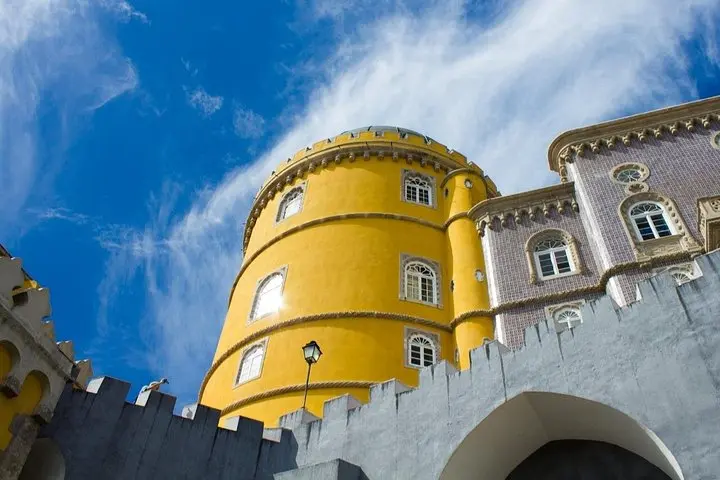
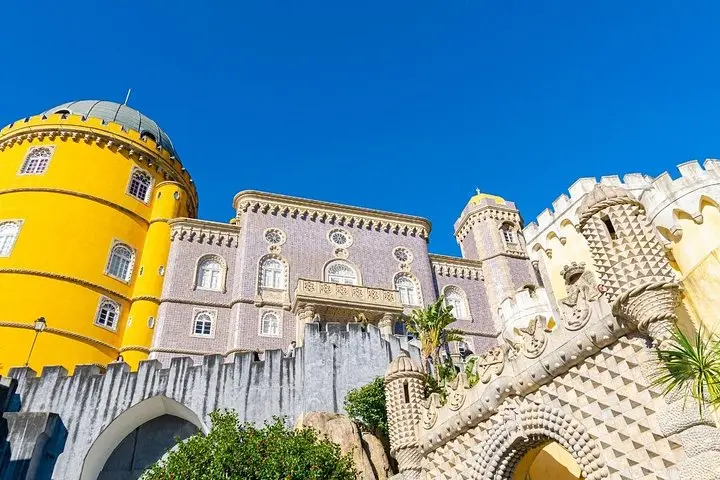
Sintra sits on an ancient granite dome uplifted by tectonic forces; its microclimate—clouds that cling and rain that comes in soft bursts—fed the 19th‑century Romantic movement that turned wealthy Lisbon residents into palace builders. Pena Palace (carved into exposed rock at roughly 400–500 m elevation) is a showpiece of color and folly, while Quinta da Regaleira is less a garden than a conscious maze: wells, initiation staircases, and Masonic symbolism stacked into the landscape.
The coastal counterpoint arrives after lunch. Cascais began as a fisher’s village and evolved into a Belle Époque resort; its harbor still smells faintly of salt and grilled sardines. Cabo da Roca, the westernmost point of continental Europe, is a raw cliff edge where wind and sea claim the horizon. Boca do Inferno’s wave‑punched caves and the sandblown sweep of Guincho Beach remind you that this region is shaped as much by ocean energy as by human design.
Practical matters anchor the romance. This full‑day private tour runs about eight hours with door‑to‑door pickup from Lisbon hotels (on‑board Wi‑Fi keeps maps and music at hand). Note that most major sites—Pena, Regaleira, Monserrate, and the Moorish Castle—require separate entry tickets; skip‑the‑line is not included, so plan to buy tickets in advance if you want to avoid queues.
Expect moderate walking on cobbled streets, steep steps, and uneven trails. Comfortable, grippy footwear and a lightweight rain layer will make hills and sudden showers manageable. Photography rewards early mornings and late afternoons when light softens the palace facades and the cliffs glow gold; midday is best for lively coastal contrasts.
For a balanced day, ask your guide to prioritize two Sintra sites and two coastal stops—Pena and Regaleira pair well, while Cabo da Roca and Guincho make a dramatic seaside close. The private format lets you linger where you want and skip what you don’t, turning an ambitious geography of palaces and headlands into a single, accessible day of Portuguese culture and wild coastline.
No—admissions (Pena, Regaleira, Monserrate, Moorish Castle) are typically not included; you can purchase tickets ahead or at each site.
Pickup is offered from centrally located Lisbon hotels or a mutually agreed meeting point—confirm your exact pickup on booking.
Yes—the tour notes stroller accessibility but palaces and some paths have stairs; a baby carrier is more practical in tight areas.
Yes—this is a private tour and the guide can adjust sites and timing based on your interests, traffic and weather.
Dress in layers with grippy shoes; bring a windproof jacket and sun protection for coastal stops.
The operator may cancel in severe weather; standard policy allows full refund if canceled at least 24 hours before departure or for unsafe conditions.
Lisbon Travel Kiosk operates guided outdoor trips and adventures with an emphasis on safety, stewardship, and memorable experiences.
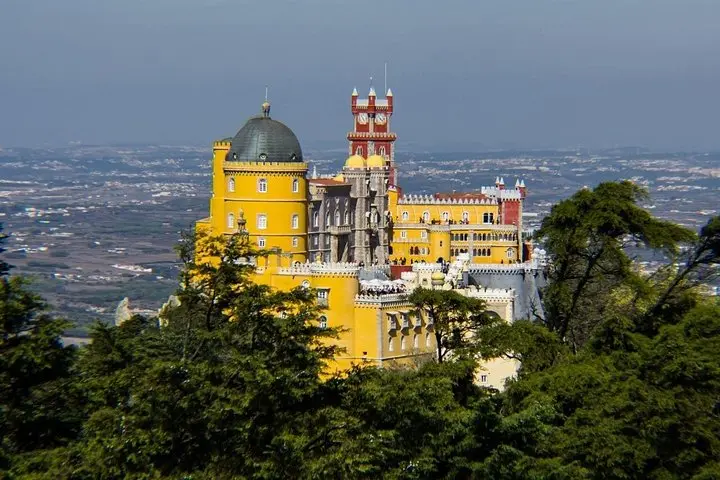
You step out of an air‑conditioned car onto a hill where the Atlantic wind has an opinion. The road that runs through Sintra’s pine‑scoured Serra de Sintra twists into colored roofs and crenellated towers; the silhouette of Pena Palace looms like a painted idea of a castle, its terraces catching the afternoon light. A private guide folds a route around your interests—history first, surf spots last—and the day becomes a measured march through Portugal’s coastal margins and romantic architecture.
You step out of an air‑conditioned car onto a hill where the Atlantic wind has an opinion. The road that runs through Sintra’s pine‑scoured Serra de Sintra twists into colored roofs and crenellated towers; the silhouette of Pena Palace looms like a painted idea of a castle, its terraces catching the afternoon light. A private guide folds a route around your interests—history first, surf spots last—and the day becomes a measured march through Portugal’s coastal margins and romantic architecture.
Sintra sits on an ancient granite dome uplifted by tectonic forces; its microclimate—clouds that cling and rain that comes in soft bursts—fed the 19th‑century Romantic movement that turned wealthy Lisbon residents into palace builders. Pena Palace (carved into exposed rock at roughly 400–500 m elevation) is a showpiece of color and folly, while Quinta da Regaleira is less a garden than a conscious maze: wells, initiation staircases, and Masonic symbolism stacked into the landscape.
The coastal counterpoint arrives after lunch. Cascais began as a fisher’s village and evolved into a Belle Époque resort; its harbor still smells faintly of salt and grilled sardines. Cabo da Roca, the westernmost point of continental Europe, is a raw cliff edge where wind and sea claim the horizon. Boca do Inferno’s wave‑punched caves and the sandblown sweep of Guincho Beach remind you that this region is shaped as much by ocean energy as by human design.
Practical matters anchor the romance. This full‑day private tour runs about eight hours with door‑to‑door pickup from Lisbon hotels (on‑board Wi‑Fi keeps maps and music at hand). Note that most major sites—Pena, Regaleira, Monserrate, and the Moorish Castle—require separate entry tickets; skip‑the‑line is not included, so plan to buy tickets in advance if you want to avoid queues.
Expect moderate walking on cobbled streets, steep steps, and uneven trails. Comfortable, grippy footwear and a lightweight rain layer will make hills and sudden showers manageable. Photography rewards early mornings and late afternoons when light softens the palace facades and the cliffs glow gold; midday is best for lively coastal contrasts.
For a balanced day, ask your guide to prioritize two Sintra sites and two coastal stops—Pena and Regaleira pair well, while Cabo da Roca and Guincho make a dramatic seaside close. The private format lets you linger where you want and skip what you don’t, turning an ambitious geography of palaces and headlands into a single, accessible day of Portuguese culture and wild coastline.