THE ADVENTURE COLLECTIVE® · Independent discovery and booking for outdoor travel

Spend a day moving from Sintra’s hilltop palaces to the wind-scoured cliffs of Cabo da Roca and the seaside charm of Cascais. This full-day tour from Lisbon packs history, geology and coastal panoramas into eight hours with guided transfers and flexible time to explore.
Spend a day moving from Sintra’s hilltop palaces to the wind-scoured cliffs of Cabo da Roca and the seaside charm of Cascais. This full-day tour from Lisbon packs history, geology and coastal panoramas into eight hours with guided transfers and flexible time to explore.
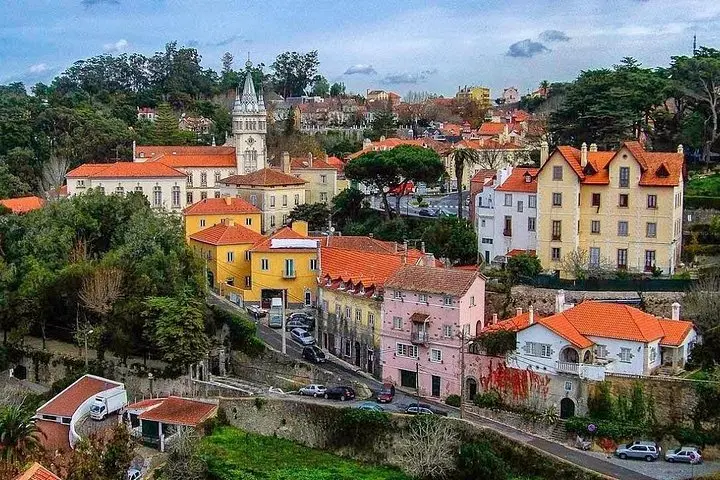
You step off the coach into a cool, fragrant pocket of Atlantic air and the town seems to exhale history: Sintra's narrow lanes slope up beneath crumbling stone walls, azulejo tiles flash in café windows, and the hilltops hold palaces that look as if a painter forgot to finish them.
Verified experiences and guided adventures in the surrounding area.
Operated by BlackCab Portugal · Sintra, Lisbon
You step off the coach into a cool, fragrant pocket of Atlantic air and the town seems to exhale history: Sintra's narrow lanes slope up beneath crumbling stone walls, azulejo tiles flash in café windows, and the hilltops hold palaces that look as if a painter forgot to finish them.
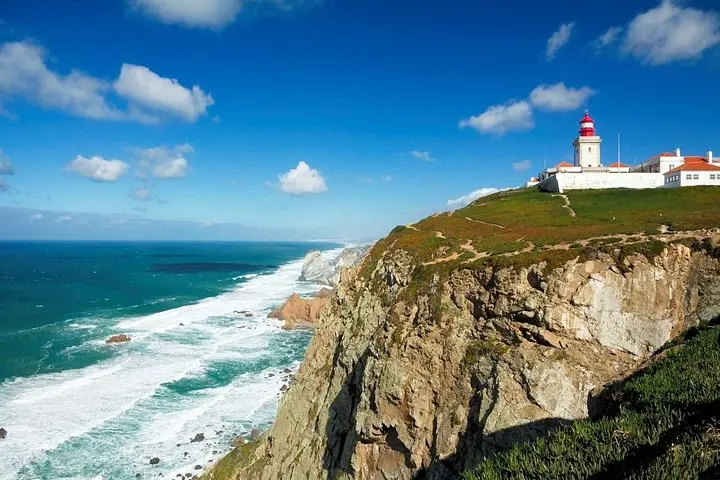
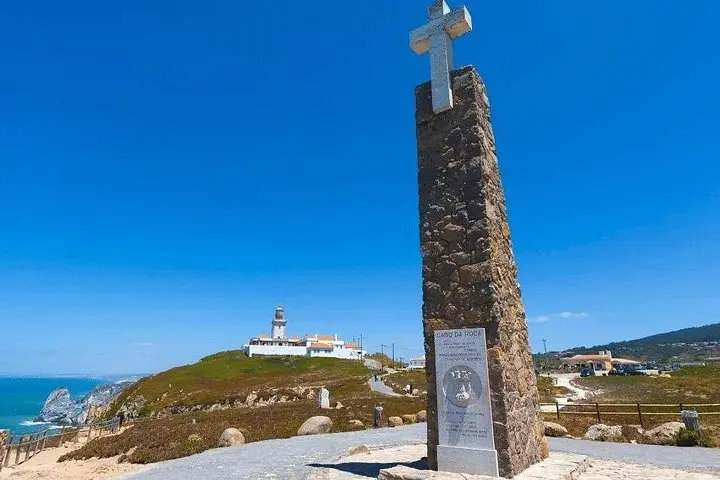
This full-day from Lisbon stitches together three very different faces of Greater Lisbon — the romantic, forested heights of Sintra; the raw, wind-sculpted cliffs of Cabo da Roca, where Camões once wrote of land ending and sea beginning; and the breezy, beachside ease of Cascais. The itinerary gives roughly 3.8 hours to explore Sintra Village — long enough to pick one major monument (Pena Palace or Quinta da Regaleira are popular choices), wander the National Palace's mosaic-filled rooms, or trace the ramparts of the Castle of the Moors.
Geology is visible at every turn: the granite tors and weathered schist of Sintra give way to limestone cliffs at Cabo da Roca, a 100-plus-meter drop to Atlantic surf. The sea here is relentless; it has carved blowholes and sea caves, most dramatic at Boca do Inferno (Hell's Mouth) near Cascais, where waves hurl themselves at the rock with audible force.
Culturally, Sintra was a royal refuge in the 19th century — monarchs and writers sought its cooler microclimate and panoramic views — and much of the area's architecture reflects that eclectic, romantic impulse. Cascais, by contrast, grew as a fishing village turned noble seaside escape, now a compact town of promenades, seafood restaurants, and small beaches.
Practical guidance: the tour departs from central Lisbon (meet at Hotel Fénix Lisboa) and lasts about eight hours in an air-conditioned coach with onboard Wi‑Fi. Monuments are not included in the base price, and queues can form at Pena Palace; pick one main site in Sintra if you want to move at a relaxed pace. Expect cobbled streets and short steep climbs — sturdy shoes matter. The weather changes fast between hill and coast: bring a windproof layer and sunscreen.
Timing matters for photos and crowds. Morning in Sintra is quieter; late afternoon light on Cabo da Roca catches the cliffs in warm tones. For food, Cascais offers the best sit-down seafood options at the end of the day if you want to linger. Finally, respect the cliffs and marked trails — erosion is active and cliff edges are not safe. Follow your guide's recommendations and you'll leave with a full plate: palace façades, cliff-top ocean views, and a taste of Portugal's coastal history.
The meeting point is in front of Hotel Fénix Lisboa in central Lisbon; the tour returns to the same location at the end of the day.
No — entrance fees to Pena Palace, Quinta da Regaleira, and other monuments are not included; you can purchase tickets on site or in advance.
The coach and some meeting points are accessible, but many monuments in Sintra have stairs and uneven surfaces that limit full accessibility.
Yes — the tour notes stroller access and infant seats are available; mention needs when booking so guides can assist.
Expect several hours of moderate walking on uneven, cobbled streets and short climbs; choose comfortable shoes and moderate fitness level.
The tour operator may cancel or reschedule in severe weather; check cancellation policy and dress in layers for fog, wind or sun.
BlackCab Portugal operates guided outdoor trips and adventures with an emphasis on safety, stewardship, and memorable experiences.

You step off the coach into a cool, fragrant pocket of Atlantic air and the town seems to exhale history: Sintra's narrow lanes slope up beneath crumbling stone walls, azulejo tiles flash in café windows, and the hilltops hold palaces that look as if a painter forgot to finish them.
You step off the coach into a cool, fragrant pocket of Atlantic air and the town seems to exhale history: Sintra's narrow lanes slope up beneath crumbling stone walls, azulejo tiles flash in café windows, and the hilltops hold palaces that look as if a painter forgot to finish them.
This full-day from Lisbon stitches together three very different faces of Greater Lisbon — the romantic, forested heights of Sintra; the raw, wind-sculpted cliffs of Cabo da Roca, where Camões once wrote of land ending and sea beginning; and the breezy, beachside ease of Cascais. The itinerary gives roughly 3.8 hours to explore Sintra Village — long enough to pick one major monument (Pena Palace or Quinta da Regaleira are popular choices), wander the National Palace's mosaic-filled rooms, or trace the ramparts of the Castle of the Moors.
Geology is visible at every turn: the granite tors and weathered schist of Sintra give way to limestone cliffs at Cabo da Roca, a 100-plus-meter drop to Atlantic surf. The sea here is relentless; it has carved blowholes and sea caves, most dramatic at Boca do Inferno (Hell's Mouth) near Cascais, where waves hurl themselves at the rock with audible force.
Culturally, Sintra was a royal refuge in the 19th century — monarchs and writers sought its cooler microclimate and panoramic views — and much of the area's architecture reflects that eclectic, romantic impulse. Cascais, by contrast, grew as a fishing village turned noble seaside escape, now a compact town of promenades, seafood restaurants, and small beaches.
Practical guidance: the tour departs from central Lisbon (meet at Hotel Fénix Lisboa) and lasts about eight hours in an air-conditioned coach with onboard Wi‑Fi. Monuments are not included in the base price, and queues can form at Pena Palace; pick one main site in Sintra if you want to move at a relaxed pace. Expect cobbled streets and short steep climbs — sturdy shoes matter. The weather changes fast between hill and coast: bring a windproof layer and sunscreen.
Timing matters for photos and crowds. Morning in Sintra is quieter; late afternoon light on Cabo da Roca catches the cliffs in warm tones. For food, Cascais offers the best sit-down seafood options at the end of the day if you want to linger. Finally, respect the cliffs and marked trails — erosion is active and cliff edges are not safe. Follow your guide's recommendations and you'll leave with a full plate: palace façades, cliff-top ocean views, and a taste of Portugal's coastal history.