THE ADVENTURE COLLECTIVE® · Independent discovery and booking for outdoor travel

Walk Sintra’s hills with a historian: a 6 km, 4-hour private loop from the Historic Center into the forested slopes with views of Pena Palace and Quinta da Regaleira. Expect story-rich stops, irregular terrain, and practical tips for comfort in coastal hills.
Walk Sintra’s hills with a historian: a 6 km, 4-hour private loop from the Historic Center into the forested slopes with views of Pena Palace and Quinta da Regaleira. Expect story-rich stops, irregular terrain, and practical tips for comfort in coastal hills.
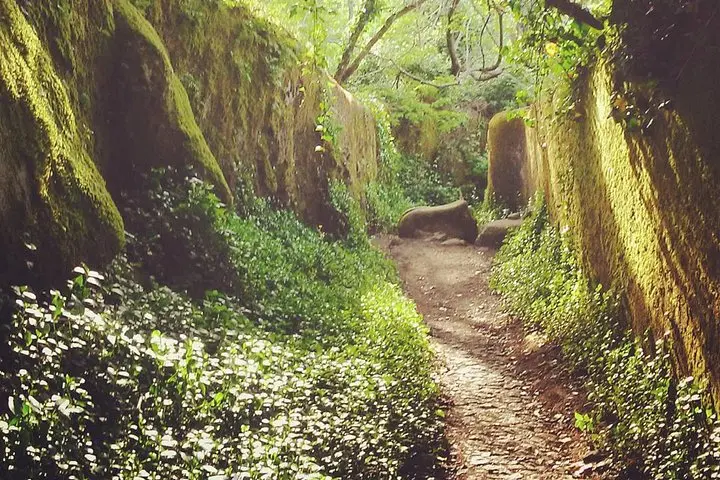
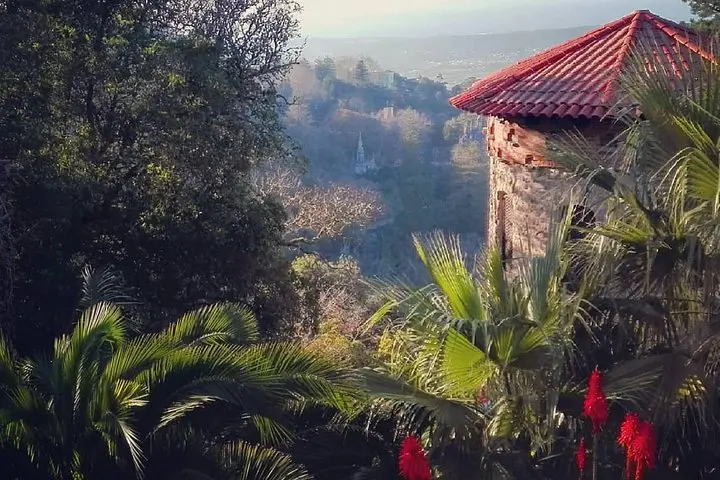
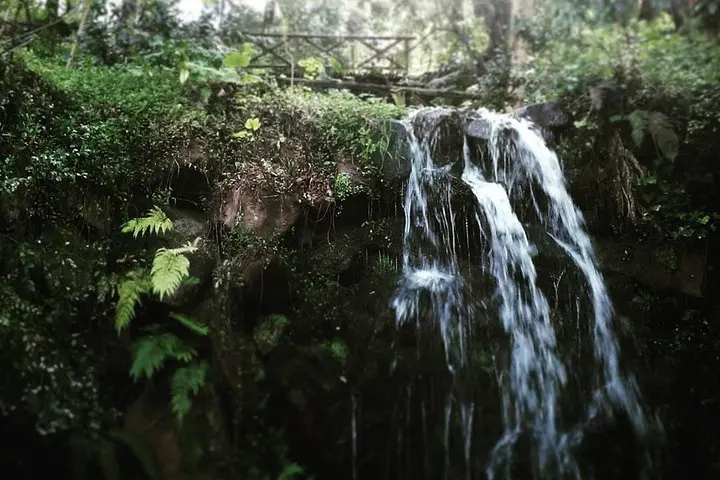
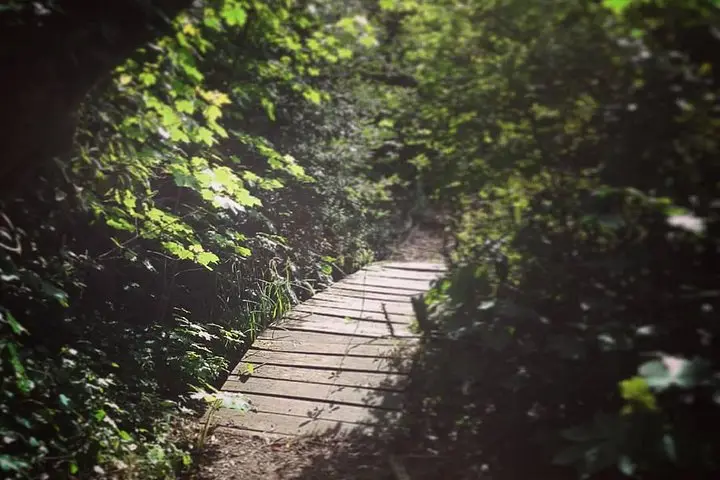
A soft Atlantic mist lifts as the group leaves Sintra’s Historic Center, cobblestones giving way to soil and cork-oak shade. The walk threads uphill through woodland trails where the wind seems to whisper 19th-century romances, and distant turrets—Pena Palace, Quinta da Regaleira—peek through the pines. Guided by historian Miguel Boim, participants move at a conversational pace, stopping for stories that layer personal memory over the town’s physical contours.
Verified experiences and guided adventures in the surrounding area.
Operated by MIGUEL BOIM ESTEVES MARQUES · Sintra, Lisbon District
A soft Atlantic mist lifts as the group leaves Sintra’s Historic Center, cobblestones giving way to soil and cork-oak shade. The walk threads uphill through woodland trails where the wind seems to whisper 19th-century romances, and distant turrets—Pena Palace, Quinta da Regaleira—peek through the pines. Guided by historian Miguel Boim, participants move at a conversational pace, stopping for stories that layer personal memory over the town’s physical contours.
Sintra’s hills have been a retreat since the Romantic era and the landscape is protected within the Sintra-Cascais Natural Park. Geologically the region sits on ancient granitic outcrops weathered into rounded hills; valleys funnel maritime air that keeps the vegetation lush and temperatures mild. Culturally, the town’s villas and palaces reflect a blend of Moorish, Gothic, and Romantic influences that shaped Portugal’s 18th–19th century identity.
Practical guidance: the loop is about 6 km and typically takes four hours with multiple stops. Expect a mix of paved streets and irregular forest paths with modest climbs—suitable for most walkers but requiring steady footwear. A high-visibility vest is provided for road sections; bring layered clothing for sudden coastal mists, a water bottle, and basic sun/rain protection. The route runs in most weather unless civil protection issues are raised; bookings require 72 hours’ notice because it passes through protected parkland. As a private tour, the pace and stopping points are adaptable—ideal for travelers who want history woven into the landscape rather than a rushed checklist of monuments.
The route is about 6 km and takes roughly four hours with stops; terrain ranges from paved streets to irregular forest paths—moderate but suitable for most walkers.
Yes—it's a private, gentle-paced walk appropriate for most ages, though participants should be comfortable on uneven ground and short climbs.
The walk runs in most conditions; it will be canceled if civil protection issues arise or organizers deem it unsafe—check cancellation policy and weather forecast before the day.
Yes—bookings require at least 72 hours’ notice because portions cross protected parkland and need administrative clearance.
MIGUEL BOIM ESTEVES MARQUES operates guided outdoor trips and adventures with an emphasis on safety, stewardship, and memorable experiences.
A soft Atlantic mist lifts as the group leaves Sintra’s Historic Center, cobblestones giving way to soil and cork-oak shade. The walk threads uphill through woodland trails where the wind seems to whisper 19th-century romances, and distant turrets—Pena Palace, Quinta da Regaleira—peek through the pines. Guided by historian Miguel Boim, participants move at a conversational pace, stopping for stories that layer personal memory over the town’s physical contours.
A soft Atlantic mist lifts as the group leaves Sintra’s Historic Center, cobblestones giving way to soil and cork-oak shade. The walk threads uphill through woodland trails where the wind seems to whisper 19th-century romances, and distant turrets—Pena Palace, Quinta da Regaleira—peek through the pines. Guided by historian Miguel Boim, participants move at a conversational pace, stopping for stories that layer personal memory over the town’s physical contours.
Sintra’s hills have been a retreat since the Romantic era and the landscape is protected within the Sintra-Cascais Natural Park. Geologically the region sits on ancient granitic outcrops weathered into rounded hills; valleys funnel maritime air that keeps the vegetation lush and temperatures mild. Culturally, the town’s villas and palaces reflect a blend of Moorish, Gothic, and Romantic influences that shaped Portugal’s 18th–19th century identity.
Practical guidance: the loop is about 6 km and typically takes four hours with multiple stops. Expect a mix of paved streets and irregular forest paths with modest climbs—suitable for most walkers but requiring steady footwear. A high-visibility vest is provided for road sections; bring layered clothing for sudden coastal mists, a water bottle, and basic sun/rain protection. The route runs in most weather unless civil protection issues are raised; bookings require 72 hours’ notice because it passes through protected parkland. As a private tour, the pace and stopping points are adaptable—ideal for travelers who want history woven into the landscape rather than a rushed checklist of monuments.