THE ADVENTURE COLLECTIVE® · Independent discovery and booking for outdoor travel

A full-day loop from Lisbon that threads together Sintra’s folklore villages, ocean vistas, and cliffside towns. Expect short walks on steep alleys, coastal panoramas at Cabo da Roca, and a nuanced look at Saloia rural life.
A full-day loop from Lisbon that threads together Sintra’s folklore villages, ocean vistas, and cliffside towns. Expect short walks on steep alleys, coastal panoramas at Cabo da Roca, and a nuanced look at Saloia rural life.
You meet at the gate of Lisbon Zoo as the city is still shrugging off its morning rush — a compact van idles, guides exchange maps, and the road toward the Serra de Sintra unfurls under a low Atlantic light.
Verified experiences and guided adventures in the surrounding area.
Operated by Get Stoked · Lisbon, Lisbon
You meet at the gate of Lisbon Zoo as the city is still shrugging off its morning rush — a compact van idles, guides exchange maps, and the road toward the Serra de Sintra unfurls under a low Atlantic light.
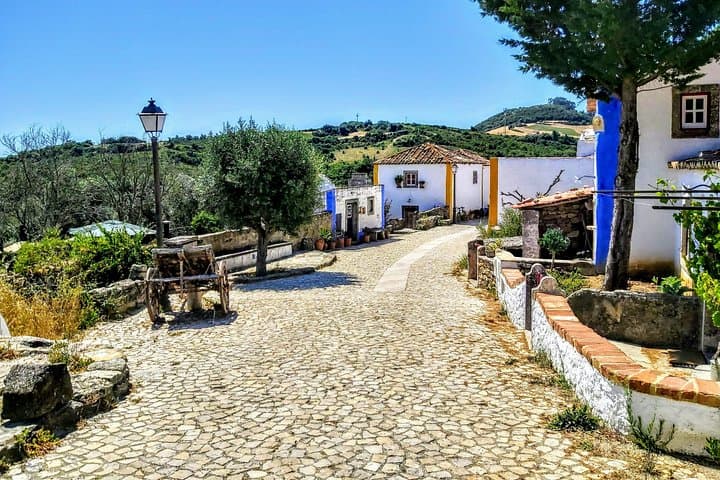
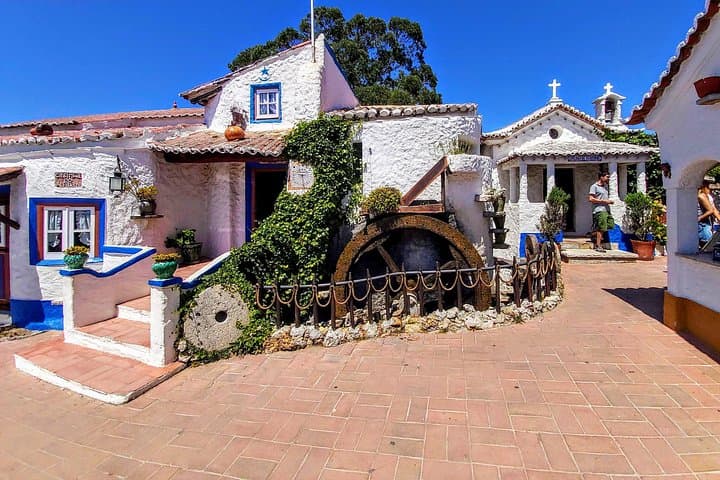
Within half an hour the urban roar thins and the landscape changes: cork oaks and eucalyptus lean over narrow lanes, granite-capped hills rise like landmarks from another era, and the air tastes faintly of salt. The tour stitches together small villages that feel less like stops and more like chapters — José Franco’s open-air museum where painted tiles and folk figures recall rural craft traditions, Aldeia da Mata Pequena’s whitewashed houses and stone floors that invite slow footsteps, and the cliff-framed Azenhas do Mar where an ocean pool has been hewn into the bay and the Atlantic keeps nudging at the shore.
History here is tangible. The Saloia region preserves a rural life shaped by cork and olive, by fishermen who later traded with Lisbon, and by a blend of Moorish, medieval and 19th-century influences that Sintra’s landscape absorbed. Geology explains the drama: the Sintra massif’s ancient granite outcrops buttress the hills while the Atlantic chisels coastal cliffs and caves, creating viewpoints that have long guided sailors and inspired Romantic-era palaces inland.
Culturally the day is compact education: a local guide points out the fountain at Penedo, the steep alleys where time slows and neighbors still greet one another, and the tiny chapels that mark village centers. You’ll reach Cabo da Roca, Europe’s westernmost point, where the wind articulates the ocean’s restlessness and the cliffs stand immovable in response.
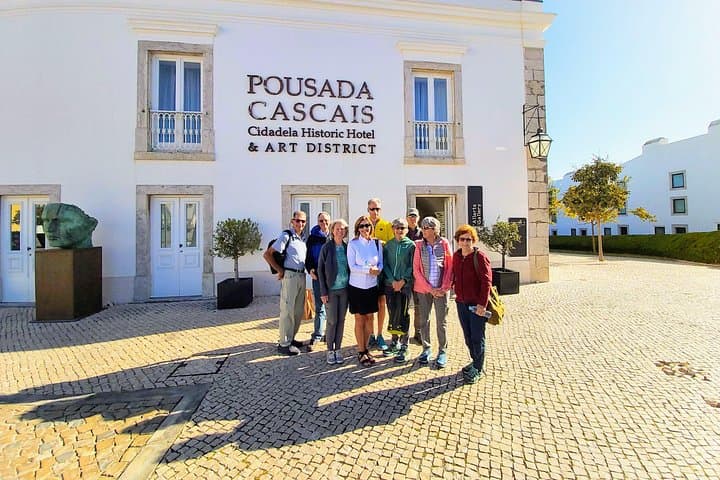
Practical: expect a 7–8 hour shared tour with multiple short walks and several 20–60 minute stops. The pace is easy to moderate — most walking is on cobbled lanes and uneven village streets with a few steep sections, so sturdy footwear and steady knees pay off. The operator provides bottled water, an air-conditioned vehicle, and a guide; pickup is available across Lisbon, Cascais and Sintra, or meet at Lisbon Zoo. Reserve a morning slot to avoid the afternoon gusts at the coast and leave room for a pastry — Sintra’s travesseiros make for a sharp, flaky reward.
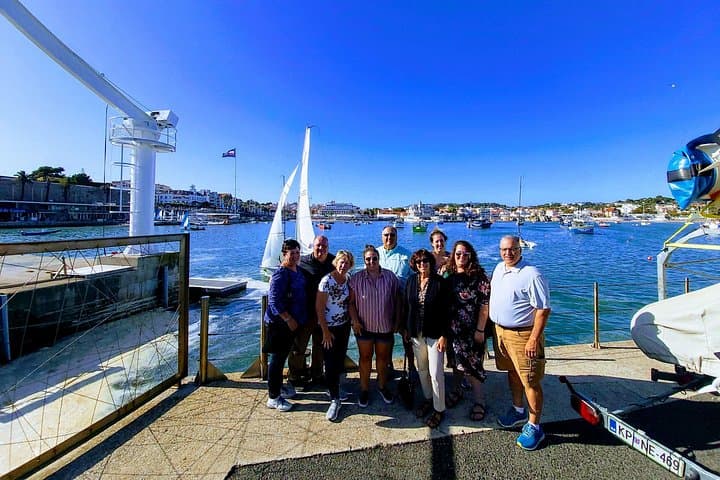
Tips for planning: bring layers for coastal wind, a small daypack, and a camera with a wide-angle lens for cliff panoramas. If rain threatens the tour may be rescheduled; groups are intentionally small, which keeps the experience personal and the villages quiet. By day’s end you’ll have moved through living history and raw Atlantic geology — a condensed, human-scale portrait of coastal Portugal that feels both immediate and rooted.
The tour runs about 7–8 hours and includes multiple 20–60 minute stops across villages, coast and viewpoints.
You can be picked up at many Lisbon, Cascais or Sintra hotels or meet the guide at the Lisbon Zoo main entrance.
Walking is generally short but includes uneven cobbles and some steep streets — suitable for most fitness levels.
Bottled water and guided visits inside some monuments are included; bring cash for meals or snacks at village cafés.
The experience requires good weather; if canceled due to conditions you’ll be offered a new date or a full refund.
Yes — the tour is suitable for families and includes infant seats; some stops have limited stroller access due to cobbles.
Get Stoked operates guided outdoor trips and adventures with an emphasis on safety, stewardship, and memorable experiences.
You meet at the gate of Lisbon Zoo as the city is still shrugging off its morning rush — a compact van idles, guides exchange maps, and the road toward the Serra de Sintra unfurls under a low Atlantic light.
You meet at the gate of Lisbon Zoo as the city is still shrugging off its morning rush — a compact van idles, guides exchange maps, and the road toward the Serra de Sintra unfurls under a low Atlantic light.
Within half an hour the urban roar thins and the landscape changes: cork oaks and eucalyptus lean over narrow lanes, granite-capped hills rise like landmarks from another era, and the air tastes faintly of salt. The tour stitches together small villages that feel less like stops and more like chapters — José Franco’s open-air museum where painted tiles and folk figures recall rural craft traditions, Aldeia da Mata Pequena’s whitewashed houses and stone floors that invite slow footsteps, and the cliff-framed Azenhas do Mar where an ocean pool has been hewn into the bay and the Atlantic keeps nudging at the shore.
History here is tangible. The Saloia region preserves a rural life shaped by cork and olive, by fishermen who later traded with Lisbon, and by a blend of Moorish, medieval and 19th-century influences that Sintra’s landscape absorbed. Geology explains the drama: the Sintra massif’s ancient granite outcrops buttress the hills while the Atlantic chisels coastal cliffs and caves, creating viewpoints that have long guided sailors and inspired Romantic-era palaces inland.
Culturally the day is compact education: a local guide points out the fountain at Penedo, the steep alleys where time slows and neighbors still greet one another, and the tiny chapels that mark village centers. You’ll reach Cabo da Roca, Europe’s westernmost point, where the wind articulates the ocean’s restlessness and the cliffs stand immovable in response.
Practical: expect a 7–8 hour shared tour with multiple short walks and several 20–60 minute stops. The pace is easy to moderate — most walking is on cobbled lanes and uneven village streets with a few steep sections, so sturdy footwear and steady knees pay off. The operator provides bottled water, an air-conditioned vehicle, and a guide; pickup is available across Lisbon, Cascais and Sintra, or meet at Lisbon Zoo. Reserve a morning slot to avoid the afternoon gusts at the coast and leave room for a pastry — Sintra’s travesseiros make for a sharp, flaky reward.
Tips for planning: bring layers for coastal wind, a small daypack, and a camera with a wide-angle lens for cliff panoramas. If rain threatens the tour may be rescheduled; groups are intentionally small, which keeps the experience personal and the villages quiet. By day’s end you’ll have moved through living history and raw Atlantic geology — a condensed, human-scale portrait of coastal Portugal that feels both immediate and rooted.