THE ADVENTURE COLLECTIVE® · Independent discovery and booking for outdoor travel

Spend a day chasing Portugal’s dramatic contrasts: the painted turrets of Pena Palace, windswept cliffs at Cabo da Roca and the seaside charm of Cascais. This private tour condenses history, geology and coastal culture into an eight-hour route you can tailor to your pace.
Spend a day chasing Portugal’s dramatic contrasts: the painted turrets of Pena Palace, windswept cliffs at Cabo da Roca and the seaside charm of Cascais. This private tour condenses history, geology and coastal culture into an eight-hour route you can tailor to your pace.
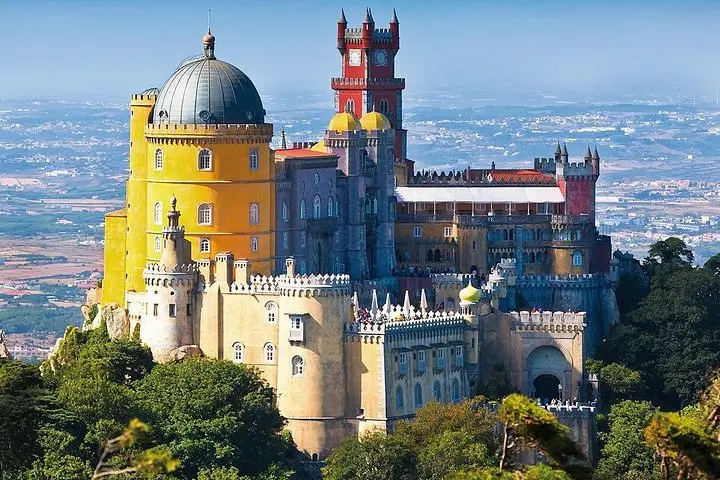
A morning in Sintra begins with a climb through a hill that feels older than the map—stone lanes climb like braids, temperature dropping as the mist from the Atlantic finds its way inland. On a private tour, the minivan drops you at the foot of the Pena Palace access road and the world tilts: a 19th-century folly of painted terraces and towers sitting 529 meters above sea level, its colors daring the green to compete.
Verified experiences and guided adventures in the surrounding area.
Operated by Badger Tours · Sintra, Lisbon District
A morning in Sintra begins with a climb through a hill that feels older than the map—stone lanes climb like braids, temperature dropping as the mist from the Atlantic finds its way inland. On a private tour, the minivan drops you at the foot of the Pena Palace access road and the world tilts: a 19th-century folly of painted terraces and towers sitting 529 meters above sea level, its colors daring the green to compete.
The route between Sintra and Cascais reads like Portugal condensed: Romantic-era palaces, Moorish ruins, rocky headlands and a coastline that alternates between sandy coves and vertical cliffs. Geologically, the Sintra massif is an eroded granite island pushed up from the ancient Iberian crust; its slopes feed the small springs and laurel forests that give the area its famously variable weather.
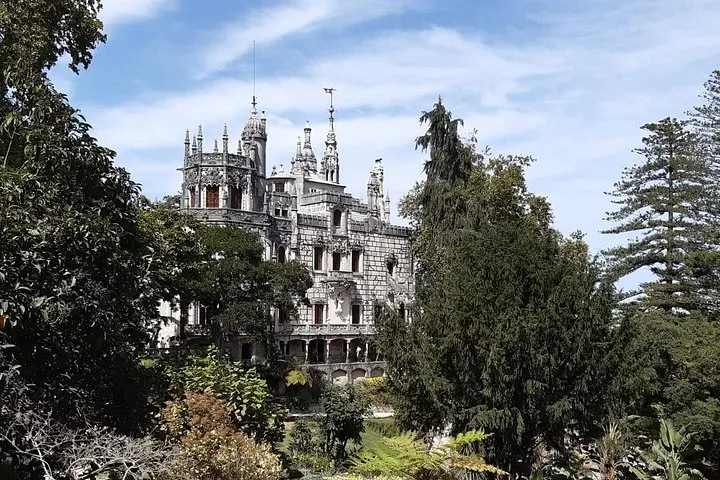
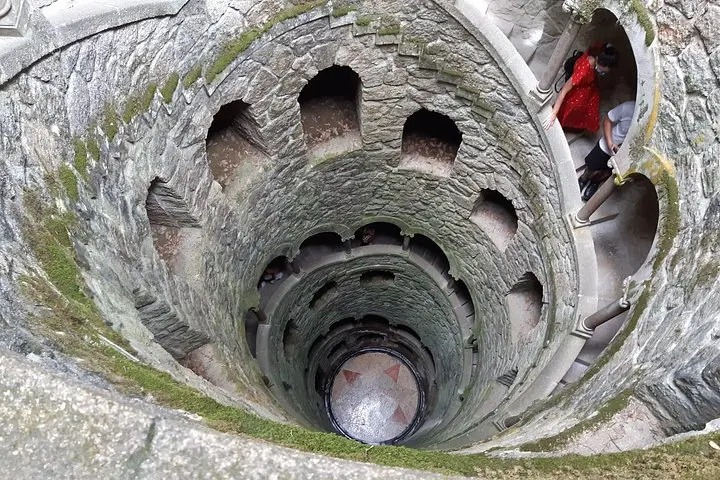
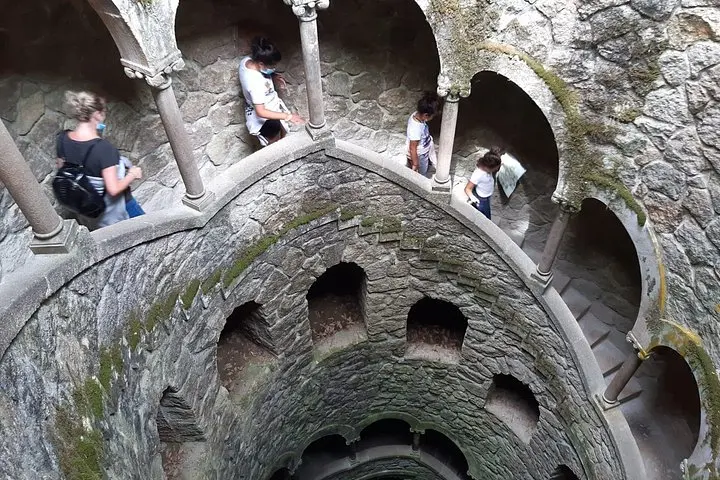
History is visible in layers. Sintra was a royal sanctuary after the 15th century; King Ferdinand II recast a ruined monastery into the vivid Pena Palace, an architectural mash-up celebrating Romanticism’s appetite for the dramatic. Quinta da Regaleira, a later eccentricity, folds Masonic symbolism into grottoes and initiation wells. Then the route drops west toward Cabo da Roca, the westernmost point of continental Europe, where the Atlantic pushes and dares you to stand at the cliff edge and count the ship wakes.
Cascais and Estoril offer a different cadence: a former fishing town turned 20th-century playground with ocean promenades, small seafood restaurants and the gardens of the casino. Between stops the van passes through the protected Sintra-Cascais Natural Park, an ecological belt that protects dunes, cliffs and endangered coastal scrub.
Practicalities determine how much of this you can taste. This private, 8-hour tour allows timed visits and flexible pacing—book Pena Palace tickets in advance to avoid waits; expect uphill walking on cobbles and at least a few dozen steps. Start early to catch softer light and cooler temperatures; late afternoons are breezier at Cabo da Roca but often windier.
Bring layered clothing and sturdy shoes: the microclimate is famously changeable. If hiking to viewpoints like Praia da Ursa, plan for uneven sand and rock. Local guides can tailor stops—ask about quieter terraces in Sintra or a quick seafood lunch in Cascais rather than the tourist strip. For travelers who value space and timing, the private format turns a crowded corridor into an edit of the best scenes.
In short: the tour stitches together Portugal’s romantic architecture and dramatic coastline into one day—rich in history, geological scenery and reliable photo ops—best enjoyed with good shoes, a pre-booked palace ticket and an appetite for cliffs that look out to the end of Europe.
This private tour runs about 8 hours and typically includes Sintra (Pena Palace), Quinta da Regaleira or Monserrate (customizable), a drive through the Sintra-Cascais Natural Park, Cabo da Roca and a stop in Cascais.
Entrance fees are generally not included—book palace tickets in advance or ask the operator to add them to your booking when possible.
Yes—this is a private tour and the guide can adjust timing and stops within the eight-hour window based on your interests and mobility.
Pickup can often be arranged from hotels in the Lisbon/Sintra area or nearby towns; confirm your pickup location when booking.
Infants and small children can be accommodated and strollers are possible in some areas, but expect stairs and cobbles that may limit stroller access in historic sites.
Comfortable layers and closed-toe walking shoes are recommended; bring sunscreen and a small waterproof layer for coastal winds.
Badger Tours operates guided outdoor trips and adventures with an emphasis on safety, stewardship, and memorable experiences.
A morning in Sintra begins with a climb through a hill that feels older than the map—stone lanes climb like braids, temperature dropping as the mist from the Atlantic finds its way inland. On a private tour, the minivan drops you at the foot of the Pena Palace access road and the world tilts: a 19th-century folly of painted terraces and towers sitting 529 meters above sea level, its colors daring the green to compete.
A morning in Sintra begins with a climb through a hill that feels older than the map—stone lanes climb like braids, temperature dropping as the mist from the Atlantic finds its way inland. On a private tour, the minivan drops you at the foot of the Pena Palace access road and the world tilts: a 19th-century folly of painted terraces and towers sitting 529 meters above sea level, its colors daring the green to compete.
The route between Sintra and Cascais reads like Portugal condensed: Romantic-era palaces, Moorish ruins, rocky headlands and a coastline that alternates between sandy coves and vertical cliffs. Geologically, the Sintra massif is an eroded granite island pushed up from the ancient Iberian crust; its slopes feed the small springs and laurel forests that give the area its famously variable weather.
History is visible in layers. Sintra was a royal sanctuary after the 15th century; King Ferdinand II recast a ruined monastery into the vivid Pena Palace, an architectural mash-up celebrating Romanticism’s appetite for the dramatic. Quinta da Regaleira, a later eccentricity, folds Masonic symbolism into grottoes and initiation wells. Then the route drops west toward Cabo da Roca, the westernmost point of continental Europe, where the Atlantic pushes and dares you to stand at the cliff edge and count the ship wakes.
Cascais and Estoril offer a different cadence: a former fishing town turned 20th-century playground with ocean promenades, small seafood restaurants and the gardens of the casino. Between stops the van passes through the protected Sintra-Cascais Natural Park, an ecological belt that protects dunes, cliffs and endangered coastal scrub.
Practicalities determine how much of this you can taste. This private, 8-hour tour allows timed visits and flexible pacing—book Pena Palace tickets in advance to avoid waits; expect uphill walking on cobbles and at least a few dozen steps. Start early to catch softer light and cooler temperatures; late afternoons are breezier at Cabo da Roca but often windier.
Bring layered clothing and sturdy shoes: the microclimate is famously changeable. If hiking to viewpoints like Praia da Ursa, plan for uneven sand and rock. Local guides can tailor stops—ask about quieter terraces in Sintra or a quick seafood lunch in Cascais rather than the tourist strip. For travelers who value space and timing, the private format turns a crowded corridor into an edit of the best scenes.
In short: the tour stitches together Portugal’s romantic architecture and dramatic coastline into one day—rich in history, geological scenery and reliable photo ops—best enjoyed with good shoes, a pre-booked palace ticket and an appetite for cliffs that look out to the end of Europe.