THE ADVENTURE COLLECTIVE® · Independent discovery and booking for outdoor travel

Taste Barcelona’s history in three neighborhoods: Barceloneta, El Born and the Gothic Quarter. This 3.5-hour walking tour pairs family-run bodegas and taverns with 9–10 tapas, Cava, vermut and stories that trace the city’s Roman and medieval roots.
Taste Barcelona’s history in three neighborhoods: Barceloneta, El Born and the Gothic Quarter. This 3.5-hour walking tour pairs family-run bodegas and taverns with 9–10 tapas, Cava, vermut and stories that trace the city’s Roman and medieval roots.
Sea air, frying oil and the clink of small glasses — the tour opens where Barceloneta’s salt-stiff breeze meets narrow streets, then threads north through El Born and the Gothic Quarter. You move in a small group, the cobbles guiding you past plazas that remember Roman merchants and medieval markets, pausing where a family-run bodega pours house Cava and a tavern serves the hot, comforting bump of a bomba.
Verified experiences and guided adventures in the surrounding area.
Operated by Eye On Food Tours · Barcelona, Catalonia
Sea air, frying oil and the clink of small glasses — the tour opens where Barceloneta’s salt-stiff breeze meets narrow streets, then threads north through El Born and the Gothic Quarter. You move in a small group, the cobbles guiding you past plazas that remember Roman merchants and medieval markets, pausing where a family-run bodega pours house Cava and a tavern serves the hot, comforting bump of a bomba.
Barcelona began as the Roman settlement of Barcino; its layered geology — a low coastal plain cut by the Besòs and Llobregat rivers and backed by the Collserola hills — shaped trade and settlement patterns you'll hear about between tastings. El Born still carries a mercantile feel: narrow lanes, 14th-century cellars and small shops where vermut and olives hold court.
This is both a culinary and cultural walk: expect 9–10 tapas across four stops, introductions to Catalan cheeses, jamón, patatas bravas, mussels and house-made sparkling wine, plus local stories about plazas, legends and family recipes passed down generations.
Practical edge: wear supportive walking shoes (cobbles are real), bring a reusable water bottle and carry ID for legal-drinking checks. Tours run about 3.5 hours and cover 2–4 km at an easy pace with frequent seated tastings. Notify the operator of dietary restrictions in advance. Book mid-afternoon for vermut hour to see locals at their ritual; avoid the hottest midday hours in summer. The route is compact, social and designed to leave you full of flavors and context — a concentrated taste of Barcelona’s food history.
Expect about 2–4 km (1.5–2.5 miles) of gentle walking across narrow streets with frequent seated stops—pace is relaxed to allow tastings and commentary.
Yes: the tour includes 9–10 tapas and several alcoholic beverages (Cava, vermut, Clara) as described; additional orders at venues are pay-as-you-go.
The operator lists accessibility, but Gothic Quarter alleys and some historic venues have steps—contact the provider ahead to arrange suitable stops.
Full refund available if you cancel at least 24 hours before the scheduled start; check your booking confirmation for details.
Eye On Food Tours operates guided outdoor trips and adventures with an emphasis on safety, stewardship, and memorable experiences.
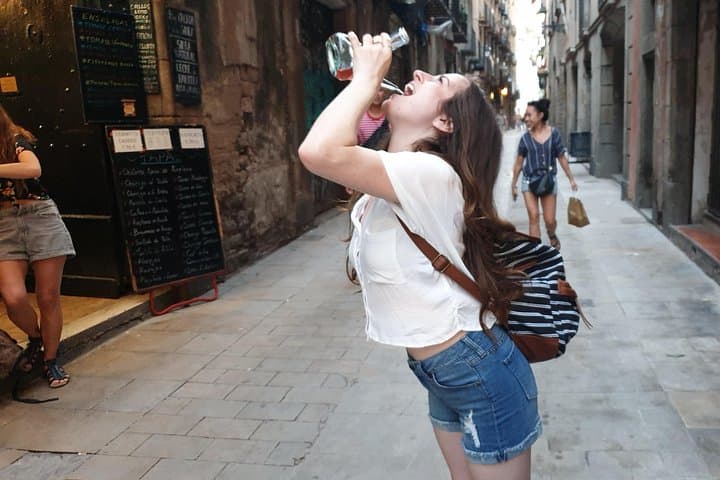
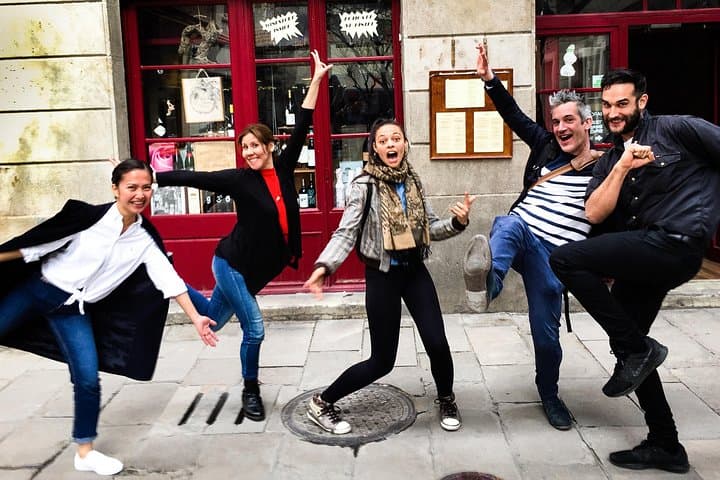
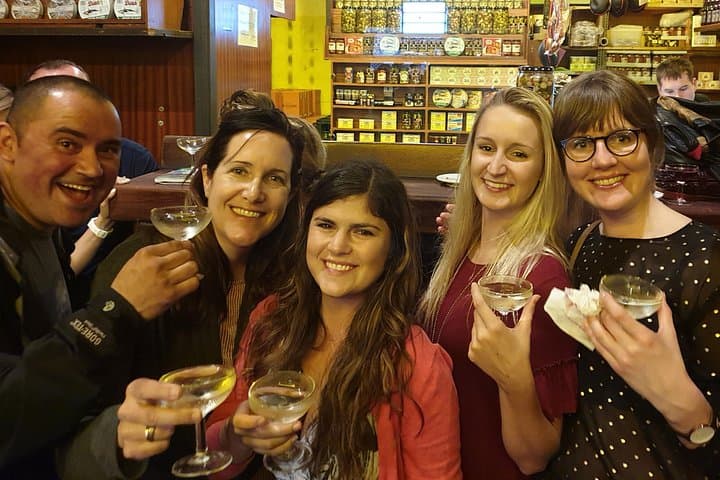
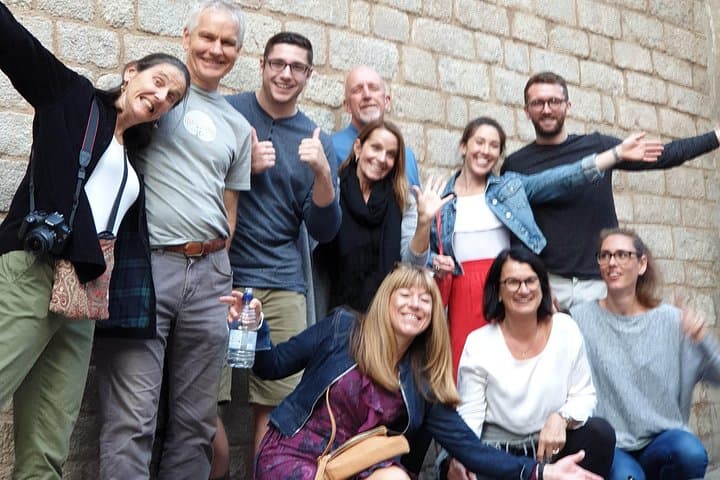
Sea air, frying oil and the clink of small glasses — the tour opens where Barceloneta’s salt-stiff breeze meets narrow streets, then threads north through El Born and the Gothic Quarter. You move in a small group, the cobbles guiding you past plazas that remember Roman merchants and medieval markets, pausing where a family-run bodega pours house Cava and a tavern serves the hot, comforting bump of a bomba.
Sea air, frying oil and the clink of small glasses — the tour opens where Barceloneta’s salt-stiff breeze meets narrow streets, then threads north through El Born and the Gothic Quarter. You move in a small group, the cobbles guiding you past plazas that remember Roman merchants and medieval markets, pausing where a family-run bodega pours house Cava and a tavern serves the hot, comforting bump of a bomba.
Barcelona began as the Roman settlement of Barcino; its layered geology — a low coastal plain cut by the Besòs and Llobregat rivers and backed by the Collserola hills — shaped trade and settlement patterns you'll hear about between tastings. El Born still carries a mercantile feel: narrow lanes, 14th-century cellars and small shops where vermut and olives hold court.
This is both a culinary and cultural walk: expect 9–10 tapas across four stops, introductions to Catalan cheeses, jamón, patatas bravas, mussels and house-made sparkling wine, plus local stories about plazas, legends and family recipes passed down generations.
Practical edge: wear supportive walking shoes (cobbles are real), bring a reusable water bottle and carry ID for legal-drinking checks. Tours run about 3.5 hours and cover 2–4 km at an easy pace with frequent seated tastings. Notify the operator of dietary restrictions in advance. Book mid-afternoon for vermut hour to see locals at their ritual; avoid the hottest midday hours in summer. The route is compact, social and designed to leave you full of flavors and context — a concentrated taste of Barcelona’s food history.