THE ADVENTURE COLLECTIVE® · Independent discovery and booking for outdoor travel

Explore Fishtown’s cocktail and beer scene on a guided 2.5-hour stroll that pairs small-batch spirits, local brews, and bar snacks with stories of the neighborhood’s industrial past and craft present. Ideal for anyone who wants context with their cocktails.
Explore Fishtown’s cocktail and beer scene on a guided 2.5-hour stroll that pairs small-batch spirits, local brews, and bar snacks with stories of the neighborhood’s industrial past and craft present. Ideal for anyone who wants context with their cocktails.
You step out of the taproom into Fishtown’s patchwork of brick and boarded-up factories that now hum with live music and the clink of cocktail glassware. The guide leads the small group down a walkable route where distillery barrels rub shoulders with bakery ovens and brewery fermenters, and the Delaware River keeps a quiet watch a few blocks over.
Verified experiences and guided adventures in the surrounding area.
Operated by City Food Tours · Philadelphia, Pennsylvania
You step out of the taproom into Fishtown’s patchwork of brick and boarded-up factories that now hum with live music and the clink of cocktail glassware. The guide leads the small group down a walkable route where distillery barrels rub shoulders with bakery ovens and brewery fermenters, and the Delaware River keeps a quiet watch a few blocks over.
Fishtown sprang from 19th-century shipbuilding and industrial trade; Prohibition shuttered many operations, but the neighborhood rebounded into a center for artisans and small-batch spirits. The streets still show that industrial geometry—long, straight blocks and repurposed carriage houses—that now host cocktail bars and taprooms. Geologically, the area sits on the river plain of the Delaware, so expect flat walking with occasional raised sidewalks and brick streets.
Culturally, this is where Philadelphia’s DIY food-and-drink scene meets serious craft distilling; you’ll hear founder stories about resurrecting rye recipes and local grain sourcing. The tour balances tasting with context: production notes, tasting order, and the small-business economics that fuel the neighborhood.
Practical guidance: arrive 15 minutes early at Philadelphia Distilling with valid ID; wear comfortable shoes for roughly 1–1.5 miles of strolling and light standing; pace yourself between flights and hydrate. Public transit and rideshares converge nearby—parking is limited. Non-alcoholic options and snacks are provided, but the tour moves at a steady but relaxed urban pace. Keep an eye on closures for local events; festivals can change walking routes. Enjoy the drinks, ask about the spirit’s local grain sources, and plan post-tour spots—Fishtown’s evening energy rarely winds down.
Yes — the tour provides non-alcoholic alternatives and snacks; inform your guide if you prefer them.
Most meeting points and stops are wheelchair accessible and the organizers note accessibility, but contact the operator in advance to confirm specific route accommodations.
Participants must be of legal drinking age to consume alcohol; non-drinking guests should check policies with the operator before booking.
The tour continues in light rain since most stops are indoors; severe weather or low bookings may prompt cancellation with refund per the operator’s policy.
City Food Tours operates guided outdoor trips and adventures with an emphasis on safety, stewardship, and memorable experiences.
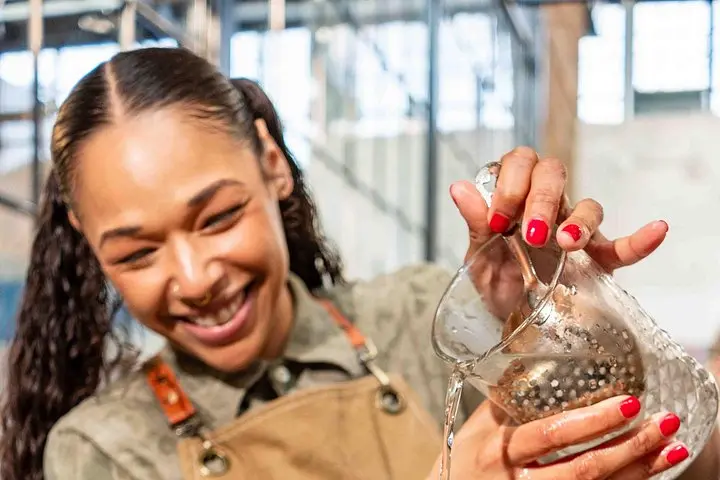
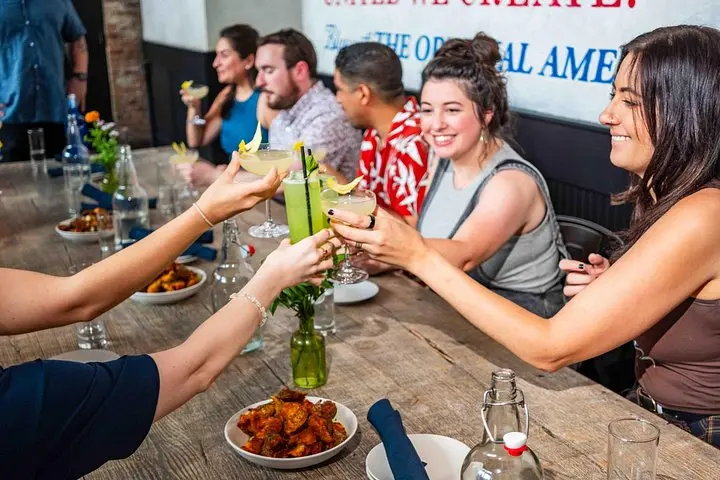
You step out of the taproom into Fishtown’s patchwork of brick and boarded-up factories that now hum with live music and the clink of cocktail glassware. The guide leads the small group down a walkable route where distillery barrels rub shoulders with bakery ovens and brewery fermenters, and the Delaware River keeps a quiet watch a few blocks over.
You step out of the taproom into Fishtown’s patchwork of brick and boarded-up factories that now hum with live music and the clink of cocktail glassware. The guide leads the small group down a walkable route where distillery barrels rub shoulders with bakery ovens and brewery fermenters, and the Delaware River keeps a quiet watch a few blocks over.
Fishtown sprang from 19th-century shipbuilding and industrial trade; Prohibition shuttered many operations, but the neighborhood rebounded into a center for artisans and small-batch spirits. The streets still show that industrial geometry—long, straight blocks and repurposed carriage houses—that now host cocktail bars and taprooms. Geologically, the area sits on the river plain of the Delaware, so expect flat walking with occasional raised sidewalks and brick streets.
Culturally, this is where Philadelphia’s DIY food-and-drink scene meets serious craft distilling; you’ll hear founder stories about resurrecting rye recipes and local grain sourcing. The tour balances tasting with context: production notes, tasting order, and the small-business economics that fuel the neighborhood.
Practical guidance: arrive 15 minutes early at Philadelphia Distilling with valid ID; wear comfortable shoes for roughly 1–1.5 miles of strolling and light standing; pace yourself between flights and hydrate. Public transit and rideshares converge nearby—parking is limited. Non-alcoholic options and snacks are provided, but the tour moves at a steady but relaxed urban pace. Keep an eye on closures for local events; festivals can change walking routes. Enjoy the drinks, ask about the spirit’s local grain sources, and plan post-tour spots—Fishtown’s evening energy rarely winds down.