THE ADVENTURE COLLECTIVE® · Independent discovery and booking for outdoor travel

Cross the Golfo Dulce by boat and spend a night at Sirena Station inside Corcovado National Park. Expect guided rainforest hikes, dawn wildlife viewing, and simple bunk accommodations in one of Costa Rica’s richest ecosystems.
Cross the Golfo Dulce by boat and spend a night at Sirena Station inside Corcovado National Park. Expect guided rainforest hikes, dawn wildlife viewing, and simple bunk accommodations in one of Costa Rica’s richest ecosystems.
The boat slips away from Puerto Jiménez before dawn, the Golfo Dulce a dark mirror punctured by the heads of dolphins and the glint of seabirds. Salt stings your lips and the coastline falls away until Sirena Beach appears — a raw ribbon of sand and primary rainforest where the station’s solar panels are the only modern outline.
Verified experiences and guided adventures in the surrounding area.
Operated by Corcovado Wild Tours · Puerto Jimenez, Puntarenas
The boat slips away from Puerto Jiménez before dawn, the Golfo Dulce a dark mirror punctured by the heads of dolphins and the glint of seabirds. Salt stings your lips and the coastline falls away until Sirena Beach appears — a raw ribbon of sand and primary rainforest where the station’s solar panels are the only modern outline.
Corcovado is one of Costa Rica’s most biodiverse reserves, formed on volcanic and alluvial soils that feed lush lowland forest. The Osa Peninsula’s geology — steep ridges, river valleys, and coastal shoals — creates habitats for scarlet macaws, white‑faced capuchins, and the region’s elusive lowland tapir. Indigenous peoples and coastal fishing communities shaped the cultural map here; today small, family‑run tour operators steward access while the park protects habitats established in the 1970s.
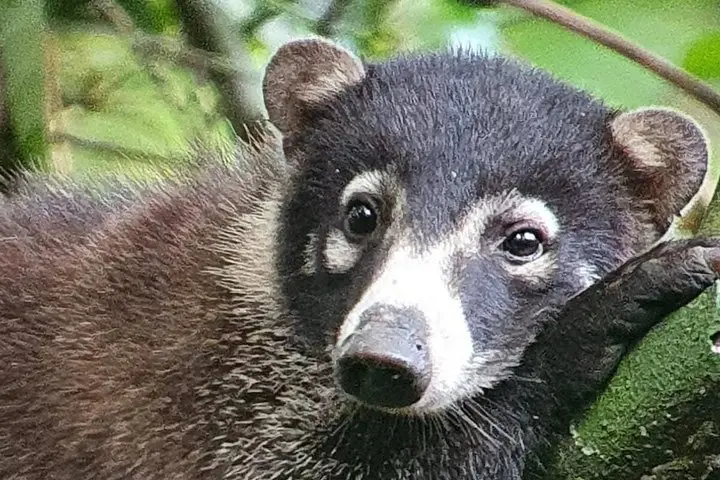
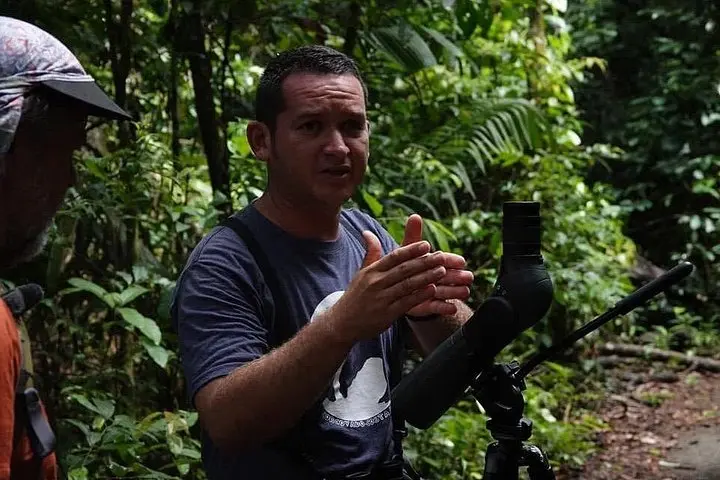
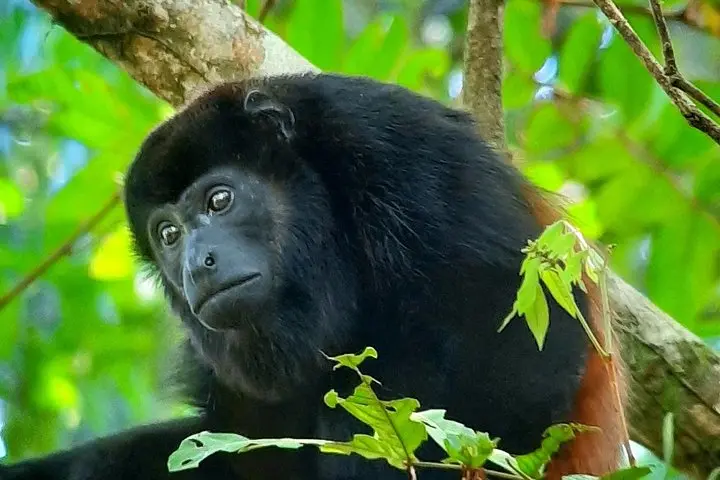
Expect guided, terrain‑varied hikes from Sirena Station: muddy trail tread, braided river crossings, and open ridge viewpoints where waves pressure the horizon. Wildlife sightings spike at first light and dusk; guides read spoor and canopy calls to find social groups. Nights are simple — platform bunks, mosquito nets, and the distant chorus of frogs.
Practical notes: boats run early and require water shoes for beach landings; pack light layers, reusable water bottles, quick‑dry clothing, and insect repellent. Fitness-wise, be ready for multiple hours of walking on uneven ground and humidity that amplifies effort.
This trip blends strenuous rainforest walking, intimate wildlife encounters, and minimalist jungle camping — a concentrated two‑day window into one of the planet’s wildest coastal forests.
The morning boat is about 1.5 hours across Golfo Dulce; it can be choppy — bring anti‑nausea meds if you’re prone to seasickness.
Sirena provides platform bunk beds with mosquito nets, pillows, and blankets; accommodations are communal and rustic, not hotel‑style.
The itinerary includes lunches, breakfast, and the station’s meals as listed; round‑trip boat transport and park admission are included via the operator.
Not recommended for very young children, pregnant travelers, or those with serious spinal or heart conditions due to boat travel and rugged trails.
Corcovado Wild Tours operates guided outdoor trips and adventures with an emphasis on safety, stewardship, and memorable experiences.
The boat slips away from Puerto Jiménez before dawn, the Golfo Dulce a dark mirror punctured by the heads of dolphins and the glint of seabirds. Salt stings your lips and the coastline falls away until Sirena Beach appears — a raw ribbon of sand and primary rainforest where the station’s solar panels are the only modern outline.
The boat slips away from Puerto Jiménez before dawn, the Golfo Dulce a dark mirror punctured by the heads of dolphins and the glint of seabirds. Salt stings your lips and the coastline falls away until Sirena Beach appears — a raw ribbon of sand and primary rainforest where the station’s solar panels are the only modern outline.
Corcovado is one of Costa Rica’s most biodiverse reserves, formed on volcanic and alluvial soils that feed lush lowland forest. The Osa Peninsula’s geology — steep ridges, river valleys, and coastal shoals — creates habitats for scarlet macaws, white‑faced capuchins, and the region’s elusive lowland tapir. Indigenous peoples and coastal fishing communities shaped the cultural map here; today small, family‑run tour operators steward access while the park protects habitats established in the 1970s.
Expect guided, terrain‑varied hikes from Sirena Station: muddy trail tread, braided river crossings, and open ridge viewpoints where waves pressure the horizon. Wildlife sightings spike at first light and dusk; guides read spoor and canopy calls to find social groups. Nights are simple — platform bunks, mosquito nets, and the distant chorus of frogs.
Practical notes: boats run early and require water shoes for beach landings; pack light layers, reusable water bottles, quick‑dry clothing, and insect repellent. Fitness-wise, be ready for multiple hours of walking on uneven ground and humidity that amplifies effort.
This trip blends strenuous rainforest walking, intimate wildlife encounters, and minimalist jungle camping — a concentrated two‑day window into one of the planet’s wildest coastal forests.