THE ADVENTURE COLLECTIVE® · Independent discovery and booking for outdoor travel

A three-day push from Puerto Jiménez into Sirena Ranger Station is the most direct way to experience Corcovado’s primary lowland rainforest. Expect long days on wet trails, intense biodiversity, and basic ranger-station lodging.
A three-day push from Puerto Jiménez into Sirena Ranger Station is the most direct way to experience Corcovado’s primary lowland rainforest. Expect long days on wet trails, intense biodiversity, and basic ranger-station lodging.
Before sunrise the Osa Peninsula breathes like a living thing. Travelers leave Puerto Jiménez in the dark, the boat skimming glassy water toward Carate; the guide’s headlamp cuts through mist and the first birds begin to insist on morning. From Carate a 20-kilometer push earns entry to Sirena Ranger Station—7–9 hours of river crossings, muddy slopes and lowland rainforest alive with sound.
Verified experiences and guided adventures in the surrounding area.
Operated by Agencia de Viajes Costa Rica te Enamora · Puerto Jiménez, Puntarenas
Before sunrise the Osa Peninsula breathes like a living thing. Travelers leave Puerto Jiménez in the dark, the boat skimming glassy water toward Carate; the guide’s headlamp cuts through mist and the first birds begin to insist on morning. From Carate a 20-kilometer push earns entry to Sirena Ranger Station—7–9 hours of river crossings, muddy slopes and lowland rainforest alive with sound.
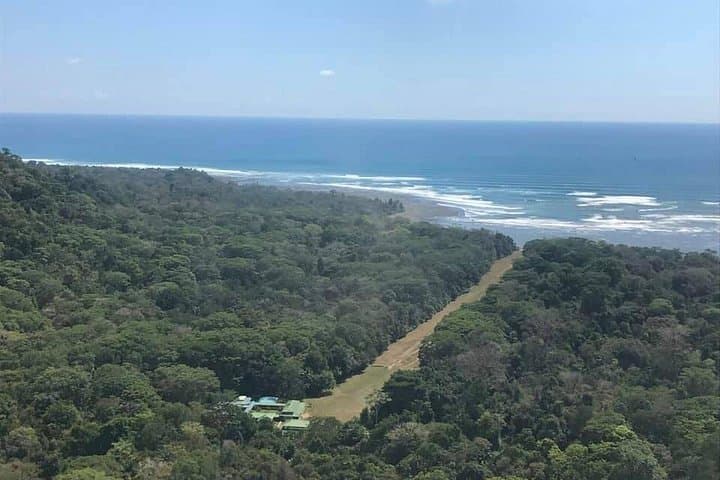
Corcovado National Park protects one of Costa Rica’s last expanses of primary lowland forest, established in 1975 to safeguard the area’s exceptional biodiversity. Geologically the park is coastal and alluvial, with sandy beaches giving way to steep, dissected rainforest and fluvial terraces that shape the trails. Culturally, the Osa’s settlements—Carate and Puerto Jiménez—have long ties to fishing and small-scale agriculture; rangers and local guides carry much of the conservation knowledge shared on the route.
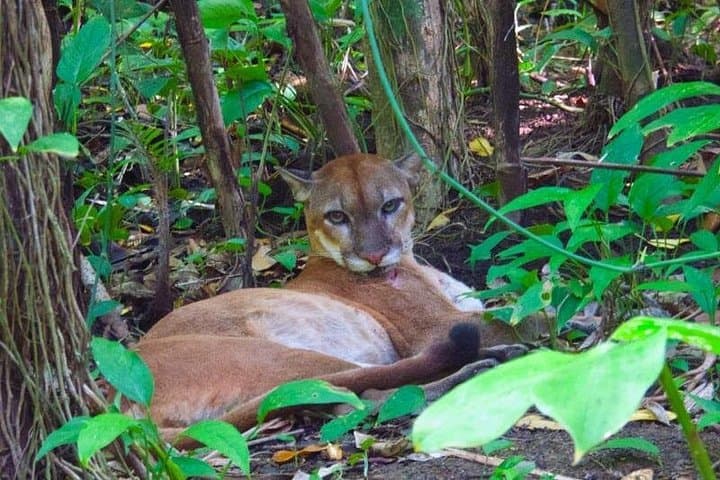
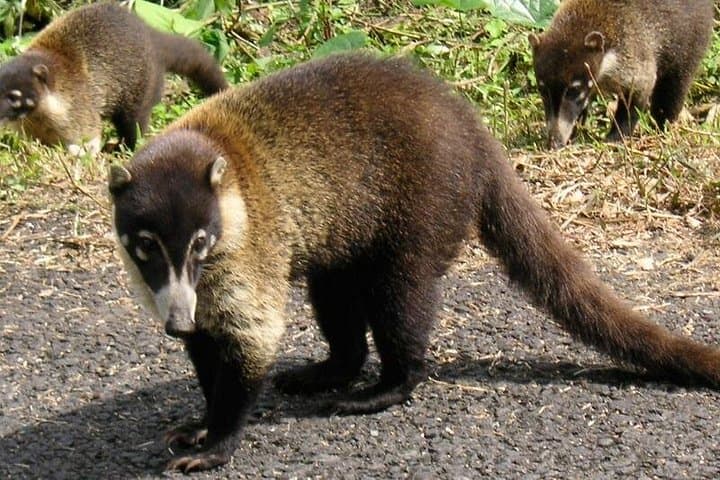
Expect days paced by wildlife encounters: howler choruses at dawn, scarlet macaws flashing above the canopy, tracks of tapir and peccary in the understory. Sirena itself is a working ranger post with simple sleeping arrangements and a focus on low-impact stays.
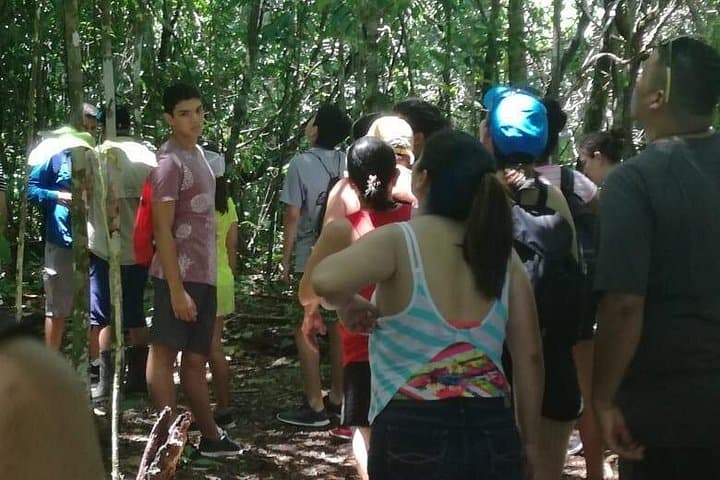
Practical edge: travel light but tough—waterproof boots, layered quick-dry clothes, insect protection and a reliable headlamp. The first and last days are long; the middle day is slower, for guided walks in ancient forest. Guides handle logistics and park permits, but hikers should be prepared for wet-weather river crossings and limited facilities. Timing your visit in the drier months reduces mud and swollen rivers, though Corcovado’s weather is famously unpredictable.
Yes—this tour includes national park entrance fees and the Sirena Station permit as part of the package.
Accommodation is basic ranger-station style—dorm or simple cabins with communal areas; amenities are limited and electricity may be intermittent.
Not recommended for very young children or those unaccustomed to full-day jungle hikes; participants should have moderate to strong hiking experience.
Yes—during heavy rains rivers can swell; guides assess conditions daily and may alter routes or postpone crossings for safety.
Agencia de Viajes Costa Rica te Enamora operates guided outdoor trips and adventures with an emphasis on safety, stewardship, and memorable experiences.
Before sunrise the Osa Peninsula breathes like a living thing. Travelers leave Puerto Jiménez in the dark, the boat skimming glassy water toward Carate; the guide’s headlamp cuts through mist and the first birds begin to insist on morning. From Carate a 20-kilometer push earns entry to Sirena Ranger Station—7–9 hours of river crossings, muddy slopes and lowland rainforest alive with sound.
Before sunrise the Osa Peninsula breathes like a living thing. Travelers leave Puerto Jiménez in the dark, the boat skimming glassy water toward Carate; the guide’s headlamp cuts through mist and the first birds begin to insist on morning. From Carate a 20-kilometer push earns entry to Sirena Ranger Station—7–9 hours of river crossings, muddy slopes and lowland rainforest alive with sound.
Corcovado National Park protects one of Costa Rica’s last expanses of primary lowland forest, established in 1975 to safeguard the area’s exceptional biodiversity. Geologically the park is coastal and alluvial, with sandy beaches giving way to steep, dissected rainforest and fluvial terraces that shape the trails. Culturally, the Osa’s settlements—Carate and Puerto Jiménez—have long ties to fishing and small-scale agriculture; rangers and local guides carry much of the conservation knowledge shared on the route.
Expect days paced by wildlife encounters: howler choruses at dawn, scarlet macaws flashing above the canopy, tracks of tapir and peccary in the understory. Sirena itself is a working ranger post with simple sleeping arrangements and a focus on low-impact stays.
Practical edge: travel light but tough—waterproof boots, layered quick-dry clothes, insect protection and a reliable headlamp. The first and last days are long; the middle day is slower, for guided walks in ancient forest. Guides handle logistics and park permits, but hikers should be prepared for wet-weather river crossings and limited facilities. Timing your visit in the drier months reduces mud and swollen rivers, though Corcovado’s weather is famously unpredictable.