THE ADVENTURE COLLECTIVE® · Independent discovery and booking for outdoor travel

Leave Quepos before dawn for a 14-hour expedition to Sirena Station in Corcovado National Park. Expect long rainforest hikes, river crossings, and rare wildlife viewing led by certified naturalist guides.
Leave Quepos before dawn for a 14-hour expedition to Sirena Station in Corcovado National Park. Expect long rainforest hikes, river crossings, and rare wildlife viewing led by certified naturalist guides.
Dawn arrives in a chorus of howler monkeys as the van eases out of Quepos and the coast blurs into mangrove channels. By 4 a.m. you’ll move from paved roads to a skiff that cuts through the Sierpe estuary, the sea scent sharpening as the Osa Peninsula opens up. Sirena Station sits remote and uncompromising — a ranger outpost surrounded by primary forest, long beaches and the constant rustle of wildlife.
Verified experiences and guided adventures in the surrounding area.
Operated by Manuel's Tours, Costa Rica. · Quepos, Puntarenas
Dawn arrives in a chorus of howler monkeys as the van eases out of Quepos and the coast blurs into mangrove channels. By 4 a.m. you’ll move from paved roads to a skiff that cuts through the Sierpe estuary, the sea scent sharpening as the Osa Peninsula opens up. Sirena Station sits remote and uncompromising — a ranger outpost surrounded by primary forest, long beaches and the constant rustle of wildlife.
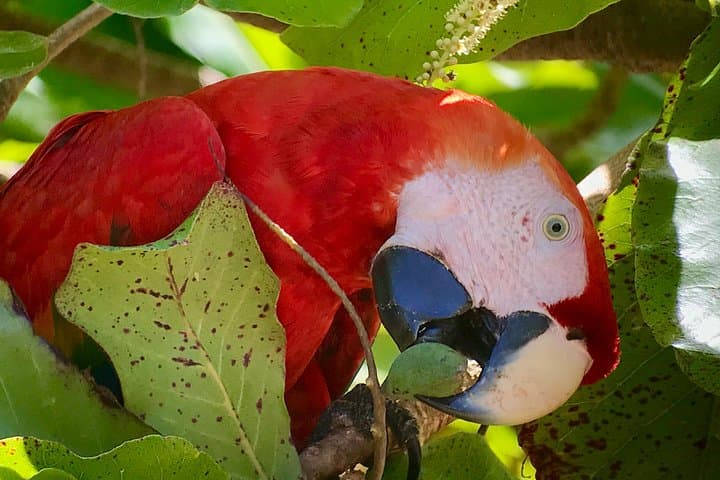
Corcovado was designated a national park in 1975 to protect one of the largest remnants of Pacific lowland rainforest in Central America. Geologically the Osa is young volcanic and alluvial terrain; sediments and streams create beaches, tidal flats and steep ridgelines that funnel nutrients into a rich coastal marine zone. Local guides combine biological knowledge and digiscoping skills to point out scarlet macaws, tapirs, and the occasional manta or dolphin offshore.
Practical: this is a long, demanding day — expect 14 hours door-to-door with two separate hikes over muddy rainforest trails, rocky beaches and river crossings. Footwear with grip, a secure daypack, reusable water bottle and a rain shell are essential. You must provide passport details for the park permit; single-use plastics are banned and food is not allowed in the park. Guides provide bilingual commentary, spotting-scope photos and a pace set for wildlife viewing rather than speed. Timing matters: start early to avoid midday heat and maximize animal activity in the cooler morning. If you’re fit, comfortable on uneven, wet terrain and willing to trade convenience for raw biodiversity, Sirena delivers one of Costa Rica’s most visceral wildlife encounters.
This is a full 14-hour day with two separate hikes over muddy, uneven terrain; participants should be in good physical condition and able to hike for several hours at a steady pace.
You must submit full names, passport numbers and nationalities for national park entry — guides will request this information at booking.
Breakfast and lunch at Sirena Station are included; guides may provide photos and digiscope images of wildlife taken during the tour.
The operator does not recommend children under 7; the itinerary is long and physically demanding and includes remote sections.
Manuel's Tours, Costa Rica. operates guided outdoor trips and adventures with an emphasis on safety, stewardship, and memorable experiences.
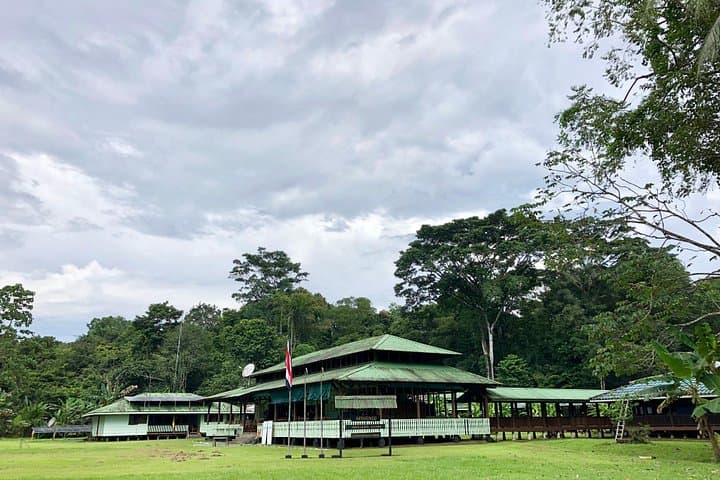


Dawn arrives in a chorus of howler monkeys as the van eases out of Quepos and the coast blurs into mangrove channels. By 4 a.m. you’ll move from paved roads to a skiff that cuts through the Sierpe estuary, the sea scent sharpening as the Osa Peninsula opens up. Sirena Station sits remote and uncompromising — a ranger outpost surrounded by primary forest, long beaches and the constant rustle of wildlife.
Dawn arrives in a chorus of howler monkeys as the van eases out of Quepos and the coast blurs into mangrove channels. By 4 a.m. you’ll move from paved roads to a skiff that cuts through the Sierpe estuary, the sea scent sharpening as the Osa Peninsula opens up. Sirena Station sits remote and uncompromising — a ranger outpost surrounded by primary forest, long beaches and the constant rustle of wildlife.
Corcovado was designated a national park in 1975 to protect one of the largest remnants of Pacific lowland rainforest in Central America. Geologically the Osa is young volcanic and alluvial terrain; sediments and streams create beaches, tidal flats and steep ridgelines that funnel nutrients into a rich coastal marine zone. Local guides combine biological knowledge and digiscoping skills to point out scarlet macaws, tapirs, and the occasional manta or dolphin offshore.
Practical: this is a long, demanding day — expect 14 hours door-to-door with two separate hikes over muddy rainforest trails, rocky beaches and river crossings. Footwear with grip, a secure daypack, reusable water bottle and a rain shell are essential. You must provide passport details for the park permit; single-use plastics are banned and food is not allowed in the park. Guides provide bilingual commentary, spotting-scope photos and a pace set for wildlife viewing rather than speed. Timing matters: start early to avoid midday heat and maximize animal activity in the cooler morning. If you’re fit, comfortable on uneven, wet terrain and willing to trade convenience for raw biodiversity, Sirena delivers one of Costa Rica’s most visceral wildlife encounters.