THE ADVENTURE COLLECTIVE® · Independent discovery and booking for outdoor travel

A two-hour walking tour that pairs savory Jewish food samples with on-street history in Manhattan’s Lower East Side. Follow merchants’ routes, visit historic landmarks, and learn how markets shaped immigrant life.
A two-hour walking tour that pairs savory Jewish food samples with on-street history in Manhattan’s Lower East Side. Follow merchants’ routes, visit historic landmarks, and learn how markets shaped immigrant life.
The walk begins on a crowded sidewalk where the smell of pickles and frying dough cuts through the city's noise. You step under awnings, follow faded brick facades and feel the street's rhythm — pushcart routes that once moved at dawn now hum with coffee lines and deli chatter.
Verified experiences and guided adventures in the surrounding area.
Operated by Richard Soden · New York, NY
The walk begins on a crowded sidewalk where the smell of pickles and frying dough cuts through the city's noise. You step under awnings, follow faded brick facades and feel the street's rhythm — pushcart routes that once moved at dawn now hum with coffee lines and deli chatter.
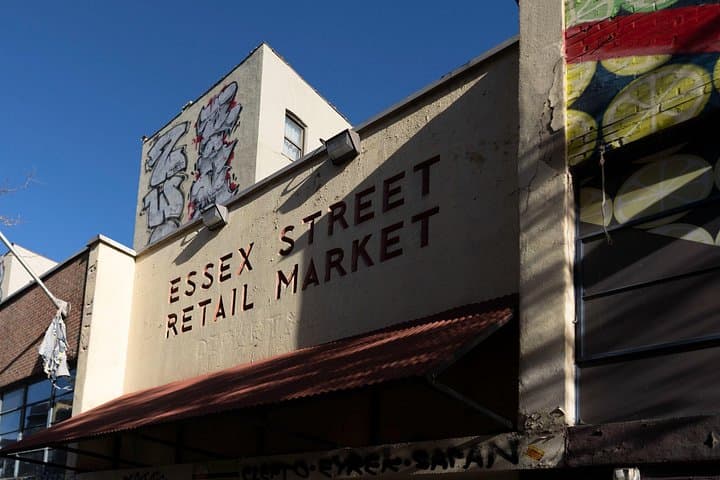
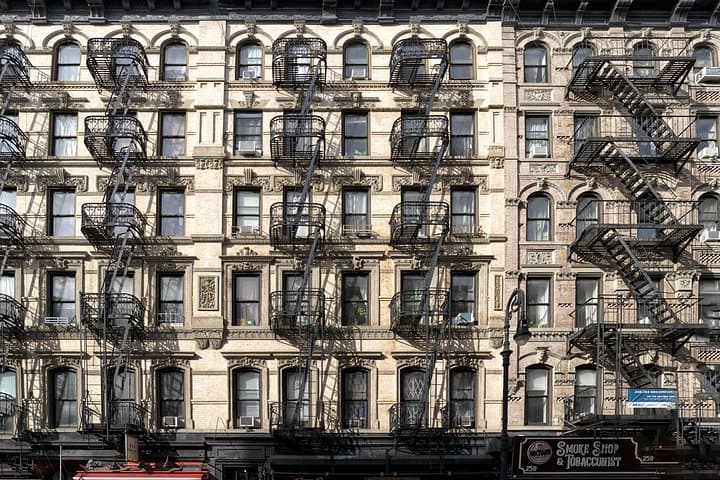
This part of Manhattan was a landing place for Jewish immigrants from the 1880s through the 1920s. Tenement buildings rise on Manhattan schist, their basements and narrow courtyards shaping daily life. Learn how pushcarts and small shops turned survival into community, and how markets like Essex evolved from open-air stalls to the regulated market halls of today.
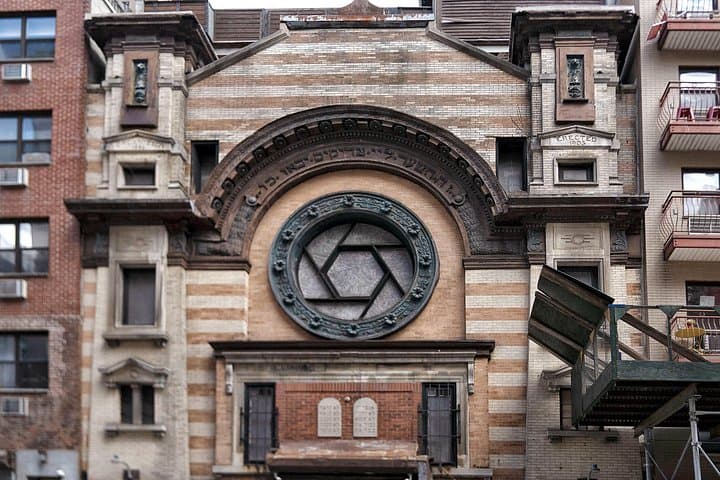
Culturally, the LES keeps traditions alive in recipes and signage: salted herring, matzo, hand-rolled bagels. Local stories include social clubs, Yiddish theaters, and the reform movements that climbed out of cramped rooms into civic life. Even the parks tell a story — Seward Park's statue of Togo links a global saga to a neighborhood corner.
Practical guidance: the tour covers roughly two hours of mostly flat walking with short stops at three food vendors; wear supportive shoes and bring a small bottle of water. Carry cards and some cash for incidental purchases, and plan to use the subway — the route finishes near F/M/J stations. If you have dietary restrictions or mobility concerns, notify the operator before booking. Expect close quarters at sampling stops and steady pedestrian traffic; timing a morning or late-afternoon slot eases the crowd and makes flavors more approachable.
Yes — the itinerary includes three food stops with traditional items, though extra purchases are optional.
Notify the operator at booking; many vendors can offer alternatives but advance notice improves options.
The tour is stroller-accessible in many sections and generally flat, but older storefronts may have steps; contact the operator for specifics.
Meeting details are provided on your voucher, commonly in the Lower East Side near Seward Park or Orchard Street; the tour ends near F/M/J subway stations.
Richard Soden operates guided outdoor trips and adventures with an emphasis on safety, stewardship, and memorable experiences.
The walk begins on a crowded sidewalk where the smell of pickles and frying dough cuts through the city's noise. You step under awnings, follow faded brick facades and feel the street's rhythm — pushcart routes that once moved at dawn now hum with coffee lines and deli chatter.
The walk begins on a crowded sidewalk where the smell of pickles and frying dough cuts through the city's noise. You step under awnings, follow faded brick facades and feel the street's rhythm — pushcart routes that once moved at dawn now hum with coffee lines and deli chatter.
This part of Manhattan was a landing place for Jewish immigrants from the 1880s through the 1920s. Tenement buildings rise on Manhattan schist, their basements and narrow courtyards shaping daily life. Learn how pushcarts and small shops turned survival into community, and how markets like Essex evolved from open-air stalls to the regulated market halls of today.
Culturally, the LES keeps traditions alive in recipes and signage: salted herring, matzo, hand-rolled bagels. Local stories include social clubs, Yiddish theaters, and the reform movements that climbed out of cramped rooms into civic life. Even the parks tell a story — Seward Park's statue of Togo links a global saga to a neighborhood corner.
Practical guidance: the tour covers roughly two hours of mostly flat walking with short stops at three food vendors; wear supportive shoes and bring a small bottle of water. Carry cards and some cash for incidental purchases, and plan to use the subway — the route finishes near F/M/J stations. If you have dietary restrictions or mobility concerns, notify the operator before booking. Expect close quarters at sampling stops and steady pedestrian traffic; timing a morning or late-afternoon slot eases the crowd and makes flavors more approachable.