THE ADVENTURE COLLECTIVE® · Independent discovery and booking for outdoor travel
Spend a day from Rio exploring Roberto Burle Marx’s landmark gardens, touring a working cachaça distillery, and finishing with wild Atlantic beaches or folk-art museums—private pickup included.
Spend a day from Rio exploring Roberto Burle Marx’s landmark gardens, touring a working cachaça distillery, and finishing with wild Atlantic beaches or folk-art museums—private pickup included.
A slow coastal dawn opens as the van moves west from Rio’s South Zone: Atlantic wind presses salt to the windows and the city loosens its grip. Arriving at Sitio Burle Marx, visitors step into Roberto Burle Marx’s living experiment—groves of bromeliads, sculptural palms and ribboning paths that the landscape architect arranged with painter’s sensibility.
Verified experiences and guided adventures in the surrounding area.
Operated by Gray Line Brazil · Rio de Janeiro, Rio de Janeiro
A slow coastal dawn opens as the van moves west from Rio’s South Zone: Atlantic wind presses salt to the windows and the city loosens its grip. Arriving at Sitio Burle Marx, visitors step into Roberto Burle Marx’s living experiment—groves of bromeliads, sculptural palms and ribboning paths that the landscape architect arranged with painter’s sensibility.
The day pairs botanical curiosity with regional culture. Burle Marx, active through the 20th century, championed native Brazilian flora and turned modernist landscape design into a national language. After the site’s museum tour, the route folds into the agricultural side of local life at Max Cana, a working cachaça distillery where copper stills, aging barrels and cane fields explain Brazil’s national spirit more clearly than any textbook.
Geology here is simple: sandy coastal benches backed by low metamorphic ridges, resting against patches of Atlantic Forest and restinga vegetation. Cultural layers include fishermen’s hamlets and mid-century collectors who preserved popular art; museums on the itinerary highlight that creative lineage.
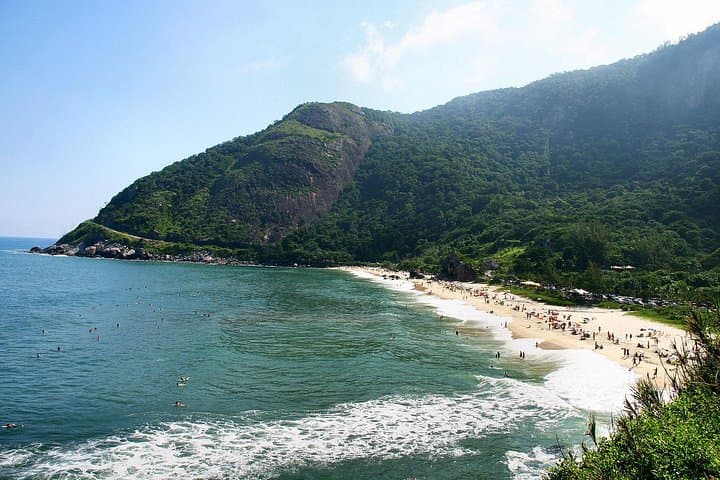
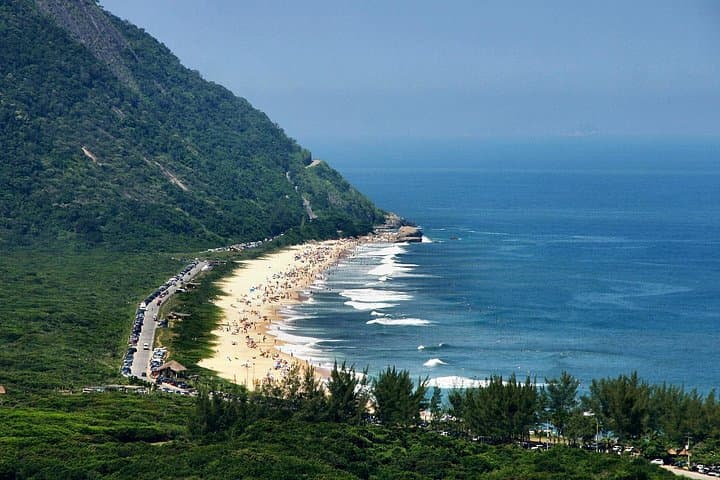
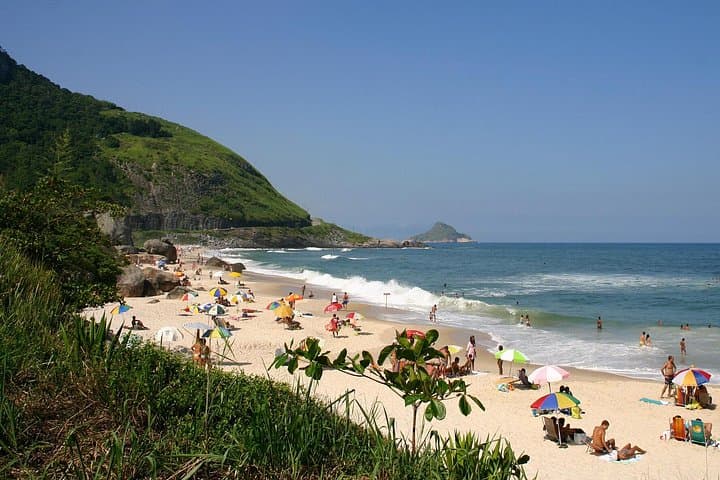
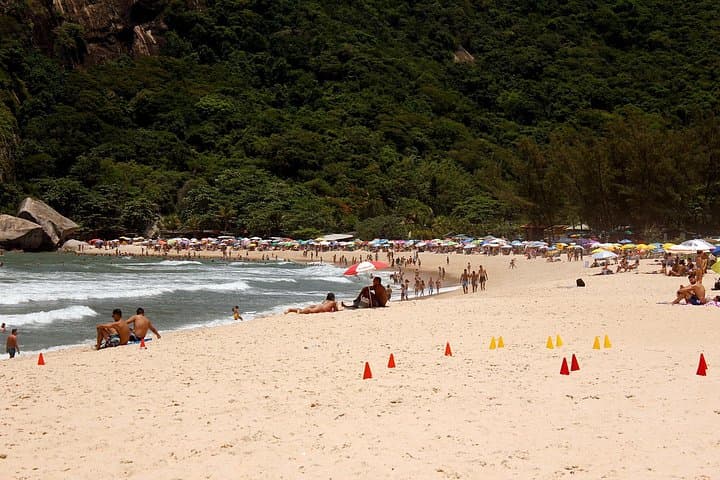
Practically, the tour is paced—roughly a full day with photography stops, a distillery walkthrough, and optional free time at Grumari or Prainha beaches or visits to the House of Pontal and the Soccer Confederation Museum.
Expect light walking on garden paths and uneven surfaces at the distillery. Bring sun protection, a refillable water bottle and cash for craft cachaça. Swimming is optional and weather-dependent; guides adjust the afternoon to museums if seas are rough. The private format makes the day flexible and suitable for most travelers seeking a botanical, culinary and coastal snapshot of Rio beyond the beaches.
Yes—pickup from hotels in Rio’s South Zone and Barra da Tijuca is included; confirm your pickup point at booking.
Entrance to Sitio Burle Marx is included; some museum options may require on-the-spot payment and distillery tastings or paddle sessions are paid locally.
Yes—Grumari or Prainha stops offer free time to swim when conditions are safe; the guide will advise against swimming in rough seas.
The tour is described as stroller-accessible and physically easy, but some paths and distillery areas have steps or uneven ground.
Gray Line Brazil operates guided outdoor trips and adventures with an emphasis on safety, stewardship, and memorable experiences.
A slow coastal dawn opens as the van moves west from Rio’s South Zone: Atlantic wind presses salt to the windows and the city loosens its grip. Arriving at Sitio Burle Marx, visitors step into Roberto Burle Marx’s living experiment—groves of bromeliads, sculptural palms and ribboning paths that the landscape architect arranged with painter’s sensibility.
A slow coastal dawn opens as the van moves west from Rio’s South Zone: Atlantic wind presses salt to the windows and the city loosens its grip. Arriving at Sitio Burle Marx, visitors step into Roberto Burle Marx’s living experiment—groves of bromeliads, sculptural palms and ribboning paths that the landscape architect arranged with painter’s sensibility.
The day pairs botanical curiosity with regional culture. Burle Marx, active through the 20th century, championed native Brazilian flora and turned modernist landscape design into a national language. After the site’s museum tour, the route folds into the agricultural side of local life at Max Cana, a working cachaça distillery where copper stills, aging barrels and cane fields explain Brazil’s national spirit more clearly than any textbook.
Geology here is simple: sandy coastal benches backed by low metamorphic ridges, resting against patches of Atlantic Forest and restinga vegetation. Cultural layers include fishermen’s hamlets and mid-century collectors who preserved popular art; museums on the itinerary highlight that creative lineage.
Practically, the tour is paced—roughly a full day with photography stops, a distillery walkthrough, and optional free time at Grumari or Prainha beaches or visits to the House of Pontal and the Soccer Confederation Museum.
Expect light walking on garden paths and uneven surfaces at the distillery. Bring sun protection, a refillable water bottle and cash for craft cachaça. Swimming is optional and weather-dependent; guides adjust the afternoon to museums if seas are rough. The private format makes the day flexible and suitable for most travelers seeking a botanical, culinary and coastal snapshot of Rio beyond the beaches.
