THE ADVENTURE COLLECTIVE® · Independent discovery and booking for outdoor travel

Explore Sitka Sound on a 2.5-hour small-group boat tour through the Tongass rainforest coastline. Expect sea otters, bald eagles, whale spouts, and late-summer brown bear viewing at salmon streams.
Explore Sitka Sound on a 2.5-hour small-group boat tour through the Tongass rainforest coastline. Expect sea otters, bald eagles, whale spouts, and late-summer brown bear viewing at salmon streams.
The boat slips from Sitka’s pier and the shore falls away into a palette of spruce and granite. Salt spray cools your face as the captain threads between rocky points, and the Tongass rainforest leans to the water, its canopy daring you to look closer. Bald eagles wheel above kelp beds; sea otters float like sentinels on their backs, and the distant spouts of humpbacks punctuate the horizon.
Verified experiences and guided adventures in the surrounding area.
Operated by Sitka Nautical Tours · Sitka, Alaska
The boat slips from Sitka’s pier and the shore falls away into a palette of spruce and granite. Salt spray cools your face as the captain threads between rocky points, and the Tongass rainforest leans to the water, its canopy daring you to look closer. Bald eagles wheel above kelp beds; sea otters float like sentinels on their backs, and the distant spouts of humpbacks punctuate the horizon.
This coastline carries layers of history: Tlingit stewardship for millennia, the clash of 1804’s Battle of Sitka, and decades of Russian and American maritime activity. Geologically, Sitka Sound is carved by glacial action and uplifted bedrock—steep shorelines and hidden coves where salmon run and waterfalls fall into tidewater. Local culture is visible in Totem Park carvings and fisheries that still shape daily life.
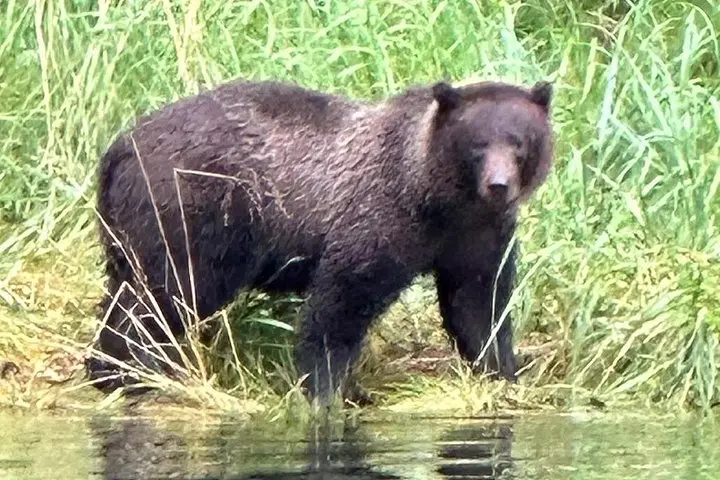
Expect focused wildlife viewing rather than a high-speed safari. Operators follow U.S. Coast Guard safety rules and often pause near seal haul-outs, otter rafts, and productive whale lanes. Late July through October increases the odds of brown bear sightings at river mouths as salmon arrive; spring and early summer bring nascent whale migration and active seabird colonies.
Practical guidance: dress in layered, waterproof clothing and wear sturdy, non-slip shoes. Bring motion-sickness prevention if you’re susceptible, a camera with a telephoto lens, and binoculars (the guide often supplies optics). Tours run about 2.5 hours, return to the departure point (with occasional cruise-ship terminal drop-offs), and are accessible to most fitness levels—infants must sit on laps. Keep distance from wildlife, listen to your guide, and carry a small dry bag for essentials.
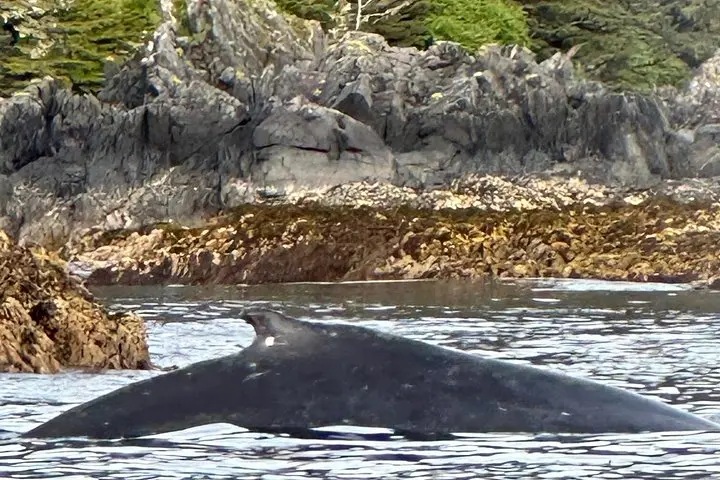
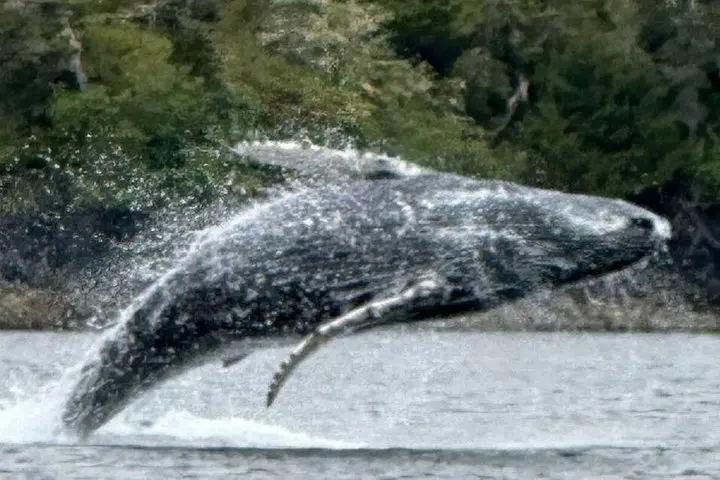
Whale sightings are common—humpbacks and gray whales are frequently seen; orcas are occasional. Sightings vary with season and forage conditions.
Yes—strollers are allowed for boarding but infants must sit on an adult’s lap for safety; inform the operator when booking.
Late July through October coincides with salmon runs and raises the likelihood of spotting brown bears at rivers and waterfalls.
Tours follow U.S. Coast Guard regulations; operators will cancel for hazardous weather and provide life jackets and safety briefings.
Sitka Nautical Tours operates guided outdoor trips and adventures with an emphasis on safety, stewardship, and memorable experiences.
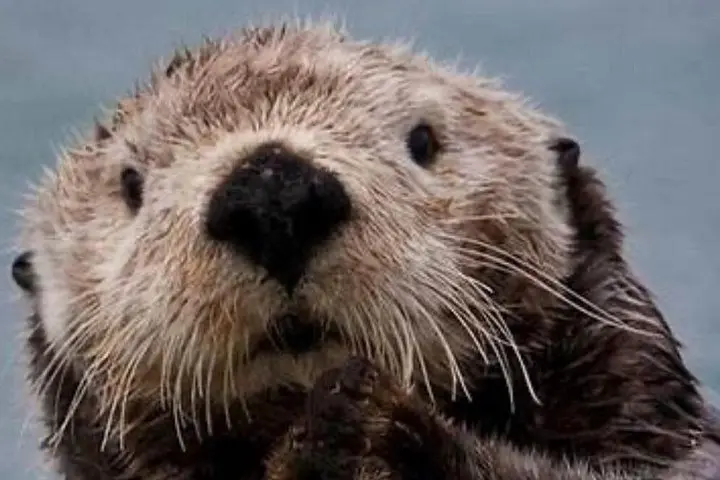
The boat slips from Sitka’s pier and the shore falls away into a palette of spruce and granite. Salt spray cools your face as the captain threads between rocky points, and the Tongass rainforest leans to the water, its canopy daring you to look closer. Bald eagles wheel above kelp beds; sea otters float like sentinels on their backs, and the distant spouts of humpbacks punctuate the horizon.
The boat slips from Sitka’s pier and the shore falls away into a palette of spruce and granite. Salt spray cools your face as the captain threads between rocky points, and the Tongass rainforest leans to the water, its canopy daring you to look closer. Bald eagles wheel above kelp beds; sea otters float like sentinels on their backs, and the distant spouts of humpbacks punctuate the horizon.
This coastline carries layers of history: Tlingit stewardship for millennia, the clash of 1804’s Battle of Sitka, and decades of Russian and American maritime activity. Geologically, Sitka Sound is carved by glacial action and uplifted bedrock—steep shorelines and hidden coves where salmon run and waterfalls fall into tidewater. Local culture is visible in Totem Park carvings and fisheries that still shape daily life.
Expect focused wildlife viewing rather than a high-speed safari. Operators follow U.S. Coast Guard safety rules and often pause near seal haul-outs, otter rafts, and productive whale lanes. Late July through October increases the odds of brown bear sightings at river mouths as salmon arrive; spring and early summer bring nascent whale migration and active seabird colonies.
Practical guidance: dress in layered, waterproof clothing and wear sturdy, non-slip shoes. Bring motion-sickness prevention if you’re susceptible, a camera with a telephoto lens, and binoculars (the guide often supplies optics). Tours run about 2.5 hours, return to the departure point (with occasional cruise-ship terminal drop-offs), and are accessible to most fitness levels—infants must sit on laps. Keep distance from wildlife, listen to your guide, and carry a small dry bag for essentials.