THE ADVENTURE COLLECTIVE® · Independent discovery and booking for outdoor travel

Escape to Siwa's western desert for sandboarding, thermal springs and a desert camp sunset. This short 4x4 safari mixes geology, local culture and hands-on dune play for a compact desert evening.
Escape to Siwa's western desert for sandboarding, thermal springs and a desert camp sunset. This short 4x4 safari mixes geology, local culture and hands-on dune play for a compact desert evening.
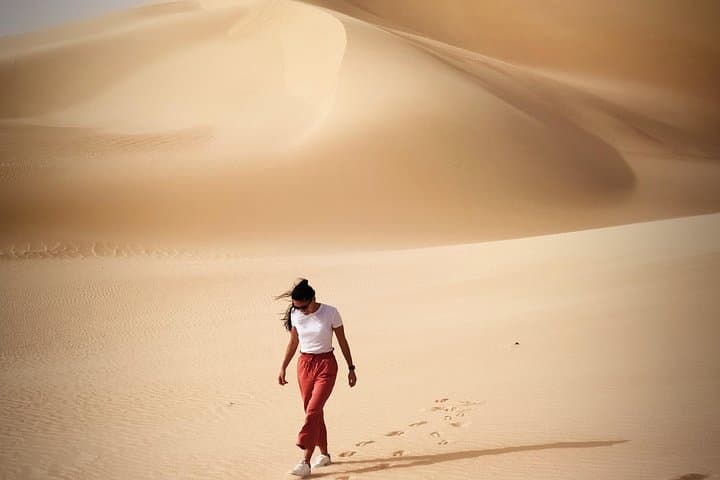
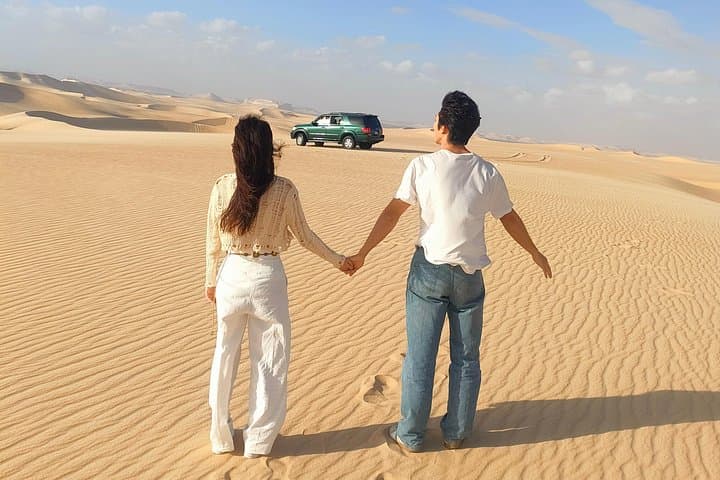
The day begins with the low sun striking the dunes gold as a 4x4 eases away from the palm-ringed Siwa town and into the wide Western Desert. Wind-sculpted ridges rise and fall like liquid stone; the vehicle sprays sand in short bursts while the guide stops for panoramic frames and a quick lesson for first-time sandboarders.
Verified experiences and guided adventures in the surrounding area.
Operated by Windows of Siwa · Siwa, Matrouh Governorate
The day begins with the low sun striking the dunes gold as a 4x4 eases away from the palm-ringed Siwa town and into the wide Western Desert. Wind-sculpted ridges rise and fall like liquid stone; the vehicle sprays sand in short bursts while the guide stops for panoramic frames and a quick lesson for first-time sandboarders.
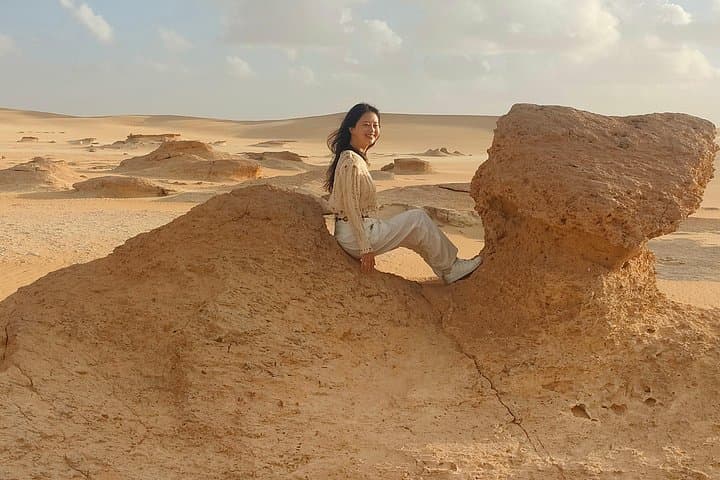
Siwa Oasis has a layered history: a Greek-era oracle where Alexander the Great sought counsel, and pharaonic-era trade routes that made the oasis a cultural crossroads. Geologically the area is an inland depression of limestone and ancient seabed — fossils in the desert date back tens of millions of years and show when this basin hosted shallow seas.
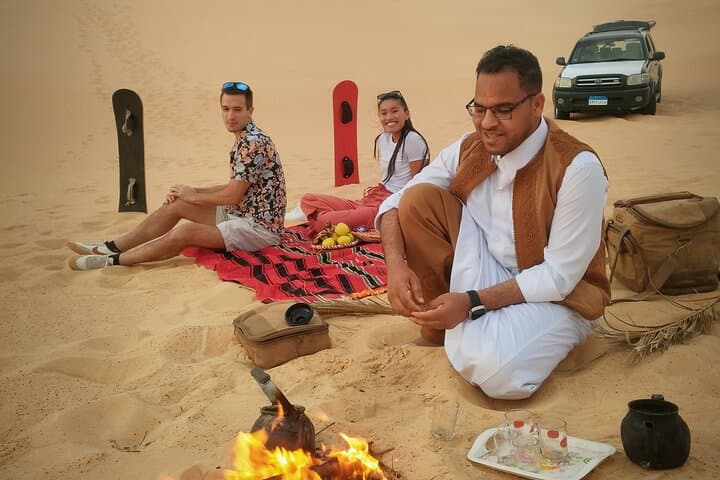
Culturally, Siwa’s Berber-speaking community keeps distinct customs and flavors: minty tea, lemon grass, and dates are staples at roadside stops. Visitors pass thermal springs that feel improbably warm against the sand’s chill and small, salty lakes that collect rainwater in hollows.
Practical guidance: plan on uneven, loose sand underfoot; bring closed-toe shoes and sun protection. The trip typically lasts around three hours and is low in technical demand, but desert temperatures swing fast—arrive hydrated and with a light jacket for after sunset. Respect local customs when visiting camp for dinner and stargazing; lights are minimal so the Milky Way is often spectacular. Leave fossils where found, follow your guide’s route across dunes, and bring a camera with a protective cover — sand gets everywhere.
The advertised duration is about three hours, typically conducted in late afternoon through early evening to catch sunset and stargazing.
No—guides provide basic instruction and sandboarding on soft dunes is low-impact; expect a few short climbs and standing runs.
Yes—guides generally point out shallow thermal pools intended for brief dips; avoid entering if you have open wounds or health concerns and ask your guide first.
Most operators offer pickup from Siwa accommodations or a nearby meeting point—confirm your pickup location when booking.
Windows of Siwa operates guided outdoor trips and adventures with an emphasis on safety, stewardship, and memorable experiences.
The day begins with the low sun striking the dunes gold as a 4x4 eases away from the palm-ringed Siwa town and into the wide Western Desert. Wind-sculpted ridges rise and fall like liquid stone; the vehicle sprays sand in short bursts while the guide stops for panoramic frames and a quick lesson for first-time sandboarders.
The day begins with the low sun striking the dunes gold as a 4x4 eases away from the palm-ringed Siwa town and into the wide Western Desert. Wind-sculpted ridges rise and fall like liquid stone; the vehicle sprays sand in short bursts while the guide stops for panoramic frames and a quick lesson for first-time sandboarders.
Siwa Oasis has a layered history: a Greek-era oracle where Alexander the Great sought counsel, and pharaonic-era trade routes that made the oasis a cultural crossroads. Geologically the area is an inland depression of limestone and ancient seabed — fossils in the desert date back tens of millions of years and show when this basin hosted shallow seas.
Culturally, Siwa’s Berber-speaking community keeps distinct customs and flavors: minty tea, lemon grass, and dates are staples at roadside stops. Visitors pass thermal springs that feel improbably warm against the sand’s chill and small, salty lakes that collect rainwater in hollows.
Practical guidance: plan on uneven, loose sand underfoot; bring closed-toe shoes and sun protection. The trip typically lasts around three hours and is low in technical demand, but desert temperatures swing fast—arrive hydrated and with a light jacket for after sunset. Respect local customs when visiting camp for dinner and stargazing; lights are minimal so the Milky Way is often spectacular. Leave fossils where found, follow your guide’s route across dunes, and bring a camera with a protective cover — sand gets everywhere.