THE ADVENTURE COLLECTIVE® · Independent discovery and booking for outdoor travel

A quick desert escape from Cairo to Siwa packs salt lakes, a desert safari and the Oracle Temple into 48 hours. Expect long transfers, palm-fringed springs, and local Siwi culture opening up behind timeworn mudbrick walls.
A quick desert escape from Cairo to Siwa packs salt lakes, a desert safari and the Oracle Temple into 48 hours. Expect long transfers, palm-fringed springs, and local Siwi culture opening up behind timeworn mudbrick walls.
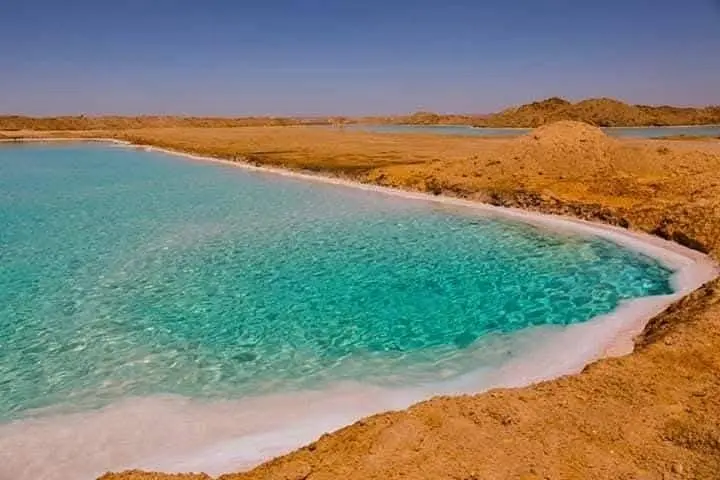
You leave the city before dawn and the highway gives way to a wide, silent desert. By late afternoon the bus pulls into Siwa and palms appear like a green promise; salt flats gleam and dunes roll away toward the horizon. The air shifts from asphalt heat to an arid, mineral scent—this is a landscape that both preserves and tests history.
Verified experiences and guided adventures in the surrounding area.
Operated by Egyptwonder Tours · Siwa, Matrouh Governorate
You leave the city before dawn and the highway gives way to a wide, silent desert. By late afternoon the bus pulls into Siwa and palms appear like a green promise; salt flats gleam and dunes roll away toward the horizon. The air shifts from asphalt heat to an arid, mineral scent—this is a landscape that both preserves and tests history.
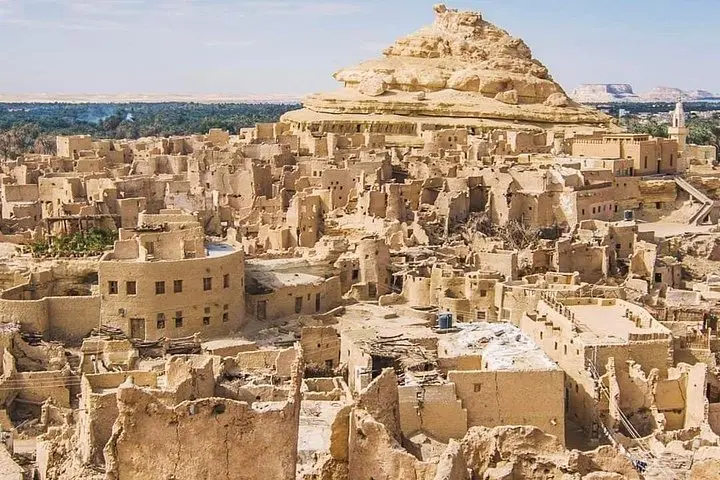
Siwa sits on an aquifer-fed island in Egypt’s Western Desert. The town grew around date palms and freshwater springs; its mudbrick Shali fortress, built with kershef (salt and clay), bears weathered scars from seasonal rains. Nearby the Temple of Amun (the so-called Oracle Temple) ties Siwa to classical history—Alexander the Great is said to have consulted it—and scattered Pharaonic and Greco-Roman tombs punctuate the sandstone of the Mountain of the Dead.
Geology here is simple and dramatic: saline depressions, springs, and the Great Sand Sea where wind sculpts dunes into sudden ridgelines. Siwi culture is distinctly Berber—people speak Siwi Arabic and Amazigh dialects, and home-cooked tagines and date-based sweets underline a hospitality shaped by scarcity.
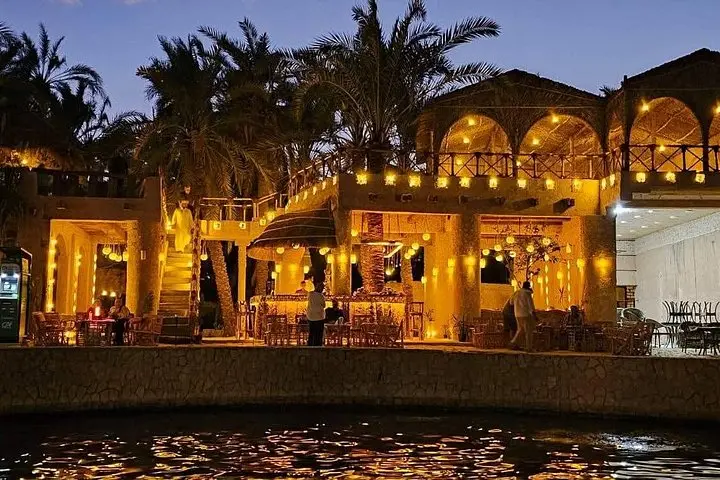
Practical guidance: the trip involves long vehicle transfers (expect an 8–10 hour drive each way by bus), short walks on mixed terrain, and a desert safari over sand. Bring high-SPF sunscreen, a brim hat, sturdy closed shoes for dunes and ruins, and 2–3 liters of water per day. Respect fragile spring-fed ecosystems—avoid soaps in springs—and ask before photographing private family compounds. Plan visits in spring or autumn for cooler days and golden light at Fatnas (Fantasy) Island and the Mountain of the Dead.
Expect about 8–10 hours by road or scheduled bus; the tour typically includes the bus ticket and local pickup in Cairo or Giza.
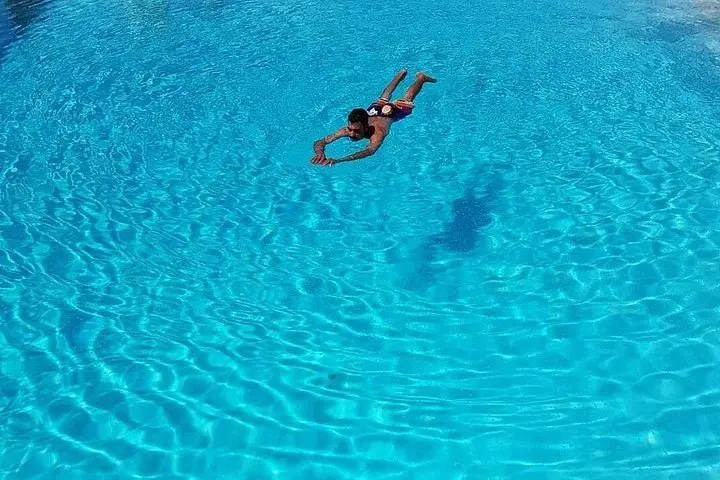
Yes—Salt Lakes and Cleopatra Spring are swim-friendly; be mindful that highly saline water can irritate skin and wounds, and avoid using soaps in natural springs.
The itinerary is described as suitable for all fitness levels with short walks; however, long bus transfers and some uneven surfaces at ruins may be challenging for very young children or those with limited mobility.
Bring some Egyptian pounds for small purchases, tips, and local souvenirs—remote shops and taxi drivers may not accept cards.
Egyptwonder Tours operates guided outdoor trips and adventures with an emphasis on safety, stewardship, and memorable experiences.
You leave the city before dawn and the highway gives way to a wide, silent desert. By late afternoon the bus pulls into Siwa and palms appear like a green promise; salt flats gleam and dunes roll away toward the horizon. The air shifts from asphalt heat to an arid, mineral scent—this is a landscape that both preserves and tests history.
You leave the city before dawn and the highway gives way to a wide, silent desert. By late afternoon the bus pulls into Siwa and palms appear like a green promise; salt flats gleam and dunes roll away toward the horizon. The air shifts from asphalt heat to an arid, mineral scent—this is a landscape that both preserves and tests history.
Siwa sits on an aquifer-fed island in Egypt’s Western Desert. The town grew around date palms and freshwater springs; its mudbrick Shali fortress, built with kershef (salt and clay), bears weathered scars from seasonal rains. Nearby the Temple of Amun (the so-called Oracle Temple) ties Siwa to classical history—Alexander the Great is said to have consulted it—and scattered Pharaonic and Greco-Roman tombs punctuate the sandstone of the Mountain of the Dead.
Geology here is simple and dramatic: saline depressions, springs, and the Great Sand Sea where wind sculpts dunes into sudden ridgelines. Siwi culture is distinctly Berber—people speak Siwi Arabic and Amazigh dialects, and home-cooked tagines and date-based sweets underline a hospitality shaped by scarcity.
Practical guidance: the trip involves long vehicle transfers (expect an 8–10 hour drive each way by bus), short walks on mixed terrain, and a desert safari over sand. Bring high-SPF sunscreen, a brim hat, sturdy closed shoes for dunes and ruins, and 2–3 liters of water per day. Respect fragile spring-fed ecosystems—avoid soaps in springs—and ask before photographing private family compounds. Plan visits in spring or autumn for cooler days and golden light at Fatnas (Fantasy) Island and the Mountain of the Dead.