THE ADVENTURE COLLECTIVE® · Independent discovery and booking for outdoor travel

Travel nine hours west of Cairo to find Siwa’s palm-lined springs, sand-sculpted ridges and the Temple of the Oracle. This three-day all-inclusive tour pairs desert camping with archaeological visits and therapeutic hot springs—ideal for travelers seeking cultural depth and raw landscapes.
Travel nine hours west of Cairo to find Siwa’s palm-lined springs, sand-sculpted ridges and the Temple of the Oracle. This three-day all-inclusive tour pairs desert camping with archaeological visits and therapeutic hot springs—ideal for travelers seeking cultural depth and raw landscapes.
Dawn arrives cool and taut over endless sands as your vehicle slips away from Cairo and the highway gives up its authority to the desert.
You arrive in Siwa to palms, salt flats, and the low, folded silhouette of the Mountain of the Dead—an abrupt, quiet geography that frames three days of slow exploration and surprising intimacy with the land.
Verified experiences and guided adventures in the surrounding area.
Operated by Bastet Travel · Siwa Oasis, Matrouh Governorate
Dawn arrives cool and taut over endless sands as your vehicle slips away from Cairo and the highway gives up its authority to the desert.
You arrive in Siwa to palms, salt flats, and the low, folded silhouette of the Mountain of the Dead—an abrupt, quiet geography that frames three days of slow exploration and surprising intimacy with the land.
Siwa sits on an isolated aquifer in Egypt’s Western Desert; its olive groves and date palms are sustained by ancient spring systems that created a human refuge for millennia. The Oracle Temple of Amun here once affirmed Alexander the Great’s rule, and the Shali Fortress—an eroded mud-brick town—speaks to historic strategies of shelter and community.
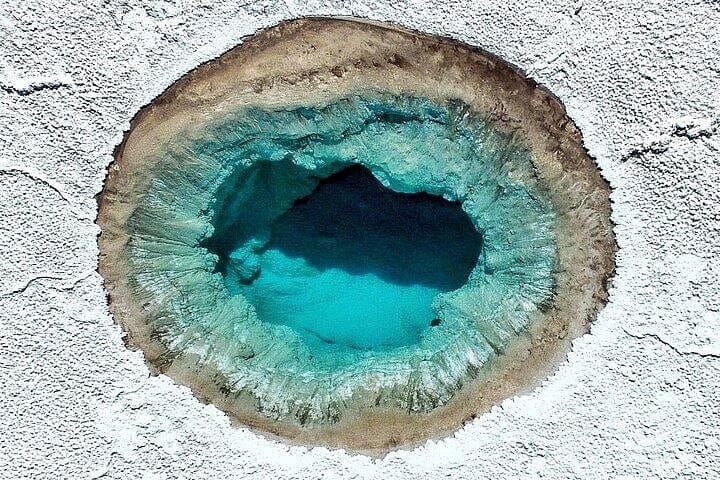
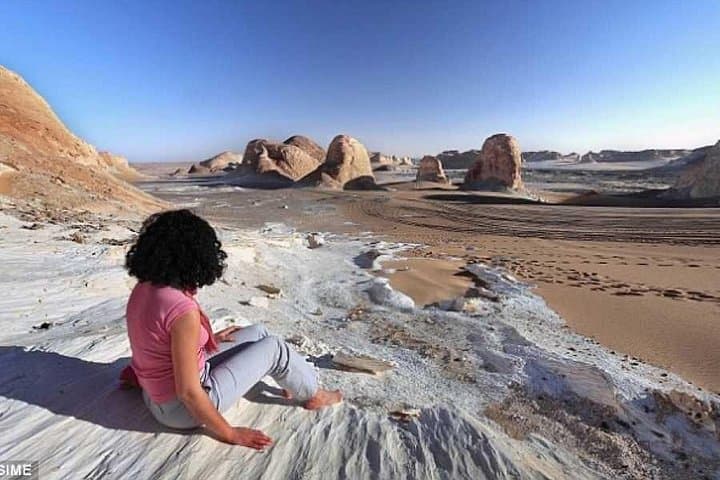
Geologically, Siwa shows salt-crusted flats, sandstone outcrops and dune fields where wind carves sudden ridgelines and mirrors at Lake Siwa create still reflections of sky. Culturally, the oasis remains a living Berber landscape of traditional houses, local handicrafts and small markets.
Practically: expect long drives (about nine hours each way from Cairo), easy to moderate walks at archaeological sites, and a mix of rustic camp accommodations and village stays. Bring layered clothing for large diurnal temperature swings, sturdy shoes for mixed terrain, and sunscreen—the desert is honest about daylight.
Plan water and shade breaks, allow time for slow photography and a respectful approach to private households. The hot springs and shallow lakes are restorative, but fragile: stay on marked trails, avoid litter, and ask before photographing people. With careful planning, Siwa offers concentrated desert culture, quiet landscapes, and history that rewards patient exploration.
Most tours use private vehicle transfers of about nine hours each way; there are occasional domestic flights to nearby towns but organized transfers are easiest and included in this tour.
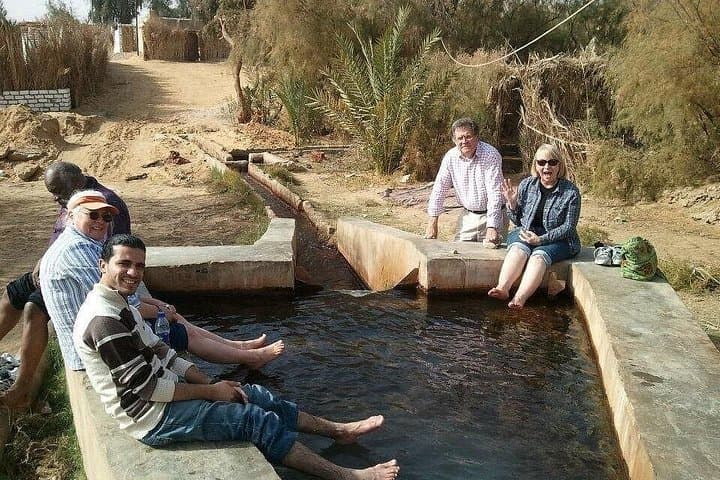
Yes—local springs and Cleopatra’s Pool are shallow and popular, but follow guide instructions, avoid prolonged immersion if you have skin conditions, and rinse after salt-water exposure.
The itinerary is rated easy to moderate; families and older travelers can participate but should be prepared for long drives, rough roads, and walking short distances over uneven ground.
Egyptian pounds (EGP) are used; some vendors accept cards but cash is common. Arabic is the local language; guides and many hosts speak some English.
Bastet Travel operates guided outdoor trips and adventures with an emphasis on safety, stewardship, and memorable experiences.

Dawn arrives cool and taut over endless sands as your vehicle slips away from Cairo and the highway gives up its authority to the desert.
You arrive in Siwa to palms, salt flats, and the low, folded silhouette of the Mountain of the Dead—an abrupt, quiet geography that frames three days of slow exploration and surprising intimacy with the land.
Siwa sits on an isolated aquifer in Egypt’s Western Desert; its olive groves and date palms are sustained by ancient spring systems that created a human refuge for millennia. The Oracle Temple of Amun here once affirmed Alexander the Great’s rule, and the Shali Fortress—an eroded mud-brick town—speaks to historic strategies of shelter and community.
Geologically, Siwa shows salt-crusted flats, sandstone outcrops and dune fields where wind carves sudden ridgelines and mirrors at Lake Siwa create still reflections of sky. Culturally, the oasis remains a living Berber landscape of traditional houses, local handicrafts and small markets.
Practically: expect long drives (about nine hours each way from Cairo), easy to moderate walks at archaeological sites, and a mix of rustic camp accommodations and village stays. Bring layered clothing for large diurnal temperature swings, sturdy shoes for mixed terrain, and sunscreen—the desert is honest about daylight.
Plan water and shade breaks, allow time for slow photography and a respectful approach to private households. The hot springs and shallow lakes are restorative, but fragile: stay on marked trails, avoid litter, and ask before photographing people. With careful planning, Siwa offers concentrated desert culture, quiet landscapes, and history that rewards patient exploration.