THE ADVENTURE COLLECTIVE® · Independent discovery and booking for outdoor travel

Cross the Western Desert to Siwa on a three-day circuit of springs, ruins and sand seas. Expect 4x4 dune runs, hot springs, the Shali fortress and guided cultural stops on a compact schedule.
Cross the Western Desert to Siwa on a three-day circuit of springs, ruins and sand seas. Expect 4x4 dune runs, hot springs, the Shali fortress and guided cultural stops on a compact schedule.
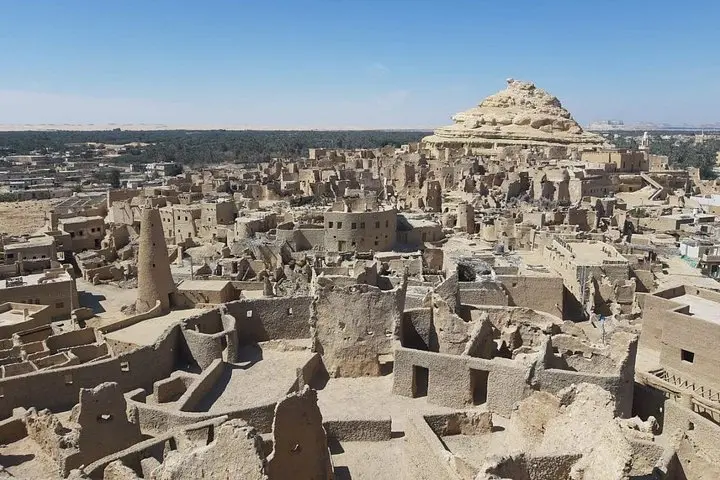
Night bus tires creak as the city dissolves behind you and the Western Desert opens like a shadowed plain. By dawn the horizon is a wash of ochre; palms and freshwater eyes appear like islands, and the town of Siwa—white houses and mud-brick Shali—rises from the sand.
Verified experiences and guided adventures in the surrounding area.
Operated by White desert travel · Siwa, Matrouh Governorate
Night bus tires creak as the city dissolves behind you and the Western Desert opens like a shadowed plain. By dawn the horizon is a wash of ochre; palms and freshwater eyes appear like islands, and the town of Siwa—white houses and mud-brick Shali—rises from the sand.
Siwa sits on an ancient caravan route between Egypt and Libya. Its geology is a mix of wind-sculpted dunes and salt flats atop an aquifer; the springs that fed a temple of Amun drew Alexander the Great here. Local Siwi culture retains Amazigh language threads and unique mud architecture, and the fortress at Shali and the temple ruins are a living record of that heritage.
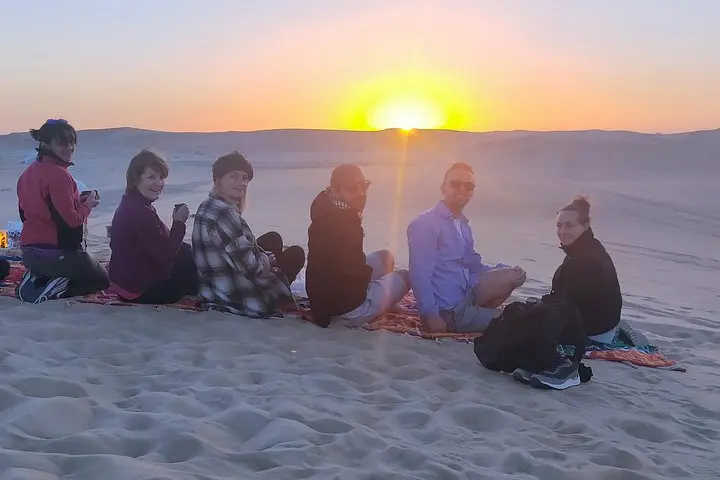
The itinerary balances cultural stops—Cleopatra’s Bath, the oracle temple, small ethnographic museums—with desert motion: a 4x4 crossing of the Great Sand Sea, hot spring dips and sandboarding on Bir Wahed’s dunes. Expect long bus stretches (Cairo–Siwa ~8 hours), short guided walks, and sunset viewpoints that reward the last climb of the day.
Practical notes: the trip moves at a steady pace—bring layered clothing for cold desert nights, sun protection for daytime, and a daypack for springs and ruins. Hydrate before dune sessions; the salt lakes buoy you, but shoes should be ready for salt crusts and hot sand. If you want a quieter experience, ask for early starts to beat midday heat and choose an English-speaking Siwi guide to deepen your cultural context.
Expect roughly 8 hours each way by bus; this tour includes an overnight departure to maximize daytime in Siwa.
Yes — many springs and a well-known salt lake are safe for floating and short swims; bring a towel and rinse off salt after bathing.
The operator notes wheelchair-accessible transportation and surfaces for some sites, but natural terrain like dunes and ruins is not accessible.
The tour includes an English-speaking local guide; you can request a Siwi-speaking guide for deeper cultural context if available.
White desert travel operates guided outdoor trips and adventures with an emphasis on safety, stewardship, and memorable experiences.
Night bus tires creak as the city dissolves behind you and the Western Desert opens like a shadowed plain. By dawn the horizon is a wash of ochre; palms and freshwater eyes appear like islands, and the town of Siwa—white houses and mud-brick Shali—rises from the sand.
Night bus tires creak as the city dissolves behind you and the Western Desert opens like a shadowed plain. By dawn the horizon is a wash of ochre; palms and freshwater eyes appear like islands, and the town of Siwa—white houses and mud-brick Shali—rises from the sand.
Siwa sits on an ancient caravan route between Egypt and Libya. Its geology is a mix of wind-sculpted dunes and salt flats atop an aquifer; the springs that fed a temple of Amun drew Alexander the Great here. Local Siwi culture retains Amazigh language threads and unique mud architecture, and the fortress at Shali and the temple ruins are a living record of that heritage.
The itinerary balances cultural stops—Cleopatra’s Bath, the oracle temple, small ethnographic museums—with desert motion: a 4x4 crossing of the Great Sand Sea, hot spring dips and sandboarding on Bir Wahed’s dunes. Expect long bus stretches (Cairo–Siwa ~8 hours), short guided walks, and sunset viewpoints that reward the last climb of the day.
Practical notes: the trip moves at a steady pace—bring layered clothing for cold desert nights, sun protection for daytime, and a daypack for springs and ruins. Hydrate before dune sessions; the salt lakes buoy you, but shoes should be ready for salt crusts and hot sand. If you want a quieter experience, ask for early starts to beat midday heat and choose an English-speaking Siwi guide to deepen your cultural context.