THE ADVENTURE COLLECTIVE® · Independent discovery and booking for outdoor travel

Leave Cairo behind for three days of palms, springs and sand: swim in Cleopatra’s Spring, explore Shali village and ride into the Great Sand Sea. This private package pairs cultural encounters with off-road desert scenery and easy walking.
Leave Cairo behind for three days of palms, springs and sand: swim in Cleopatra’s Spring, explore Shali village and ride into the Great Sand Sea. This private package pairs cultural encounters with off-road desert scenery and easy walking.
The morning opens before your windshield: Cairo recedes and the desert stretches into an ordered infinity of pale dunes and salt flats. By late afternoon you can feel Siwa’s palms breathing cooler air; the spring pockets glint like small promises in an otherwise austere landscape. Walk the crumbling mud-brick alleys of Shali as late light slants through narrow streets, and hear wind shape the sand into new sculptures overnight.
Verified experiences and guided adventures in the surrounding area.
Operated by Camel Ride at Giza Pyramids · Siwa, Matrouh Governorate
The morning opens before your windshield: Cairo recedes and the desert stretches into an ordered infinity of pale dunes and salt flats. By late afternoon you can feel Siwa’s palms breathing cooler air; the spring pockets glint like small promises in an otherwise austere landscape. Walk the crumbling mud-brick alleys of Shali as late light slants through narrow streets, and hear wind shape the sand into new sculptures overnight.
Siwa sits in Egypt’s western desert, an urban oasis shaped by millennia of human use and by the deep aquifers that feed freshwater springs such as Cleopatra’s Spring. The area carries layers of history — Amazigh (Siwan) culture, Greco-Roman remains around the Temple of the Oracle, and more recent scars and stories from World War II at nearby Alamein. Geologically, the oasis occupies a depression cut into Pleistocene deposits, ringed by the Great Sand Sea to the west.
Expect a practical mix: long, paved transfer from Cairo, short hikes across sandy tracks, a swim in a cool spring, visits to archaeological ruins, a short donkey-cart ride, and an off-road drive into dunes. Bring sun protection, a refillable water bottle, and sturdy shoes that handle sand and village stones. Timing matters — early mornings and late afternoons are best for walks and photography; midday is for shady springs or the hotel’s quiet.
Practicalities: passports and water-heavy packing, modest dress in villages, and a readiness for rough roads on the desert stretches. Respect local customs and minimize plastic — Siwa’s water and palms are finite resources that rely on careful stewardship.
Expect about 7–9 hours by private vehicle depending on traffic and stops; the itinerary includes a WWII museum stop in Alamein en route.
Yes—Cleopatra’s Spring and several fresh-water pools are swimmable; follow local guidance on entry points and hygiene.
The tour is family-friendly but involves long vehicle transfers and some uneven terrain; disclose mobility concerns when booking for tailored pickup and pacing.
Bring Egyptian pounds for local purchases and tips; ATMs in Siwa are limited—carry cash for small restaurants and markets.
Camel Ride at Giza Pyramids operates guided outdoor trips and adventures with an emphasis on safety, stewardship, and memorable experiences.
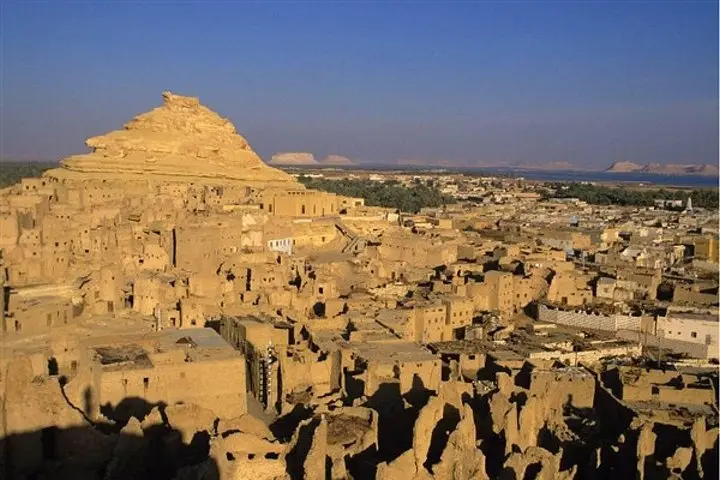
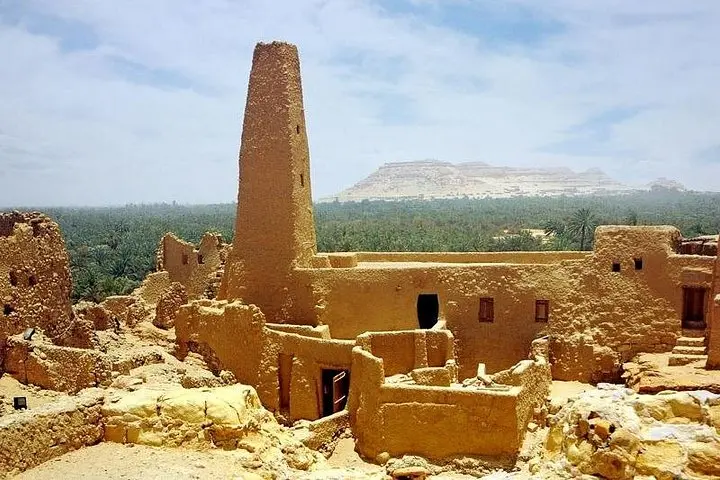
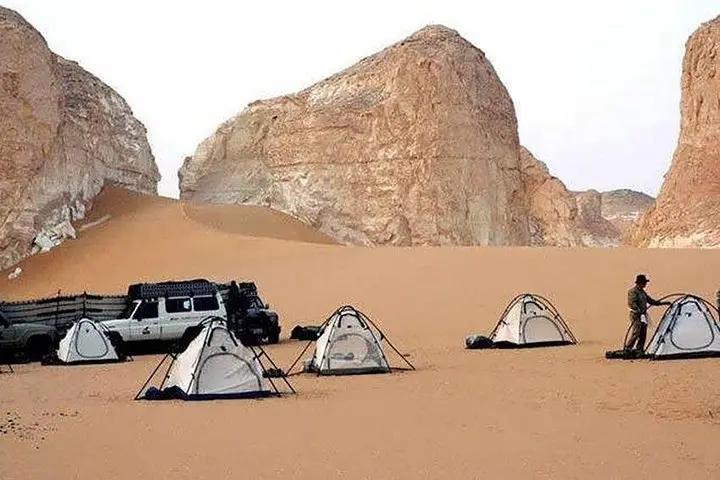
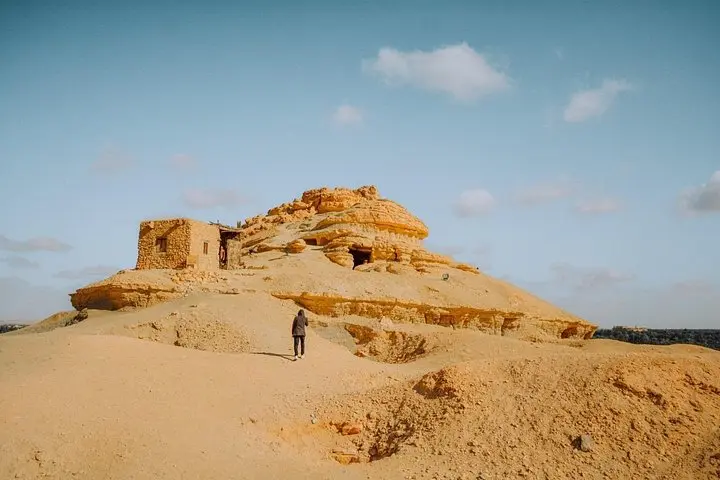
The morning opens before your windshield: Cairo recedes and the desert stretches into an ordered infinity of pale dunes and salt flats. By late afternoon you can feel Siwa’s palms breathing cooler air; the spring pockets glint like small promises in an otherwise austere landscape. Walk the crumbling mud-brick alleys of Shali as late light slants through narrow streets, and hear wind shape the sand into new sculptures overnight.
The morning opens before your windshield: Cairo recedes and the desert stretches into an ordered infinity of pale dunes and salt flats. By late afternoon you can feel Siwa’s palms breathing cooler air; the spring pockets glint like small promises in an otherwise austere landscape. Walk the crumbling mud-brick alleys of Shali as late light slants through narrow streets, and hear wind shape the sand into new sculptures overnight.
Siwa sits in Egypt’s western desert, an urban oasis shaped by millennia of human use and by the deep aquifers that feed freshwater springs such as Cleopatra’s Spring. The area carries layers of history — Amazigh (Siwan) culture, Greco-Roman remains around the Temple of the Oracle, and more recent scars and stories from World War II at nearby Alamein. Geologically, the oasis occupies a depression cut into Pleistocene deposits, ringed by the Great Sand Sea to the west.
Expect a practical mix: long, paved transfer from Cairo, short hikes across sandy tracks, a swim in a cool spring, visits to archaeological ruins, a short donkey-cart ride, and an off-road drive into dunes. Bring sun protection, a refillable water bottle, and sturdy shoes that handle sand and village stones. Timing matters — early mornings and late afternoons are best for walks and photography; midday is for shady springs or the hotel’s quiet.
Practicalities: passports and water-heavy packing, modest dress in villages, and a readiness for rough roads on the desert stretches. Respect local customs and minimize plastic — Siwa’s water and palms are finite resources that rely on careful stewardship.