THE ADVENTURE COLLECTIVE® · Independent discovery and booking for outdoor travel

A private 3-day journey from Cairo into Siwa Oasis combines WWII memorials, the Oracle Temple of Amun, buoyant salt lakes and sand-boarding across the Great Sand Sea. Expect long drives, short hikes, and immersive local culture.
A private 3-day journey from Cairo into Siwa Oasis combines WWII memorials, the Oracle Temple of Amun, buoyant salt lakes and sand-boarding across the Great Sand Sea. Expect long drives, short hikes, and immersive local culture.
You arrive at the edge of an inland sea of sand as the late-afternoon sun draws long shadows across Birket Siwa.
The tour begins with a rolling A/C transfer from Cairo, then moves through the solemn markers of El Alamein before dropping you into the green ring of Siwa Oasis where salt lakes and palm groves push back the desert.
Verified experiences and guided adventures in the surrounding area.
Operated by Book My Egypt Tours · Siwa, Matrouh Governorate
You arrive at the edge of an inland sea of sand as the late-afternoon sun draws long shadows across Birket Siwa.
The tour begins with a rolling A/C transfer from Cairo, then moves through the solemn markers of El Alamein before dropping you into the green ring of Siwa Oasis where salt lakes and palm groves push back the desert.
History sits on every rise: the Oracle Temple of Amun where Alexander sought answers, mud-brick fingers of Shali Fort that once sheltered whole communities, and tombs cut into the flanks of the Mountain of the Dead.
Geology is obvious—the Great Sand Sea is a living dune field created by millennia of wind, while the salt pans and springs are remnants of ancient lake systems that still press mineral richness into the water.
Culturally, Siwa carries a strong Amazigh (Siwan) identity: traditions of architecture, food and tea service feel personal and place-based. Natural features behave like guides here—the salt lakes buoy you, the dunes dare you to run them, and the sunset turns the desert into a shifting map.
Practical guidance: expect long drives (6–8 hours one way from Cairo), light walking at ruins, and active dune time by 4x4. Bring a sun hat, SPF, plenty of freshwater, and a small towel for post-salt swims. Rinse after the salt lakes and avoid getting salt in your eyes. Modest clothing is recommended in villages; carry local currency for market purchases and tips. If sandboarding, use closed-toe shoes and check vehicle timings—the best light for photos is early morning and late afternoon.
Siwa is roughly 700–750 km from Cairo; expect about 8–10 hours of driving one way depending on stops and traffic.
Yes—many joins in the salt lakes and Cleopatra's Pool (Spring of Juba) are safe for floating; avoid getting salt in your eyes and rinse with fresh water afterward.
The tour includes required entry fees and two nights’ accommodation on a half-board basis, though some specific sites or optional activities may require small extra fees.
The itinerary is physically easy but not recommended for pregnant travelers or those with significant cardiovascular or spinal issues; discuss specifics with the operator.
Book My Egypt Tours operates guided outdoor trips and adventures with an emphasis on safety, stewardship, and memorable experiences.
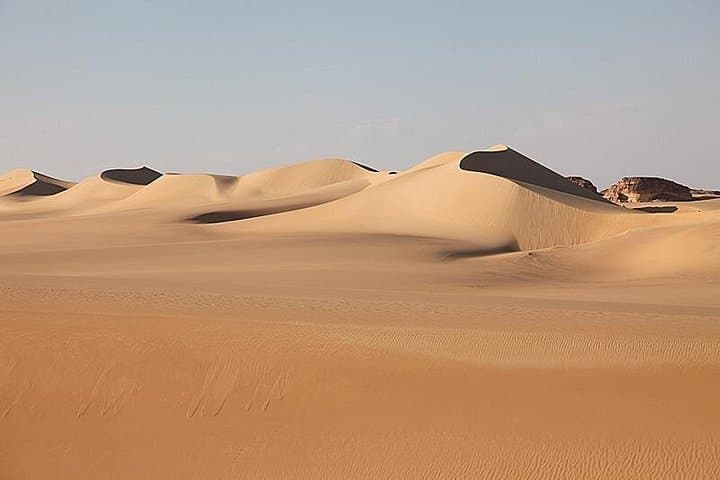


You arrive at the edge of an inland sea of sand as the late-afternoon sun draws long shadows across Birket Siwa.
The tour begins with a rolling A/C transfer from Cairo, then moves through the solemn markers of El Alamein before dropping you into the green ring of Siwa Oasis where salt lakes and palm groves push back the desert.
History sits on every rise: the Oracle Temple of Amun where Alexander sought answers, mud-brick fingers of Shali Fort that once sheltered whole communities, and tombs cut into the flanks of the Mountain of the Dead.
Geology is obvious—the Great Sand Sea is a living dune field created by millennia of wind, while the salt pans and springs are remnants of ancient lake systems that still press mineral richness into the water.
Culturally, Siwa carries a strong Amazigh (Siwan) identity: traditions of architecture, food and tea service feel personal and place-based. Natural features behave like guides here—the salt lakes buoy you, the dunes dare you to run them, and the sunset turns the desert into a shifting map.
Practical guidance: expect long drives (6–8 hours one way from Cairo), light walking at ruins, and active dune time by 4x4. Bring a sun hat, SPF, plenty of freshwater, and a small towel for post-salt swims. Rinse after the salt lakes and avoid getting salt in your eyes. Modest clothing is recommended in villages; carry local currency for market purchases and tips. If sandboarding, use closed-toe shoes and check vehicle timings—the best light for photos is early morning and late afternoon.