THE ADVENTURE COLLECTIVE® · Independent discovery and booking for outdoor travel

A compact 5-day escape into Egypt’s Siwa Oasis: 4x4 desert safaris, cold springs, Shali ruins and the Oracle of Amun. Expect cultural walking, dune drives and restorative swims.
A compact 5-day escape into Egypt’s Siwa Oasis: 4x4 desert safaris, cold springs, Shali ruins and the Oracle of Amun. Expect cultural walking, dune drives and restorative swims.
You arrive at dawn with the smell of baked sand and a light wind that seems to be rearranging the dunes as you watch. The road from Cairo narrows into a band of ochre, then the palm ring of Siwa appears—an island of greens and blue springs holding centuries of human stories. By evening the Shali ruins catch the last light; white mud-brick walls throw long, geometric shadows and the desert hush leans in.
Verified experiences and guided adventures in the surrounding area.
Operated by This Is Egypt · Siwa, Matrouh Governorate
You arrive at dawn with the smell of baked sand and a light wind that seems to be rearranging the dunes as you watch. The road from Cairo narrows into a band of ochre, then the palm ring of Siwa appears—an island of greens and blue springs holding centuries of human stories. By evening the Shali ruins catch the last light; white mud-brick walls throw long, geometric shadows and the desert hush leans in.
Siwa’s history spans Pharaonic temples (the Oracle of Amun where Alexander stood), Roman springs and Berber traditions still spoken in the Siwan dialect. Geologically the oasis sits as a fertility pocket where aquifers surface; surrounding dunes are part of Egypt’s Great Sand Sea, and inland fossilized coral and Cambrian-era rock remind you this was once seabed.
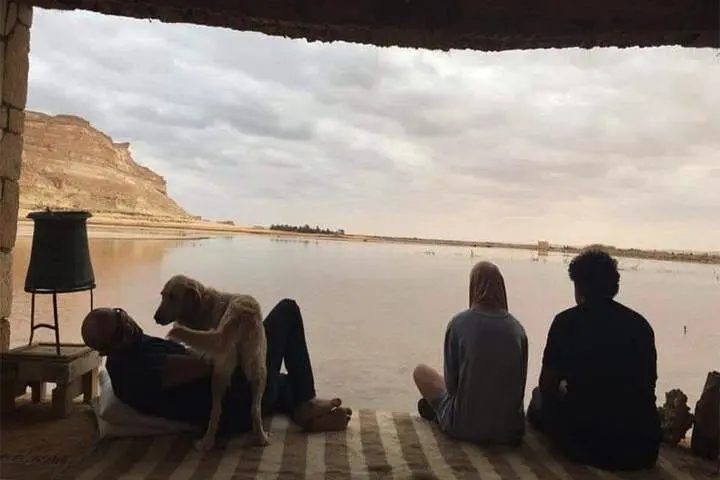
Over five days expect a mix of gentle cultural walking, 4x4 desert driving, short swims in cold springs like Ein Guba, and time on dunes for sand-surfing. Cultural touches include visits to Aghurmi village and local house museums; guides will point out tombs carved into Gabal El Maouta.
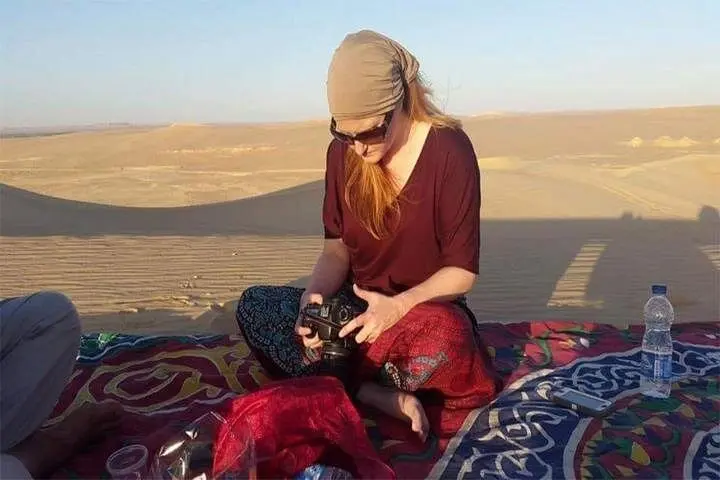
Practical guide: travel light but sun-smart—wide-brim hat, breathable layers, and 3–4 liters of water per day in summer. Vehicles handle the long drives between sites; bring sturdy shoes for uneven ruins and small hikes. Time your desert drives for morning or late afternoon to avoid peak heat and to capture the best light. Respect local norms—ask before photographing homes—and conserve water: these springs support the whole community.
Most tours provide A/C transfers by road; expect roughly 8–10 hours total driving with stops (often via Alamein and Marsa Matrouh).
Yes—this itinerary is rated easy; however long drives and uneven surfaces at sites may be tiring. Plan extra rest and speak to the operator about mobility needs.
Yes—Cleopatra Spring (Ein Guba) and other spring eyes are swimmable; always follow local guidance on safety and water temperature differences.
You’ll need a valid passport; the operator requests a soft copy at least 24 hours before travel to process desert permits and bookings.
This Is Egypt operates guided outdoor trips and adventures with an emphasis on safety, stewardship, and memorable experiences.
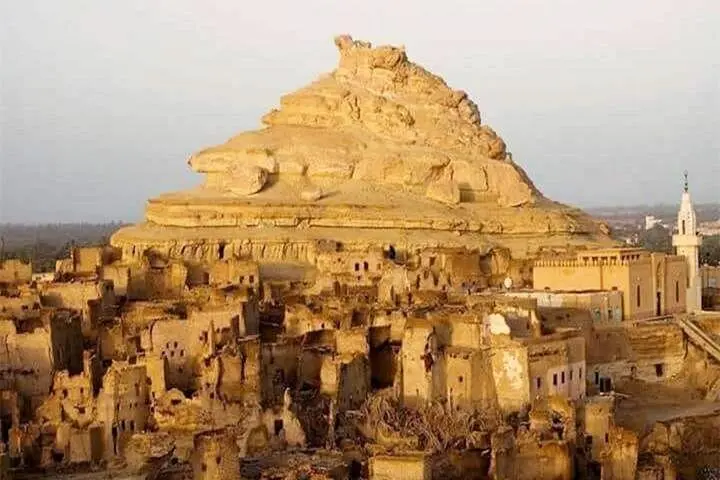
You arrive at dawn with the smell of baked sand and a light wind that seems to be rearranging the dunes as you watch. The road from Cairo narrows into a band of ochre, then the palm ring of Siwa appears—an island of greens and blue springs holding centuries of human stories. By evening the Shali ruins catch the last light; white mud-brick walls throw long, geometric shadows and the desert hush leans in.
You arrive at dawn with the smell of baked sand and a light wind that seems to be rearranging the dunes as you watch. The road from Cairo narrows into a band of ochre, then the palm ring of Siwa appears—an island of greens and blue springs holding centuries of human stories. By evening the Shali ruins catch the last light; white mud-brick walls throw long, geometric shadows and the desert hush leans in.
Siwa’s history spans Pharaonic temples (the Oracle of Amun where Alexander stood), Roman springs and Berber traditions still spoken in the Siwan dialect. Geologically the oasis sits as a fertility pocket where aquifers surface; surrounding dunes are part of Egypt’s Great Sand Sea, and inland fossilized coral and Cambrian-era rock remind you this was once seabed.
Over five days expect a mix of gentle cultural walking, 4x4 desert driving, short swims in cold springs like Ein Guba, and time on dunes for sand-surfing. Cultural touches include visits to Aghurmi village and local house museums; guides will point out tombs carved into Gabal El Maouta.
Practical guide: travel light but sun-smart—wide-brim hat, breathable layers, and 3–4 liters of water per day in summer. Vehicles handle the long drives between sites; bring sturdy shoes for uneven ruins and small hikes. Time your desert drives for morning or late afternoon to avoid peak heat and to capture the best light. Respect local norms—ask before photographing homes—and conserve water: these springs support the whole community.