THE ADVENTURE COLLECTIVE® · Independent discovery and booking for outdoor travel

A six-day journey from Cairo to Siwa that pairs coastal Alexandria history with the raw desert of the Great Sand Sea. Expect ancient temples, salt lakes, hot springs and a 4x4 sunset over dunes.
A six-day journey from Cairo to Siwa that pairs coastal Alexandria history with the raw desert of the Great Sand Sea. Expect ancient temples, salt lakes, hot springs and a 4x4 sunset over dunes.
You arrive at Siwa as the wind redraws the sand—soft ridges rising and falling like a living map. The town's flat-roofed houses and palm-fringed salt lakes sit quiet against the wide desert; the dunes that border the Great Sand Sea dare you to climb for a sunset that turns the sands to copper.
Verified experiences and guided adventures in the surrounding area.
Operated by Deluxe Travel · Siwa, Matrouh
You arrive at Siwa as the wind redraws the sand—soft ridges rising and falling like a living map. The town's flat-roofed houses and palm-fringed salt lakes sit quiet against the wide desert; the dunes that border the Great Sand Sea dare you to climb for a sunset that turns the sands to copper.
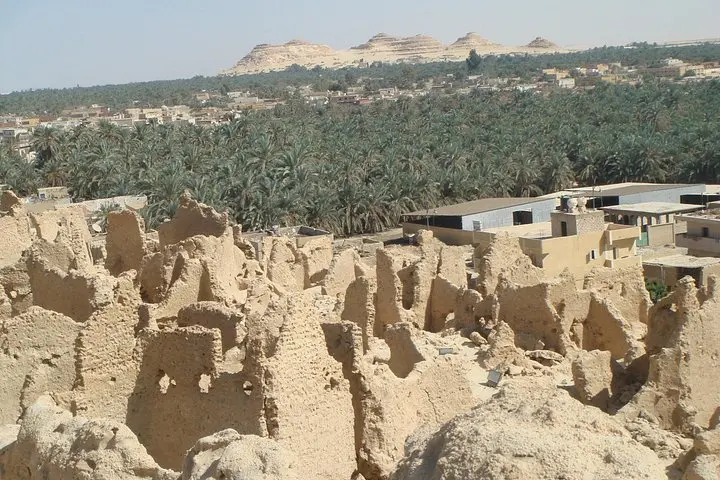
This route traces layers of history: Greco-Roman relics in Alexandria, the oracle of Amun where Alexander sought recognition, and the mudbrick Shali fortress that records centuries of Siwi life. Geologically, Siwa sits in an erosional basin fed by underground springs; the salt lakes and hot springs are surface reminders of the aquifer below. Culturally, the Siwi people maintain a distinct Berber language and traditions—respect for local customs makes a richer visit.
Expect a mix of drives and short walks: long highway legs from Cairo to Alexandria and Marsa Matrouh, then desert roads to Siwa. In Siwa itself you’ll move between compact sites—the Oracle Temple, Cleopatra Spring, Gabal al-Mawta—and take a 4x4 into the dunes for Bir Wahid and Fitnas Island sunsets.
Practical guidance: carry at least 2–3 liters of water per day, sun protection, and footwear suitable for sand and uneven stone. Travel light during dune rides; follow guides’ directions when walking on the old Shali or entering springs. Timing matters—late afternoon and early morning offer cooler temperatures, better light for photos, and calmer winds. Respect fragile desert vegetation and avoid driving off marked tracks to protect the aquifer and archaeological sites.
Fall through spring (October–April) offers milder temperatures; summer is very hot and best for travelers used to high heat.
The itinerary involves long drives and dune walks; families with active children or seniors in good health can participate but should check vehicle comfort and mobility needs.
Yes—local guides provide history, access to sites like the Oracle Temple, and safe navigation in the dunes and around fragile springs.
Egyptian pounds (EGP) are standard; Arabic is the primary language, though English is commonly spoken in tourism services.
Deluxe Travel operates guided outdoor trips and adventures with an emphasis on safety, stewardship, and memorable experiences.
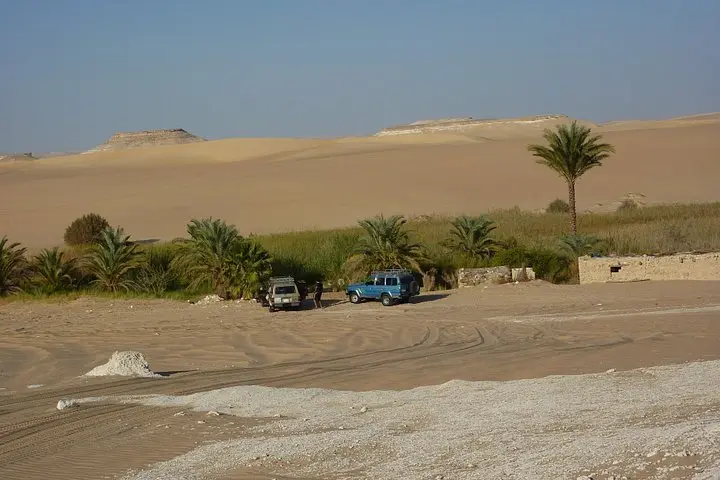
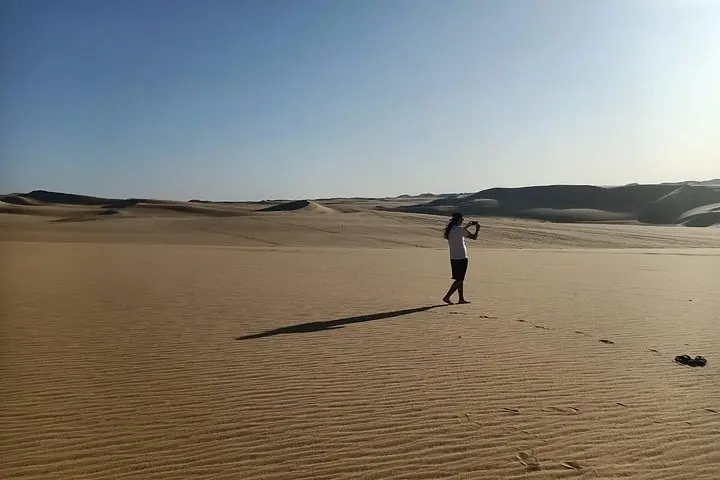
You arrive at Siwa as the wind redraws the sand—soft ridges rising and falling like a living map. The town's flat-roofed houses and palm-fringed salt lakes sit quiet against the wide desert; the dunes that border the Great Sand Sea dare you to climb for a sunset that turns the sands to copper.
You arrive at Siwa as the wind redraws the sand—soft ridges rising and falling like a living map. The town's flat-roofed houses and palm-fringed salt lakes sit quiet against the wide desert; the dunes that border the Great Sand Sea dare you to climb for a sunset that turns the sands to copper.
This route traces layers of history: Greco-Roman relics in Alexandria, the oracle of Amun where Alexander sought recognition, and the mudbrick Shali fortress that records centuries of Siwi life. Geologically, Siwa sits in an erosional basin fed by underground springs; the salt lakes and hot springs are surface reminders of the aquifer below. Culturally, the Siwi people maintain a distinct Berber language and traditions—respect for local customs makes a richer visit.
Expect a mix of drives and short walks: long highway legs from Cairo to Alexandria and Marsa Matrouh, then desert roads to Siwa. In Siwa itself you’ll move between compact sites—the Oracle Temple, Cleopatra Spring, Gabal al-Mawta—and take a 4x4 into the dunes for Bir Wahid and Fitnas Island sunsets.
Practical guidance: carry at least 2–3 liters of water per day, sun protection, and footwear suitable for sand and uneven stone. Travel light during dune rides; follow guides’ directions when walking on the old Shali or entering springs. Timing matters—late afternoon and early morning offer cooler temperatures, better light for photos, and calmer winds. Respect fragile desert vegetation and avoid driving off marked tracks to protect the aquifer and archaeological sites.