THE ADVENTURE COLLECTIVE® · Independent discovery and booking for outdoor travel

From Taj sunrise to Tibetan‑flagged ridgelines, this six‑day circuit pairs India’s Mughal monuments with northern Himalayan air. Expect long drives, an overnight train, sacred sites and short mountain walks—packed into a practical, culture‑forward itinerary.
From Taj sunrise to Tibetan‑flagged ridgelines, this six‑day circuit pairs India’s Mughal monuments with northern Himalayan air. Expect long drives, an overnight train, sacred sites and short mountain walks—packed into a practical, culture‑forward itinerary.
Dawn across the Yamuna plain throws pale gold over the Taj’s marble face, and the tour begins with that fragile, unforgettable hour. Travelers move from Delhi’s broad boulevards to Agra’s Mughal monuments, ride an overnight train to Amritsar’s ceremonial border, then climb into the pine-scented foothills of Dharamshala where Tibetan prayer flags flicker in cool air.
Verified experiences and guided adventures in the surrounding area.
Operated by Kohinoor Holidays · New Delhi, Delhi
Dawn across the Yamuna plain throws pale gold over the Taj’s marble face, and the tour begins with that fragile, unforgettable hour. Travelers move from Delhi’s broad boulevards to Agra’s Mughal monuments, ride an overnight train to Amritsar’s ceremonial border, then climb into the pine-scented foothills of Dharamshala where Tibetan prayer flags flicker in cool air.
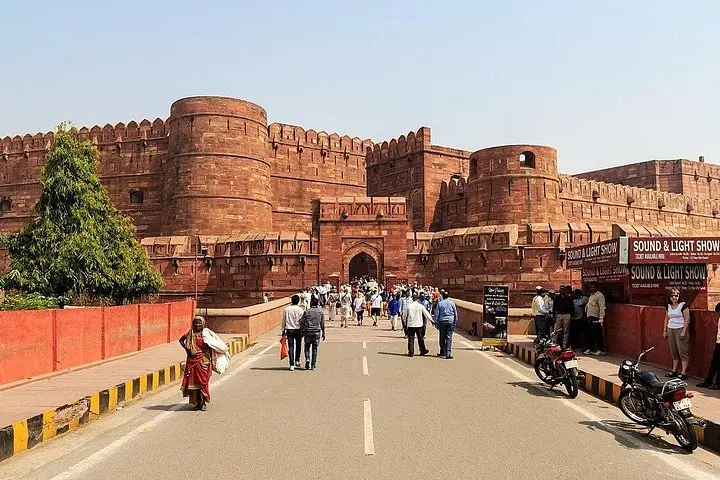
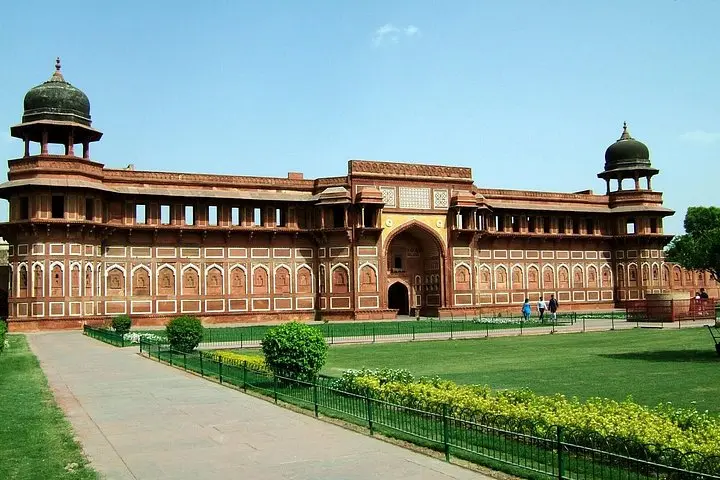
This route traces centuries of history: the Taj Mahal and Agra Fort from the high Mughal era, the grim memory of Jallianwala Bagh, and the modern Tibetan cultural presence around McLeod Ganj after 1959. Geologically the trip moves from the flat Indo‑Gangetic plain up into the Lower Himalaya—expect a clear change in soil, vegetation and temperature as elevation rises to roughly 1,400–1,700 m around Dharamshala.
Locals share language in Punjabi, Hindi and Tibetan dialects; communal langar at the Golden Temple is both spiritual practice and practical hospitality. Practicalities: Delhi–Agra is a 3–4 hour expressway drive (≈230 km); Agra to Amritsar by overnight train is commonly 10–12 hours; Amritsar to Dharamshala is a roughly 5–6 hour drive (≈200 km); Kangra (Dharamshala) flights to Delhi are about 1–1.5 hours.
Pack layers for cool mountain evenings, sturdy shoes for cobbled forts and short hikes, and a small daypack for sunrise visits. Respect religious sites with covered shoulders and shoes removed where required. Carry bottled water, photocopies of travel documents, and a compact rain layer during monsoon months. Plan Taj visits early to avoid heat and crowds, and allow extra time for winter fog or festival traffic—this circuit balances architectural spectacle with short, restorative outdoor stretches in the hills.
Most foreign nationals require an Indian visa (e‑Visa available for many countries); check current requirements and apply before travel.
The Taj opens early for sunrise visits except on Fridays; book tickets in advance and confirm opening times for your date.
Cover shoulders and legs, remove shoes, and wear a headscarf (available at the temple) as a sign of respect.
Dharamshala is around 1,400–1,700 m—altitude effects are mild for most visitors, but allow gentle pacing on arrival if you’re sensitive to elevation.
Kohinoor Holidays operates guided outdoor trips and adventures with an emphasis on safety, stewardship, and memorable experiences.
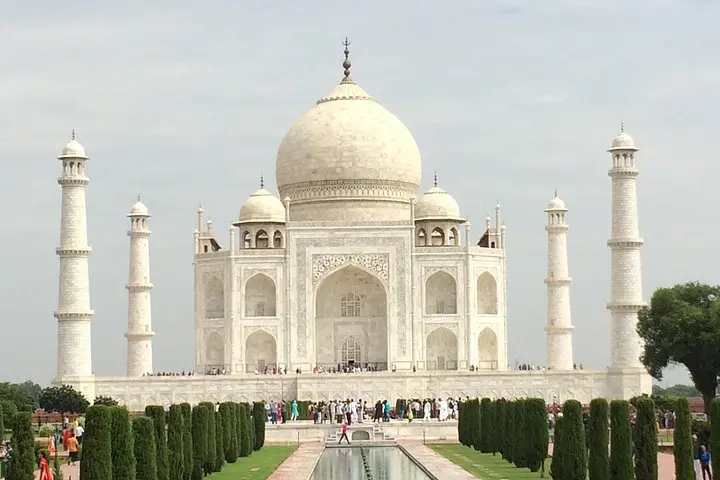
Dawn across the Yamuna plain throws pale gold over the Taj’s marble face, and the tour begins with that fragile, unforgettable hour. Travelers move from Delhi’s broad boulevards to Agra’s Mughal monuments, ride an overnight train to Amritsar’s ceremonial border, then climb into the pine-scented foothills of Dharamshala where Tibetan prayer flags flicker in cool air.
Dawn across the Yamuna plain throws pale gold over the Taj’s marble face, and the tour begins with that fragile, unforgettable hour. Travelers move from Delhi’s broad boulevards to Agra’s Mughal monuments, ride an overnight train to Amritsar’s ceremonial border, then climb into the pine-scented foothills of Dharamshala where Tibetan prayer flags flicker in cool air.
This route traces centuries of history: the Taj Mahal and Agra Fort from the high Mughal era, the grim memory of Jallianwala Bagh, and the modern Tibetan cultural presence around McLeod Ganj after 1959. Geologically the trip moves from the flat Indo‑Gangetic plain up into the Lower Himalaya—expect a clear change in soil, vegetation and temperature as elevation rises to roughly 1,400–1,700 m around Dharamshala.
Locals share language in Punjabi, Hindi and Tibetan dialects; communal langar at the Golden Temple is both spiritual practice and practical hospitality. Practicalities: Delhi–Agra is a 3–4 hour expressway drive (≈230 km); Agra to Amritsar by overnight train is commonly 10–12 hours; Amritsar to Dharamshala is a roughly 5–6 hour drive (≈200 km); Kangra (Dharamshala) flights to Delhi are about 1–1.5 hours.
Pack layers for cool mountain evenings, sturdy shoes for cobbled forts and short hikes, and a small daypack for sunrise visits. Respect religious sites with covered shoulders and shoes removed where required. Carry bottled water, photocopies of travel documents, and a compact rain layer during monsoon months. Plan Taj visits early to avoid heat and crowds, and allow extra time for winter fog or festival traffic—this circuit balances architectural spectacle with short, restorative outdoor stretches in the hills.