THE ADVENTURE COLLECTIVE® · Independent discovery and booking for outdoor travel

Move through rainforest to moorland to glacier in six days on the Marangu Route—Kilimanjaro’s oldest hut trail. This itinerary adds an acclimatization day to increase summit odds and pairs practical logistics with an unforgettable midnight push to Uhuru Peak.
Move through rainforest to moorland to glacier in six days on the Marangu Route—Kilimanjaro’s oldest hut trail. This itinerary adds an acclimatization day to increase summit odds and pairs practical logistics with an unforgettable midnight push to Uhuru Peak.
The night before the climb, Moshi hums quietly at the edge of the plains, lanterns and diesel generators throwing long shadows across the guesthouses. By dawn a land cruiser pulls away from town and the foothills rise like a slow secret: banana plantations, coffee bushes, then the rainforest swallowing the road. On the first switchback the mountain announces itself fully—clouds flock to the slopes, and the trail underfoot becomes a ribbon of roots and rain-soft earth leading to Mandara Hut.
Verified experiences and guided adventures in the surrounding area.
Operated by MORAKA AFRICA SAFARIS · Moshi, Kilimanjaro Region
The night before the climb, Moshi hums quietly at the edge of the plains, lanterns and diesel generators throwing long shadows across the guesthouses. By dawn a land cruiser pulls away from town and the foothills rise like a slow secret: banana plantations, coffee bushes, then the rainforest swallowing the road. On the first switchback the mountain announces itself fully—clouds flock to the slopes, and the trail underfoot becomes a ribbon of roots and rain-soft earth leading to Mandara Hut.
The Marangu route is one of the oldest paths up Kilimanjaro and one of the few that uses communal huts. Each day moves you through a new climate band: montane forest dripping with lichen, moorland of giant groundsels and heathers, a stark alpine desert, and finally the crater rim of Kibo where glaciers dare the thin air. The route’s human history is braided with Maasai grazing on the lower flanks and the first European explorers who mapped the rifts and peaks. Geologically, Kilimanjaro is a dormant stratovolcano—Kibo the summit cone, Mawenzi a jagged satellite—rising nearly six vertical kilometers from the surrounding plains.
The itinerary here deliberately adds an extra acclimatization day at Horombo Hut, a practical advantage: park statistics show summit odds climb measurably with a slower profile. Expect steady gains most days—roughly 800–1,100 m of climbing on approach days—with sections of loose scree above Kibo where each step requires mindful placement. At midnight on summit push, the trail becomes a ribbon of headlamps; the final hours are cold, thin, and often wind-chilled, but sunrise from Uhuru Peak slices across the Rift Valley and more than justifies the effort.
Practical pointers: hikers should budget for roughly 5–8 hours of walking on main approach days and a 12–16 hour summit round trip from Kibo Hut (overnight push included). Huts provide mattresses and blankets and run on limited solar lighting—bring a warm sleeping liner. Water is supplied but carrying a 2–3 liter hydration system and purification tablets is prudent. Footwear should be broken-in, high-traction boots; gaiters help on scree.
Logistics: pickup is typically in Arusha or Moshi; group size is small and guided, with all meals included. Medical considerations—altitude sickness, cardiovascular restrictions, and pregnancy—are noted by operators; travel insurance and a copy of evacuation procedures are recommended. Time your climb in the drier months (January–March, June–October) for the best summit weather, and plan for flexibility: Kilimanjaro’s weather can shift quickly, and acclimatization is the single most important variable for success.
Marangu is technically straightforward with gradual trails and hut accommodation, but it remains physically demanding due to altitude; the extra acclimatization day here improves success rates.
No technical climbing gear is required on the Marangu route—no ropes or crampons for the normal season—but warm, high-altitude clothing and good boots are essential.
Huts offer communal dormitories with mattresses and blankets, basic solar lighting, and pit toilets; bring a warm sleeping liner for added insulation.
The drier months—January–March and June–October—offer more stable conditions and clearer summit views; short rains in November and heavy rains in April–May make trails muddier.
Success depends on fitness, acclimatization, weather, and team pacing; adding the extra acclimatization day increases summit odds by an estimated 20% according to park data.
Fit beginners can attempt it with proper preparation, the six-day profile, and by heeding guide advice; however, pre-trip aerobic training and attention to altitude symptoms are crucial.
MORAKA AFRICA SAFARIS operates guided outdoor trips and adventures with an emphasis on safety, stewardship, and memorable experiences.
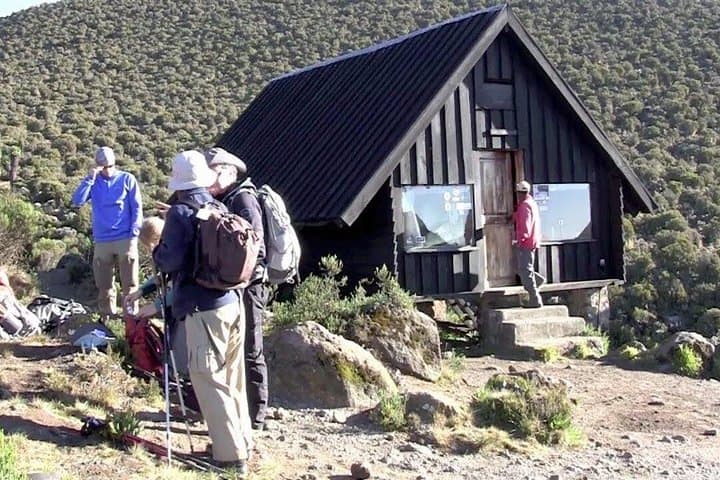
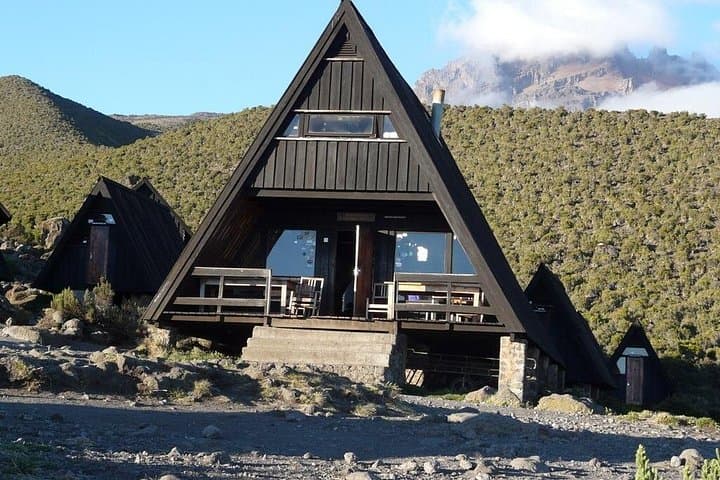
The night before the climb, Moshi hums quietly at the edge of the plains, lanterns and diesel generators throwing long shadows across the guesthouses. By dawn a land cruiser pulls away from town and the foothills rise like a slow secret: banana plantations, coffee bushes, then the rainforest swallowing the road. On the first switchback the mountain announces itself fully—clouds flock to the slopes, and the trail underfoot becomes a ribbon of roots and rain-soft earth leading to Mandara Hut.
The night before the climb, Moshi hums quietly at the edge of the plains, lanterns and diesel generators throwing long shadows across the guesthouses. By dawn a land cruiser pulls away from town and the foothills rise like a slow secret: banana plantations, coffee bushes, then the rainforest swallowing the road. On the first switchback the mountain announces itself fully—clouds flock to the slopes, and the trail underfoot becomes a ribbon of roots and rain-soft earth leading to Mandara Hut.
The Marangu route is one of the oldest paths up Kilimanjaro and one of the few that uses communal huts. Each day moves you through a new climate band: montane forest dripping with lichen, moorland of giant groundsels and heathers, a stark alpine desert, and finally the crater rim of Kibo where glaciers dare the thin air. The route’s human history is braided with Maasai grazing on the lower flanks and the first European explorers who mapped the rifts and peaks. Geologically, Kilimanjaro is a dormant stratovolcano—Kibo the summit cone, Mawenzi a jagged satellite—rising nearly six vertical kilometers from the surrounding plains.
The itinerary here deliberately adds an extra acclimatization day at Horombo Hut, a practical advantage: park statistics show summit odds climb measurably with a slower profile. Expect steady gains most days—roughly 800–1,100 m of climbing on approach days—with sections of loose scree above Kibo where each step requires mindful placement. At midnight on summit push, the trail becomes a ribbon of headlamps; the final hours are cold, thin, and often wind-chilled, but sunrise from Uhuru Peak slices across the Rift Valley and more than justifies the effort.
Practical pointers: hikers should budget for roughly 5–8 hours of walking on main approach days and a 12–16 hour summit round trip from Kibo Hut (overnight push included). Huts provide mattresses and blankets and run on limited solar lighting—bring a warm sleeping liner. Water is supplied but carrying a 2–3 liter hydration system and purification tablets is prudent. Footwear should be broken-in, high-traction boots; gaiters help on scree.
Logistics: pickup is typically in Arusha or Moshi; group size is small and guided, with all meals included. Medical considerations—altitude sickness, cardiovascular restrictions, and pregnancy—are noted by operators; travel insurance and a copy of evacuation procedures are recommended. Time your climb in the drier months (January–March, June–October) for the best summit weather, and plan for flexibility: Kilimanjaro’s weather can shift quickly, and acclimatization is the single most important variable for success.